Buying a property in New York City can be one of the biggest financial decisions you ever make. A building may look structurally sound during a walk-through, but hidden problems inside the plumbing system can create major repair costs after closing. In 2026, more buyers are paying attention to water testing before signing contracts because aging infrastructure, old service lines, and plumbing contamination risks continue to affect thousands of NYC buildings.
For buyers investing in brownstones, apartment buildings, mixed-use properties, or older residential homes, professional water testing has become an essential step during due diligence. A single water quality issue can lead to expensive pipe replacements, tenant complaints, filtration upgrades, health concerns, and even compliance problems.
Understanding why lead testing matters for NYC properties is critical for any serious buyer. This guide explains why water testing matters before purchasing an NYC building, what contaminants are commonly found, and how drinking water testing can help buyers avoid costly surprises.
Why Water Testing Matters in NYC Real Estate
New York City is known for having one of the most heavily monitored municipal water systems in the United States. However, the quality of water entering a building is not always the same as the quality coming out of the tap.
Many NYC buildings still contain aging plumbing systems that may introduce contaminants after the water enters the property. Buildings constructed before the late 1980s are especially vulnerable because older pipes, fixtures, solder, and service lines may contain materials now considered unsafe.
According to the NYC Department of Environmental Protection — Lead and Drinking Water, while NYC’s water is delivered through lead-free aqueducts, lead can still enter the supply through internal plumbing inside private buildings, making individual property testing essential.
A professional water testing process can reveal hidden concerns such as:
- Lead contamination
- Corroded plumbing systems
- Elevated copper levels
- Sediment buildup
- Bacteria risks
- PFAS concerns
- pH imbalances
- Excess chlorine
- Heavy metals
Without proper testing, buyers may inherit thousands of dollars in unexpected plumbing repairs or remediation work.
The Real Financial Risk Behind Untested Water
Many property buyers focus heavily on roofing, electrical systems, HVAC inspections, and structural integrity. Water systems are often overlooked unless obvious discoloration or odors are present.
Unfortunately, contaminated water issues are rarely visible during a standard property inspection.
A hidden plumbing issue can result in:
- Pipe replacement projects
- Water filtration installations
- Tenant legal disputes
- Reduced property value
- Delayed renovations
- Increased maintenance costs
- Failed compliance checks
- Health-related complaints from occupants
For multifamily buildings, unresolved water issues can become even more expensive because multiple units may require plumbing upgrades simultaneously. NYC landlords and building owners also face strict compliance requirements. Our HPD Filing service helps property owners navigate regulatory obligations and avoid costly violations related to lead hazards in their buildings.
In competitive NYC real estate markets, some buyers skip environmental testing to speed up transactions. That decision can become financially damaging later.
Common Water Quality Issues Found in Older NYC Buildings
Lead in Drinking Water
Lead remains one of the biggest concerns in older NYC properties. While New York City water leaves the municipal system virtually lead-free, lead may enter the water through aging service lines, fixtures, and internal plumbing. Many buildings constructed decades ago still contain outdated plumbing materials.
Drinking water testing helps identify elevated lead levels before occupants are exposed. This is especially important in buildings with families, children, or long-term tenants. According to the NYC DEP Lead in Household Plumbing FAQ, homes built before 1961 may have lead water service lines, making professional inspection and testing a priority for buyers of older buildings.
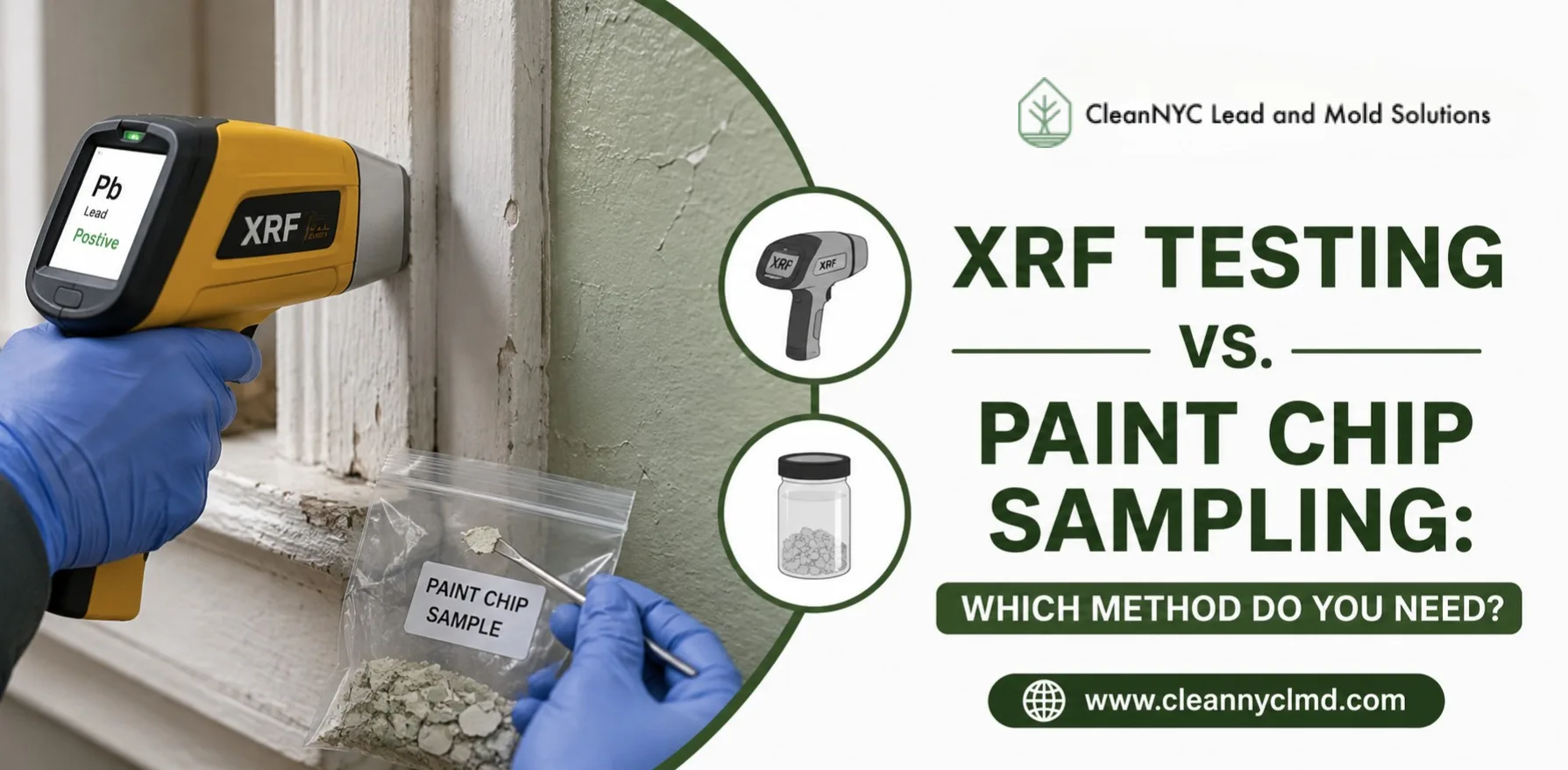
For older buildings where lead paint is also a concern, we recommend pairing water testing with our certified XRF testing service — a fast, non-destructive method to detect lead in painted surfaces throughout the property.
Corroded Pipes
Older galvanized pipes can deteriorate internally over time. Corrosion may release metals and sediment into the water supply while also reducing water pressure.
Water quality testing can reveal indicators of pipe corrosion before leaks or major plumbing failures occur.
Properties with suspected lead paint alongside plumbing corrosion concerns benefit from our paint chip sampling service, which provides laboratory-grade analysis of paint samples from walls, trim, and fixtures, delivering a complete picture of lead risk across the property.
PFAS and Emerging Contaminants
In 2026, awareness around PFAS contamination continues to grow nationwide. Although NYC water generally performs well in monitoring programs, buyers increasingly request advanced water testing for additional reassurance. PFAS compounds are often called “forever chemicals” because they break down very slowly in the environment. The EPA’s Basic Information About Lead in Drinking Water confirms there is no known safe level of lead exposure, reinforcing why comprehensive testing matters for any pre-1978 property.
Bacteria and Biological Concerns
Buildings with rooftop water tanks, inconsistent occupancy, or aging plumbing may face bacterial growth risks. Stagnant water systems can sometimes allow microbial contamination to develop. Professional drinking water testing helps identify whether bacterial indicators are present.
Hard Water and Mineral Imbalances
Mineral-heavy water may not always create immediate health concerns, but it can damage appliances, pipes, boilers, and fixtures over time. Water quality testing can help determine whether the building’s plumbing system is already experiencing mineral-related stress.
What Professional Water Testing Usually Includes
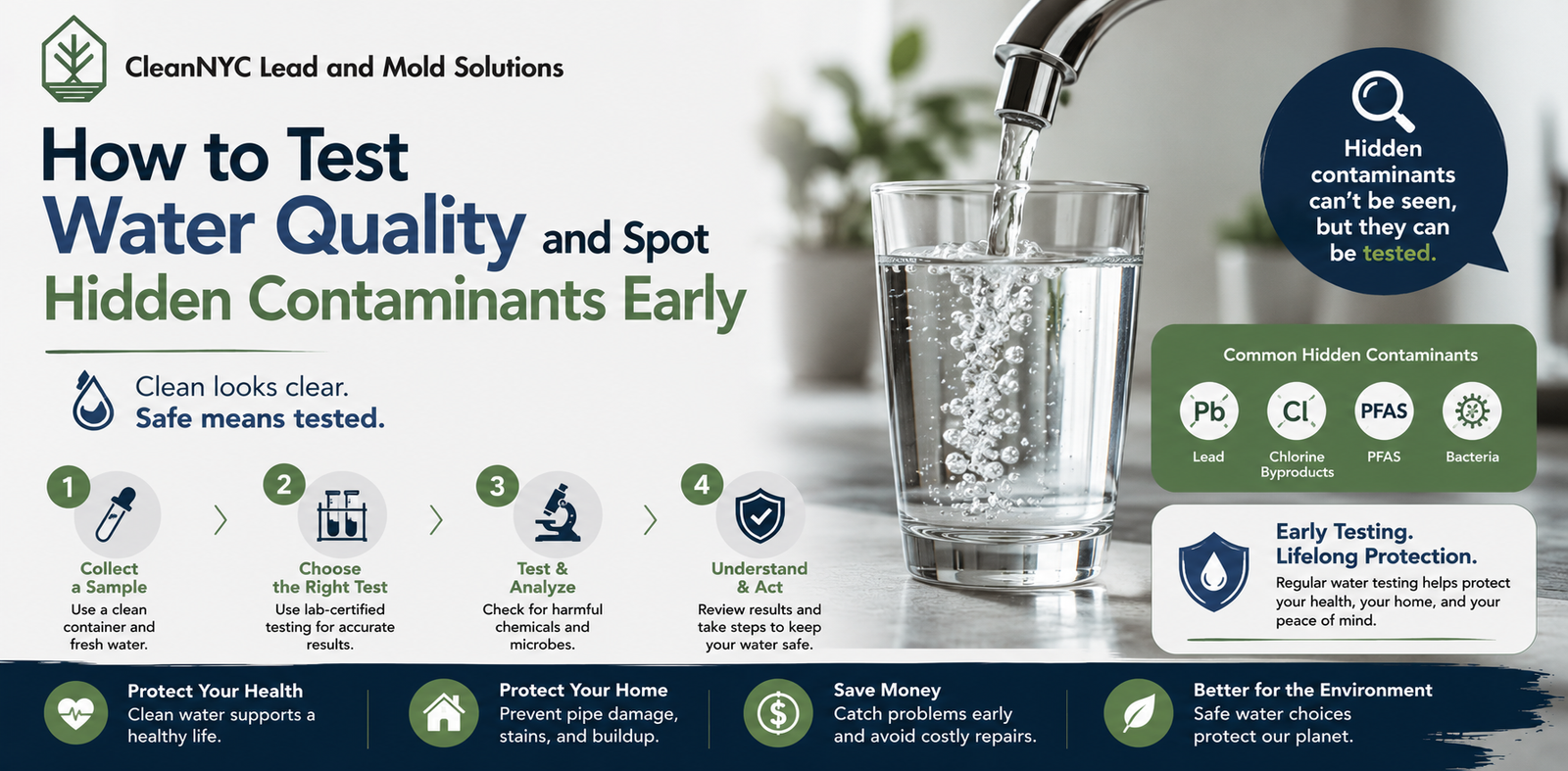
A comprehensive water testing process often evaluates multiple categories of contamination and water conditions. Most professional services may analyze:
- Lead levels
- Copper content
- Iron and rust indicators
- Chlorine concentration
- pH balance
- Bacteria indicators
- Turbidity
- Sediment presence
- PFAS screening
- Heavy metal contamination
- Volatile organic compounds
Testing procedures may vary depending on the property type, building age, occupancy, and buyer concerns. For large residential or commercial buildings, multiple sampling points are often recommended because contamination levels can vary between units and floors.
After any lead remediation work is completed in a building, our dust wipe clearance testing service verifies that all surfaces are certified lead-safe before re-occupancy — a required step under NYC lead abatement regulations.
Detection Before Renovation Work
Renovation projects can disturb hidden lead paint and spread contamination throughout a property. Before starting remodeling work, many contractors and property owners request lead testing to identify hazardous areas. This is especially important before:
- Wall demolition
- Sanding surfaces
- Window replacement
- Interior painting
- Kitchen remodeling
- Flooring removal
- Bathroom renovations
The EPA’s Lead Renovation, Repair and Painting (RRP) Program requires that firms performing renovation, repair, and painting projects that disturb lead-based paint in pre-1978 homes be certified and follow lead-safe work practices. Without proper testing, construction work can release dangerous lead dust into the air.
Why 2026 Buyers Are Taking Water Quality More Seriously
Several factors have increased public awareness around water quality testing in recent years.
Aging NYC Infrastructure. Many New York City buildings were constructed decades before modern plumbing standards existed. Even buildings that appear renovated may still contain older internal water lines behind walls.
Health Awareness. More buyers now research contaminants before purchasing properties. Families increasingly prioritize safe drinking water as part of overall property evaluation.
Insurance and Liability Concerns. Property owners may face legal and financial exposure if water-related health issues affect tenants or residents.
Increased Environmental Awareness. National discussions surrounding lead exposure, PFAS, and drinking water contamination have encouraged more buyers to request professional testing during inspections.
Long-Term Investment Protection. Investors understand that identifying hidden plumbing issues early can prevent significantly higher repair costs later. Review our completed projects portfolio to see how we have helped NYC property owners identify and resolve lead and water quality issues across all five boroughs.
When Buyers Should Schedule Water Testing
The best time to arrange drinking water testing is during the inspection and due diligence phase before finalizing the property purchase.
Testing before closing provides several advantages:
- Better negotiating power
- Clear documentation of conditions
- Time for additional inspections
- Opportunity to request repairs or credits
- Improved investment confidence
Waiting until after purchase may leave buyers financially responsible for expensive remediation work.
Buildings That Should Always Be Tested
Although water testing can benefit nearly any property purchase, certain NYC buildings deserve extra attention. High-priority properties include:
- Pre-1986 buildings
- Prewar apartment buildings
- Brownstones
- Buildings with rooftop tanks
- Multifamily rental properties
- Recently vacant buildings
- Buildings with known plumbing repairs
- Older mixed-use commercial properties
- Homes with visible pipe corrosion
Even luxury renovations may still contain hidden plumbing risks if original supply lines remain in place. To understand the full scope of lead hazards in older properties, visit our Why Test page for a deeper look at the science behind lead inspections and why they matter before any transaction or renovation.
How Water Testing Supports Smarter Property Decisions
Professional water quality testing gives buyers measurable data instead of assumptions. A property may appear visually updated while still containing outdated water infrastructure behind walls and under floors. Testing helps buyers understand the true condition of the plumbing system before committing financially.
The results may influence:
- Purchase negotiations
- Renovation budgets
- Future maintenance planning
- Tenant safety planning
- Filtration decisions
- Compliance preparation
For investors managing multiple NYC properties, regular water testing can also support long-term asset protection.
Choosing a Qualified Water Testing Professional
Not all testing methods provide the same level of accuracy. Buyers should look for professionals who use certified testing methods, provide detailed reporting, understand NYC building infrastructure, and offer clear contaminant analysis.
A detailed report can become an important part of property records and future maintenance planning. At CleanNYC Lead and Mold Solutions, our certified inspectors bring deep knowledge of NYC’s housing stock and lead hazard regulations, providing accurate and reliable results that buyers, landlords, and investors can count on.
NYC residents can also access a free lead test kit through the NYC DEP, though professional certified testing provides a far more comprehensive analysis of your building’s specific risk profile.
Final Thoughts
Buying an NYC building without professional water testing can create unnecessary financial risk. While the city’s overall water supply is highly monitored, contamination often develops within private plumbing systems inside individual properties.
A relatively small investment in drinking water testing may help uncover hidden plumbing problems before they become expensive repair projects. In a city where renovation and remediation costs can rise quickly, understanding the condition of a building’s water system is simply part of making a smarter investment.
As more buyers focus on health, infrastructure, and long-term property protection in 2026, water quality testing continues to become one of the most valuable steps in the property inspection process.
Ready to protect your investment? Schedule professional water testing with our EPA-certified team today. Visit CleanNYC Lead and Mold Solutions to book your appointment or call 212-381-6001 — and ensure the property you are buying meets the highest standards of safety and compliance before you sign.