Renting a home doesn’t mean you have to ignore potential health concerns inside the property. If you’re worried about peeling paint, renovation dust, or aging building materials, you may be surprised to learn that lead testing is often an option—even if your landlord hasn’t arranged an inspection.
Many tenants assume only property owners can request testing, but that’s not always the case. In many situations, renters can hire qualified professionals for non-destructive evaluations, seek assistance through local housing or public health agencies, or request an independent assessment to better understand potential risks. The available options depend on local regulations, lease terms, and the type of inspection being performed.
Knowing the difference between lead paint testing, a lead inspection, and a lead hazard assessment can help you choose the right service without unnecessary expense. This guide explains how the process works, when landlord approval may or may not be required, and what renters should know before scheduling an inspection.
Why Lead Testing Matters for Renters
Lead isn’t something you can see or smell. A painted wall may look perfectly normal while still containing lead beneath newer layers of paint. Likewise, windows, doors, and trim can create microscopic lead dust through everyday use, even when the paint appears intact.
Older residential buildings deserve particular attention because many were constructed before lead-based paint was restricted for residential use. To understand why testing matters beyond visual inspection, visit our Why Test page for a deeper look at the science and health risks involved.
While not every older apartment contains hazardous conditions, professional lead testing helps replace uncertainty with verified information. Instead of guessing, renters receive a clearer picture of whether further action is necessary.
You may want to consider an inspection if:
- Paint is peeling, cracking, or flaking.
- A child under six lives in the home.
- Someone in the household is pregnant.
- The apartment is being renovated or recently completed renovations.
- Windows and doors produce visible paint dust.
- You’re moving into an older rental and want additional reassurance.
Early identification allows concerns to be addressed before they become larger problems.
Can You Schedule Lead Testing Without Your Landlord?
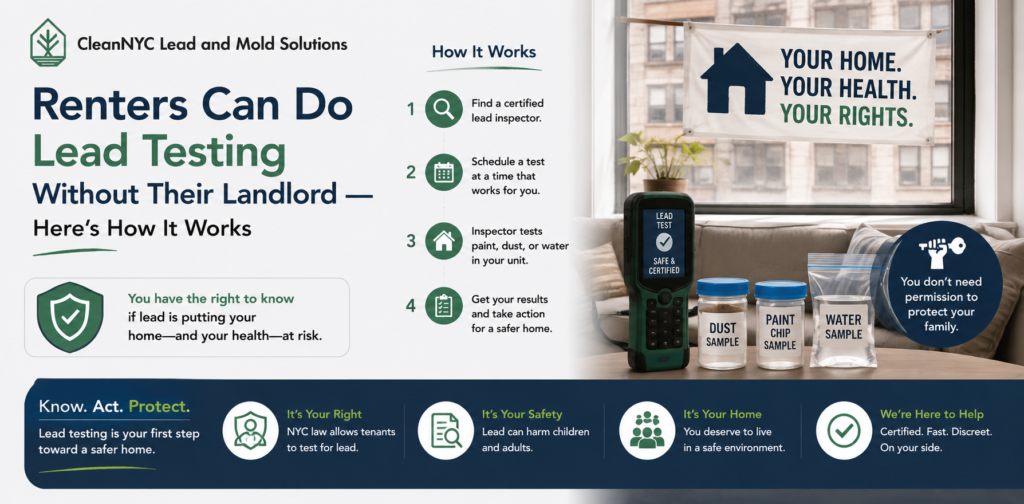
The answer is often yes, depending on the type of inspection and the laws in your area.
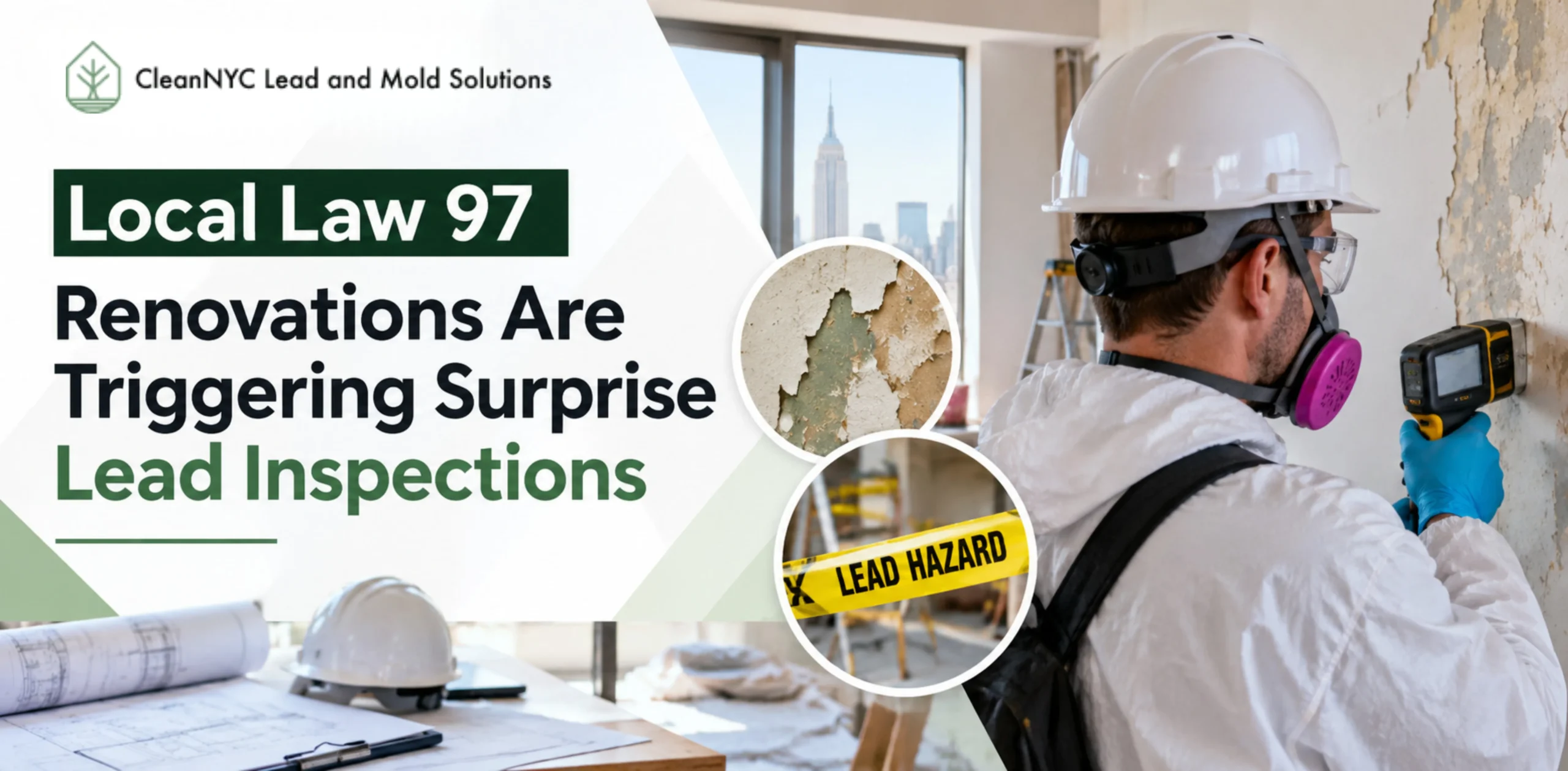
Many professional inspection companies perform non-destructive lead testing using advanced equipment that analyzes painted surfaces without damaging walls, ceilings, trim, or doors. Our XRF testing service is one example—it uses x-ray fluorescence technology to scan painted surfaces instantly without scraping or cutting into materials. Because these methods leave the property unchanged, renters may be able to arrange testing inside their living space without waiting for landlord approval.
However, certain inspection methods require collecting small paint samples for laboratory analysis. Since paint chip sampling slightly alters the surface being tested, permission requirements may differ depending on your lease or local regulations.
If you’re unsure, ask the inspection company how the testing will be performed before scheduling your appointment. A qualified professional should explain the procedure, discuss any limitations, and let you know whether additional permissions may be needed.
Understanding Your Lead Testing Options
Not every inspection provides the same information. Choosing the appropriate service depends on what you want to learn.
Lead Paint Testing
Lead paint testing focuses on one question: Does this painted surface contain lead?
Inspectors often use specialized instruments that provide immediate readings without damaging painted materials. If confirmation is needed, laboratory testing of paint samples may also be recommended.
This option works well when renters want to determine whether painted surfaces contain lead-based paint before making decisions about maintenance or future repairs.
Lead Inspection
A lead inspection is more comprehensive than basic testing.
Rather than evaluating only one or two locations, inspectors examine the property systematically to identify where lead-based paint is present throughout the home. For a detailed look at what NYC law requires and when inspections are mandated, see our guide on NYC lead testing requirements for apartments.
A complete inspection may include:
- Interior painted walls
- Window frames and sashes
- Doors and door frames
- Baseboards
- Ceilings
- Trim and moldings
- Exterior painted components, when accessible
The final report documents locations where lead-containing paint is found, creating a detailed record that can support maintenance planning or future renovation decisions.
Lead Hazard Assessment
Finding lead doesn’t automatically mean occupants are being exposed.
A professional lead hazard assessment evaluates whether lead-containing materials are creating conditions that increase exposure risk.
Depending on the property, the assessment may include:
- Dust wipe sampling
- Soil testing around the building
- Water sampling if plumbing concerns exist
- Evaluation of deteriorated painted surfaces
- Identification of friction and impact surfaces
- Recommendations for reducing potential exposure
This type of assessment focuses on real-world conditions rather than simply confirming the presence of lead. If water supply concerns are also part of your inspection, our water testing service can evaluate those additional exposure risks alongside a lead inspection.
How Professional Lead Testing Is Performed
Many renters expect inspectors to scrape walls throughout the apartment. Modern inspection methods are often much less invasive.
A typical appointment begins with a visual assessment of the property. The inspector looks for deteriorated paint, moisture damage, renovation activity, worn window components, and other conditions commonly associated with lead hazards.
Next, specialized equipment may be used to analyze painted surfaces without causing visible damage. If laboratory confirmation is necessary, carefully selected paint samples may be collected following established procedures.
When appropriate, inspectors may also collect dust wipe clearance testing samples from floors or window sills to evaluate whether lead dust has accumulated inside the living space.
After testing is complete, you’ll receive a written report explaining the findings, what they mean, and whether additional action is recommended.
Unlike DIY testing kits, professional evaluations provide documented results that are generally more reliable and easier to interpret.
What If You Discover a Potential Lead Hazard?
Receiving a positive result doesn’t automatically mean you need to leave your home.
The next steps depend on several factors, including the condition of the painted surfaces, whether lead dust is present, and who occupies the property.
If deteriorated paint is identified, document the findings carefully and notify your landlord in writing. Keep copies of inspection reports, photographs, and maintenance requests for your records. Clear documentation helps create productive conversations and supports informed decisions about repairs or further evaluation.
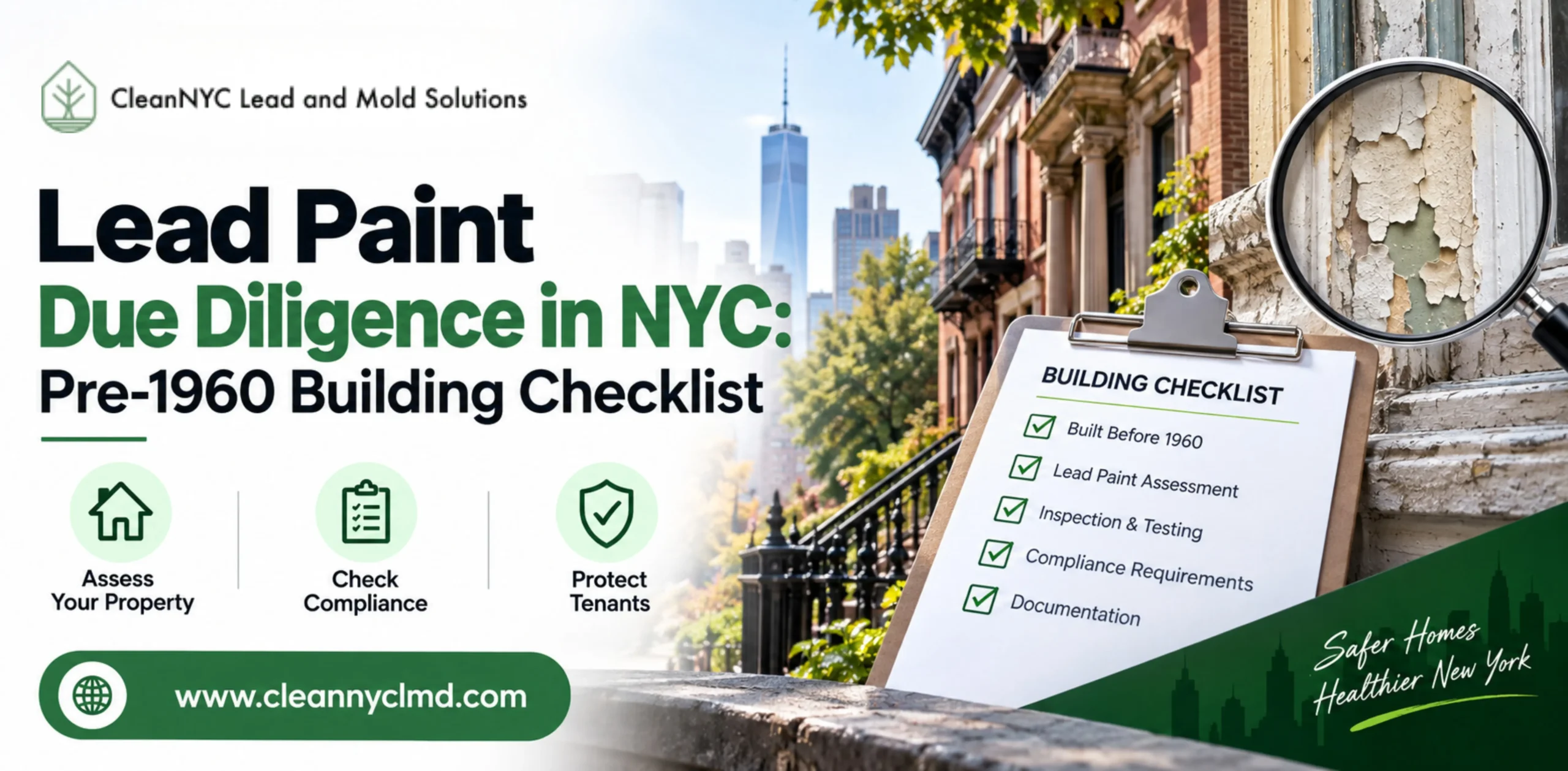
In some areas, local housing agencies or public health departments may also provide guidance. According to the NYC HPD Lead-Based Paint page, all residential buildings constructed before 1960 are presumed to contain lead-based paint under New York City law, which means tenants in older buildings have grounds to request documented inspections. Our team also handles HPD filing requirements to keep your property fully documented and compliant.
Understanding Health Risks for Renters
Lead hazards in rental properties are not just a compliance concern—they carry real health implications. According to the CDC’s Childhood Lead Poisoning Prevention program, children are particularly vulnerable because lead exposure may affect learning, development, and overall health. Pregnant women and adults with prolonged exposure can also face serious health consequences.
Lead hazards often appear in areas that experience regular friction and daily use:
- Window frames and tracks
- Door edges and door frames
- Baseboards and trim
- Stair railings
- Cabinets and drawers
These surfaces wear over time, releasing microscopic lead particles into household dust without any visible peeling or damage. Renters who notice unusual dust buildup near windows or doors should consider scheduling a professional inspection.
What Happens During Renovation Work in a Rental?
Renovation projects can disturb hidden lead paint and spread contamination throughout an apartment. If your landlord is planning or has recently completed renovation work, it is especially important to verify that proper lead safety procedures were followed.
The EPA’s Lead Renovation, Repair and Painting (RRP) Program requires that firms performing renovation, repair, and painting projects that disturb lead-based paint in pre-1978 homes be certified and use lead-safe work practices. Without proper testing, construction work can release dangerous lead dust into the air.
This is especially important before:
- Wall demolition
- Sanding surfaces
- Window replacement
- Interior painting
- Kitchen remodeling
- Flooring removal
- Bathroom renovations
Renters who are concerned about environmental safety inside their building can also learn more about what broader environmental inspections in NYC cover and when they may apply to residential buildings.
How to Choose a Qualified Lead Testing Professional
Not all inspection services offer the same level of expertise. Choosing an experienced professional helps ensure the results are accurate, clearly explained, and supported by recognized testing methods.
Before scheduling an appointment, consider asking these questions:
- What type of lead testing do you perform?
- Do you offer non-destructive testing methods?
- Will the inspection include a written report?
- Are laboratory samples recommended if needed?
- Can you explain the difference between testing and a lead hazard assessment?
- What should I do if lead is identified?
A trustworthy inspector will explain the inspection process, answer your questions without pressure, and recommend only the services that fit your situation. Our certified team at CleanNYC Lead and Mold Solutions brings extensive experience with NYC pre-war buildings, multifamily properties, and Local Law compliance requirements. Browse our past project case studies to see verified inspection results across New York City properties.
Common Myths About Lead Testing
Misunderstandings often prevent renters from taking action. Let’s separate fact from fiction.
Only landlords can arrange lead testing. In many cases, renters can hire a qualified inspection company to evaluate their living space using non-destructive methods. Requirements may vary by location and lease terms.
Every older apartment is dangerous. Older buildings are more likely to contain lead-based paint, but the presence of lead doesn’t always mean there is an active exposure risk. Professional testing provides the facts.
Fresh paint completely eliminates lead. Fresh paint can cover lead but does not remove it. Lead hidden underneath remains a hazard once surfaces are disturbed.
Home test kits are just as accurate as professional inspections. DIY kits can offer preliminary information, but professional inspections use specialized equipment, standardized procedures, and, when necessary, accredited laboratory analysis for more dependable results.
For a comprehensive view of environmental safety standards applicable to residential buildings, see our overview of environmental safety inspections and how they protect renters and property owners alike.
What to Do Before Your Inspection
A little preparation can make the inspection more efficient and help the inspector evaluate your home thoroughly.
Before the appointment:
- Move furniture away from walls and windows where possible.
- Make painted surfaces easy to access.
- Point out any peeling or damaged paint you’ve noticed.
- Mention any recent renovation or repair work.
- Share concerns about children, pregnant family members, or frequent exposure areas.
- Gather previous maintenance records if available.
Providing this information allows the inspector to focus on areas that may require closer evaluation.
Key Takeaways
If you’re renting an older home or apartment, you don’t have to rely on assumptions when questions about lead arise. Professional lead testing provides clear information about whether lead-based paint or related hazards may be present.
Understanding the differences between lead paint testing, a lead inspection, and a lead hazard assessment helps you choose the right service for your needs. While local laws and lease agreements may influence certain procedures, many renters can arrange non-destructive inspections without waiting for landlord approval.
The most important step is working with qualified professionals who use reliable testing methods and provide detailed reports. Accurate information supports better conversations with landlords, informed maintenance decisions, and a safer indoor environment for everyone in the household.
Frequently Asked Questions
About the Author
This article was created by an environmental compliance content specialist with extensive experience researching residential lead safety, property inspections, housing regulations, and healthy building practices. Every guide is developed using current industry standards, trusted public health recommendations, and practical inspection knowledge to provide readers with accurate, balanced, and easy-to-understand information. The goal is to help renters, homeowners, and property managers make informed decisions based on reliable evidence rather than assumptions.