Buying or maintaining a home often starts with scheduling a home inspection. Most buyers believe that if the inspector checks the roof, plumbing, HVAC system, electrical wiring, and foundation, the property is completely safe.
Unfortunately, that assumption isn’t always correct.
Many standard inspections overlook one critical area that can have serious health, financial, and legal consequences: environmental hazards, particularly lead-based paint in older homes.
A property may appear clean, structurally sound, and freshly renovated while still hiding hazardous lead beneath multiple coats of paint. Since standard inspections typically don’t include specialized environmental testing, homeowners often discover the problem only after renovations, tenant complaints, failed compliance inspections, or elevated lead exposure.
Understanding what a residential inspection includes—and what it doesn’t—can help you make smarter decisions before buying, renovating, renting, or selling a property.
What Does a Standard Home Inspection Actually Cover?
A professional property inspection focuses primarily on evaluating the visible condition and functionality of major building systems.
Most home inspection services include evaluating:
- Roofing and gutters
- Foundation and structural components
- Plumbing systems
- Electrical panels and wiring
- Heating and cooling equipment
- Windows and doors
- Attic and insulation
- Exterior drainage
- Visible moisture issues
These inspections provide valuable information about maintenance needs and potential repair costs.
However, inspectors are generally limited to what they can visually observe without damaging walls, ceilings, or painted surfaces.
That’s where many homeowners misunderstand the scope of an inspection.
The Critical Test Many Inspections Don’t Include
A standard inspection rarely includes specialized testing for:
- Lead-based paint
- Mold
- Asbestos
- Drinking water contaminants
- Indoor air quality
Each of these requires separate testing procedures performed by qualified professionals. Our water testing service, for example, evaluates drinking water contaminants separately from any paint-related inspection.
Among these, lead testing remains one of the most overlooked concerns in homes built before 1978.
Fresh paint can easily conceal older lead-containing layers. Since visual inspections cannot determine whether paint contains lead, assuming a property is safe based on appearance alone can be costly.
Why Lead Paint Remains a Serious Concern
Millions of homes across the United States were constructed before lead paint was banned for residential use.
Even today, many older properties still contain original lead-based coatings beneath newer paint.
Lead becomes dangerous when painted surfaces:
- Peel
- Chip
- Crack
- Are sanded
- Are drilled
- Are disturbed during renovations
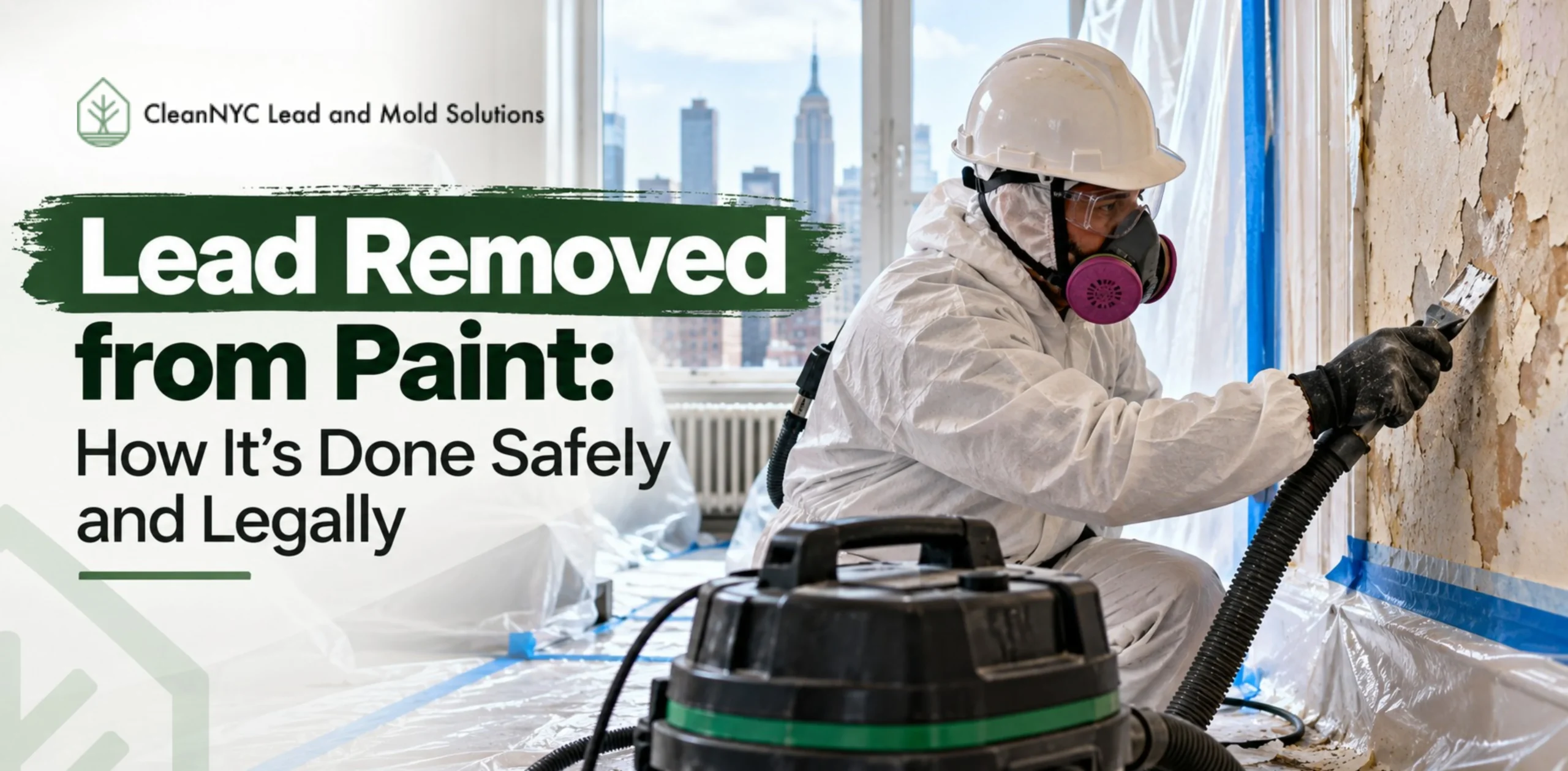
These activities release fine lead dust that may not be visible but can spread throughout a home. Under the EPA’s Lead Renovation, Repair and Painting (RRP) Program, firms performing work that disturbs painted surfaces in pre-1978 homes must be certified and follow lead-safe work practices.
Children and pregnant women are particularly vulnerable because even low levels of lead exposure may affect long-term health, a concern documented by the CDC’s Childhood Lead Poisoning Prevention program.
Why Standard Inspections Can’t Detect Hidden Lead
This surprises many buyers.
A certified inspector cannot identify lead simply by looking at painted walls.
Paint color, age, condition, or texture doesn’t reveal what’s underneath.
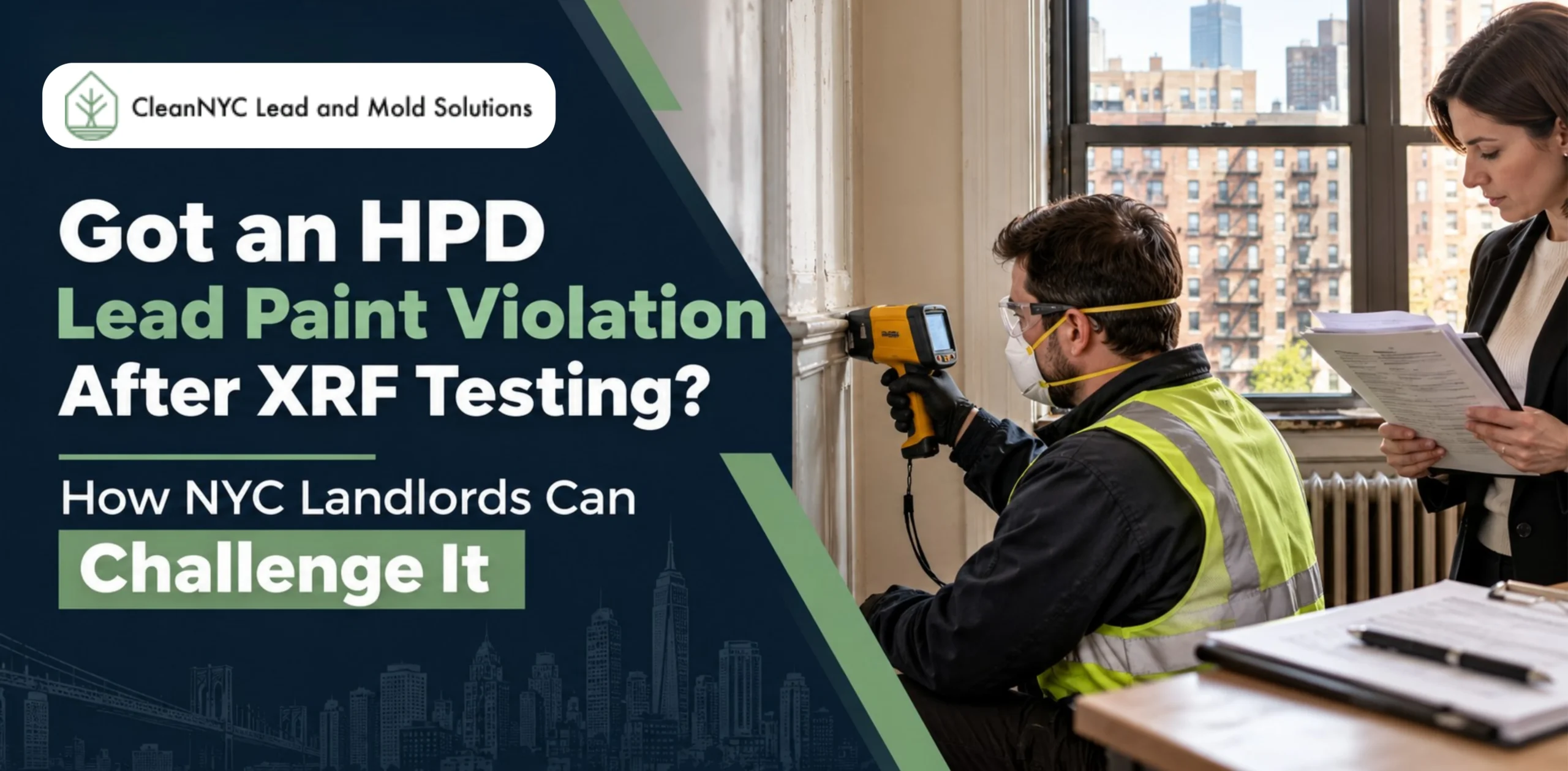
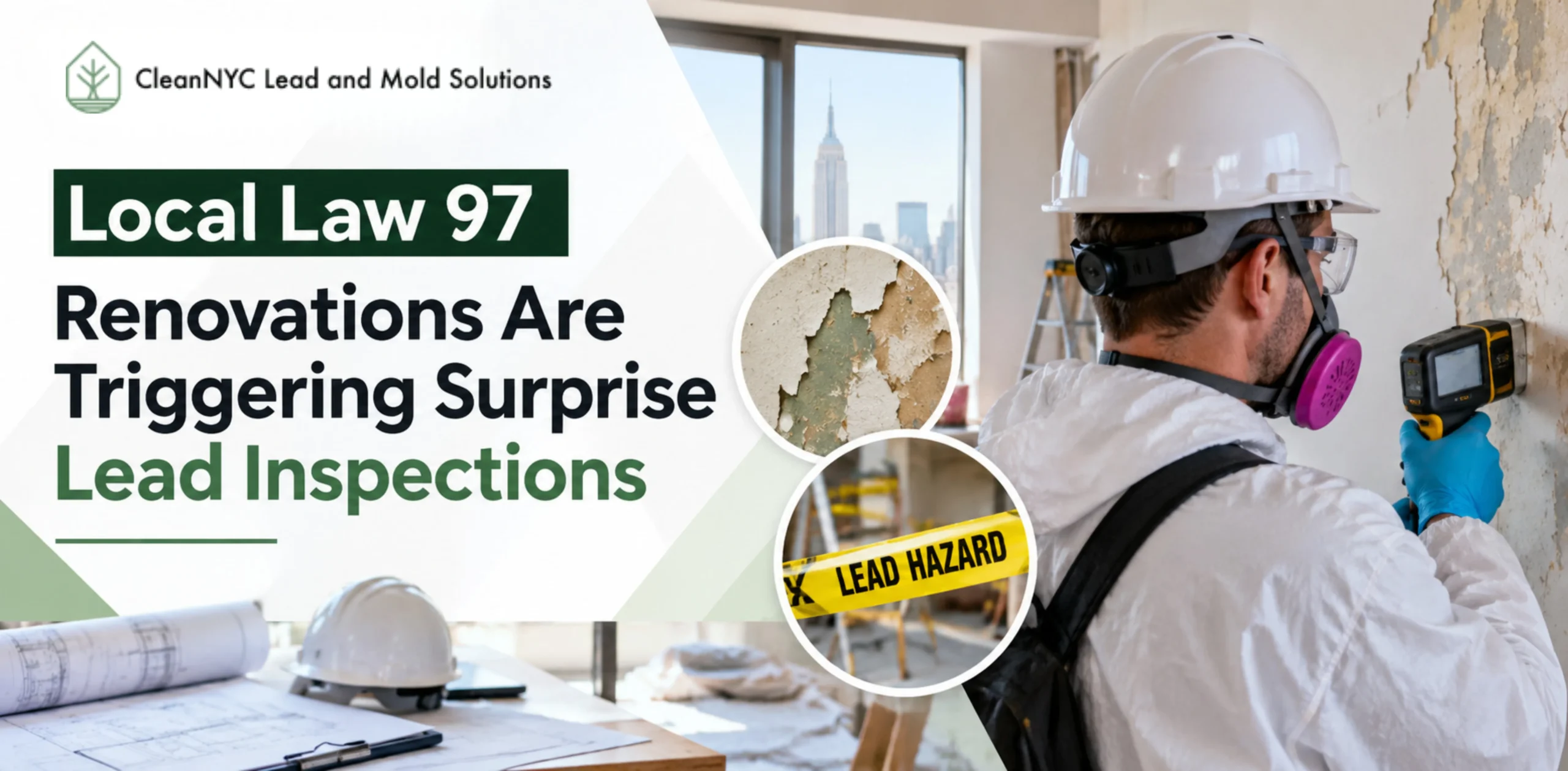
Only specialized testing methods—such as our XRF analysis or laboratory paint sampling—can accurately determine whether lead is present.
Without those tests, the inspection report may state that no visible concerns were observed while hazardous paint remains hidden inside the property.
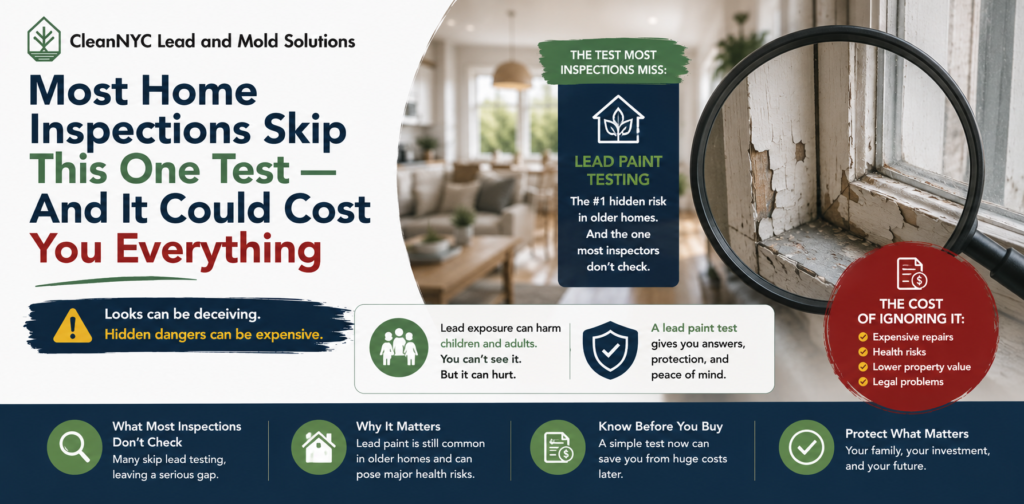
The Real Cost of Missing This One Test
Skipping environmental testing may seem like a way to save money initially.
However, the long-term costs can be significant.
Homeowners may face:
- Expensive remediation projects
- Renovation delays
- Property value reductions
- Tenant disputes
- Compliance violations
- Unexpected repair costs
- Increased liability when selling or renting
Many of these expenses far exceed the cost of preventive testing performed before purchasing or renovating a property.
Older Homes Deserve More Than a Basic Inspection
If your property was built before 1978, a routine inspection should only be the beginning.
Older homes often contain materials that were considered acceptable decades ago but are now recognized as health hazards. Before you assume your building is compliant, it helps to understand why testing matters for older housing stock.
A comprehensive evaluation may include:
- Lead paint testing
- Water quality testing
- Mold assessment
- Asbestos evaluation (when applicable)
These additional inspections provide a more complete understanding of the property’s condition beyond structural integrity.
When Should You Schedule Additional Testing?
Environmental testing is particularly valuable when:
You’re Buying an Older Home
Knowing whether hazardous materials exist before closing helps you negotiate repairs and budget accurately.
You’re Planning Renovations
Renovation work frequently disturbs painted surfaces, increasing the risk of lead dust exposure.
You’re Renting Property
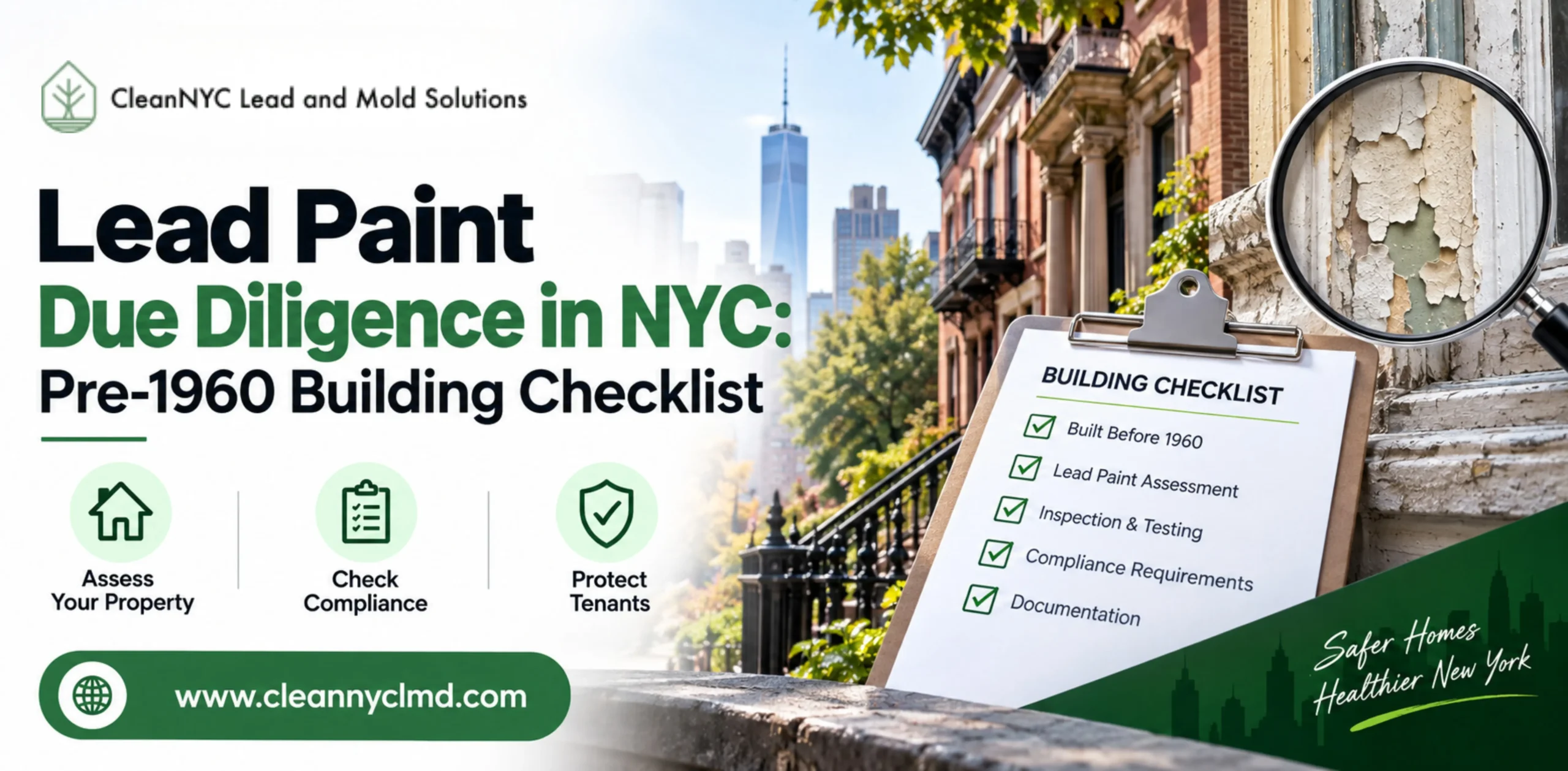
Landlords may have additional responsibilities regarding lead safety depending on local regulations, including HPD filing requirements for older buildings. In New York City, for example, the city’s lead-based paint rules presume that pre-1960 residential buildings contain lead-based paint until testing proves otherwise.
You Have Young Children
Children face greater risks from environmental hazards, making preventive testing especially important.
You’re Selling an Older Home
Providing documented inspection results can improve buyer confidence and reduce surprises during negotiations.
Why XRF Testing Is Considered the Industry Standard
One of the most effective ways to identify lead-based paint is X-Ray Fluorescence (XRF) testing.
Unlike destructive sampling methods, XRF technology analyzes painted surfaces without removing paint from the wall.
Benefits include:
- Immediate results
- Non-destructive testing
- Multiple surfaces tested quickly
- High accuracy
- Minimal disruption
- Suitable for occupied homes
Because the technology measures lead beneath multiple paint layers, it provides far more reliable information than visual inspections alone. Once remediation work is complete, dust wipe clearance testing can confirm that lead dust levels are back within safe limits.
A Complete Inspection Protects More Than Your Investment
Many people think inspections are only about protecting property values.
They’re also about protecting the people who live inside the home. Working with a certified environmental inspection team that follows federal lead hazard evaluation practices, such as those outlined in HUD’s Guidelines for the Evaluation and Control of Lead-Based Paint Hazards, gives you documentation you can trust.
Understanding environmental conditions before problems arise allows homeowners to:
- Plan renovations safely
- Avoid unexpected costs
- Make informed purchasing decisions
- Improve indoor safety
- Maintain regulatory compliance when applicable
A complete assessment provides confidence that extends beyond the inspection report.
Don’t Let “Passed Inspection” Create a False Sense of Security
One of the biggest misconceptions in real estate is believing a passed inspection means every potential issue has been ruled out.
In reality, inspections have defined scopes.
A property can receive an excellent inspection report while still containing hidden environmental hazards that require specialized testing. You can review examples of our completed inspection projects to see how targeted testing has helped property owners avoid these blind spots.
Knowing what’s included—and what’s excluded—helps homeowners make better decisions that protect both their investment and their family’s well-being.
Before assuming your property is completely safe, ask one important question:
Was environmental testing included, or was it simply never performed?
That single question could save thousands of dollars and prevent avoidable health risks in the future.
Conclusion
A home inspection remains one of the smartest investments during a real estate transaction, but it should never be viewed as the complete picture. While standard home inspection services identify many structural and mechanical concerns, they typically do not uncover hidden environmental hazards like lead-based paint. For owners of older homes, combining a residential home inspection with targeted environmental testing creates a far more accurate understanding of the property’s condition. Taking this extra step today can help you avoid unexpected expenses, protect occupants, and make informed decisions with confidence.
Frequently Asked Questions
Find answers to common questions about lead testing and compliance below.
About the Author
This article was prepared by an environmental property safety specialist with experience in residential inspections, lead hazard awareness, and building risk assessments. The content follows current industry practices, regulatory guidance, and practical inspection knowledge to help homeowners, buyers, landlords, and property managers make informed decisions about protecting their properties and the people who occupy them, in partnership with CleanNYC Lead and Mold Solutions.