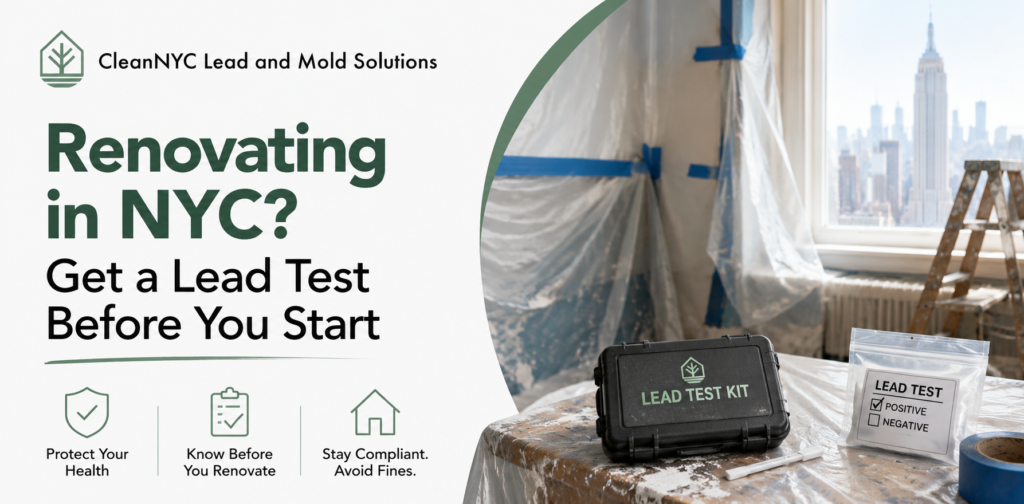
Home renovations in New York City often begin with exciting plans for new kitchens, upgraded apartments, modern office spaces, or restored brownstones. But before demolition starts or walls are opened, one critical step should never be ignored: lead testing.
Across NYC, thousands of buildings constructed before 1978 may still contain lead-based paint hidden beneath newer layers of paint, trim, windows, doors, or plaster. During remodeling, sanding, drilling, scraping, or demolition can release dangerous lead dust into the air. That dust can spread quickly through apartments, hallways, HVAC systems, and shared living areas.
Whether you own a townhouse in Brooklyn, manage a rental property in Queens, or are upgrading a pre-war apartment in Manhattan, professional lead paint testing helps identify hidden hazards before work begins.
Why Lead Testing Matters Before Renovation
Lead exposure remains a major concern in older urban housing. According to the CDC’s Childhood Lead Poisoning Prevention program, children under six years old face the greatest health risks from lead exposure, including damage to the brain and nervous system, slowed development, and learning and behavioral problems. Pregnant women and adults can also experience long-term effects from exposure to lead dust.
When contractors disturb old painted surfaces during renovations, invisible lead particles may contaminate floors, furniture, clothing, and ventilation systems. Even minor projects such as replacing windows, sanding doors, removing trim, or repairing walls can create unsafe conditions.
Professional lead hazard testing allows property owners to:
- Identify areas containing lead-based paint
- Reduce exposure risks during renovation
- Protect tenants, residents, and workers
- Avoid contamination of neighboring units
- Meet NYC and federal safety requirements
- Plan safer renovation strategies
Many NYC property owners assume newer paint layers eliminate the problem. In reality, lead paint hidden underneath can still become hazardous once disturbed.
Older NYC Buildings Face Higher Risk
New York City has one of the oldest housing stocks in the United States. Countless residential and commercial properties were built decades before lead paint restrictions took effect.
Buildings commonly associated with lead risks include:
- Pre-war apartments
- Brownstones and townhouses
- Multifamily rental buildings
- Historic homes
- Older schools and daycare facilities
- Renovated loft conversions
Even buildings that appear modern may still contain original surfaces beneath renovated interiors. According to the NYC HPD Lead-Based Paint page, all residential buildings constructed before 1960 are presumed to contain lead-based paint under New York City law, and must undergo comprehensive testing by EPA-certified inspectors.
A professional lead inspection services provider can determine whether lead exists in painted surfaces, dust, soil, or renovation debris before construction work begins.
What Happens During Lead Paint Testing?
Many property owners are unsure what to expect during a lead inspection. Modern lead testing methods are fast, accurate, and minimally disruptive. A certified inspector may use several techniques depending on the property type and renovation scope.
XRF Lead Testing
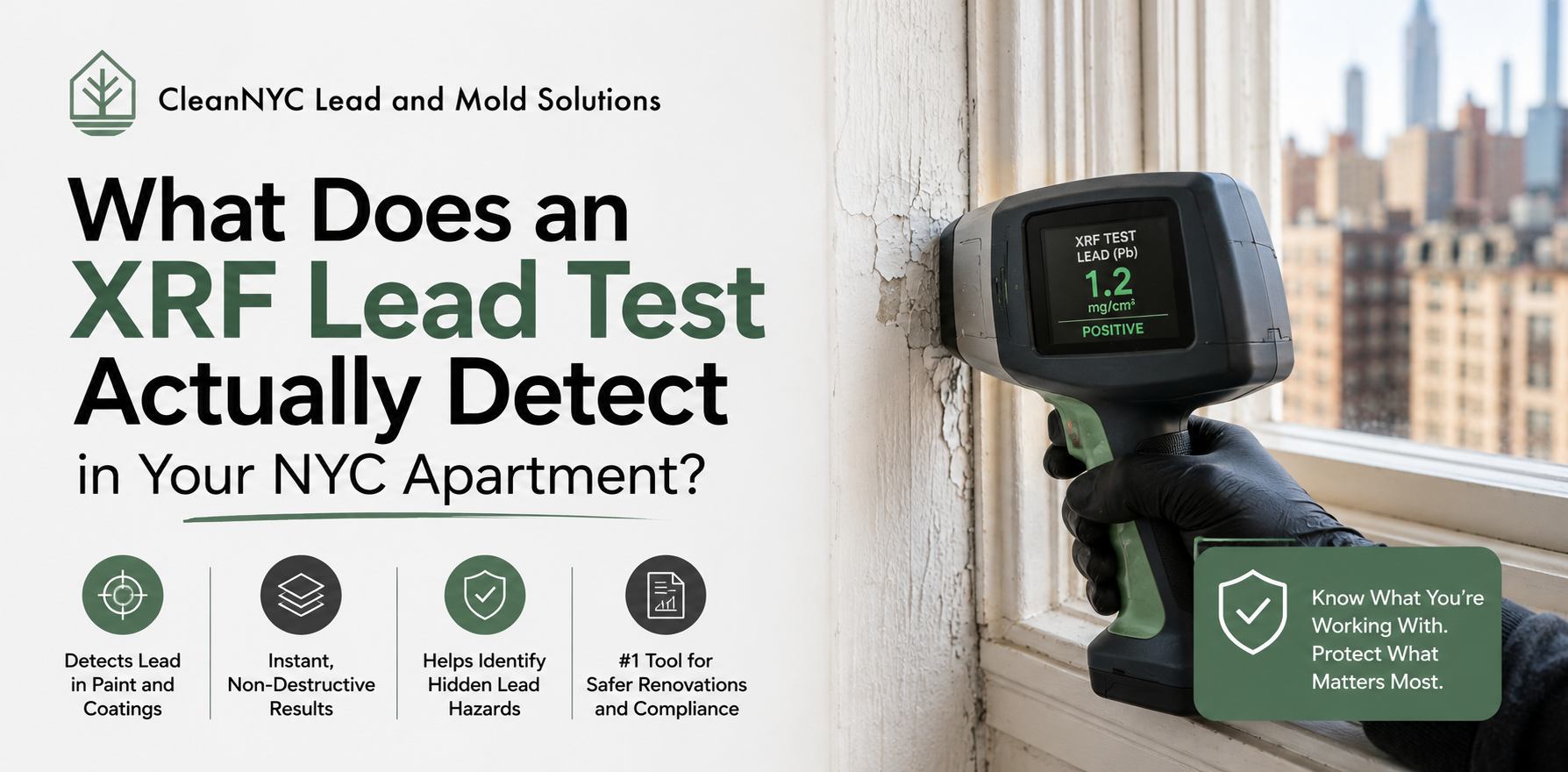
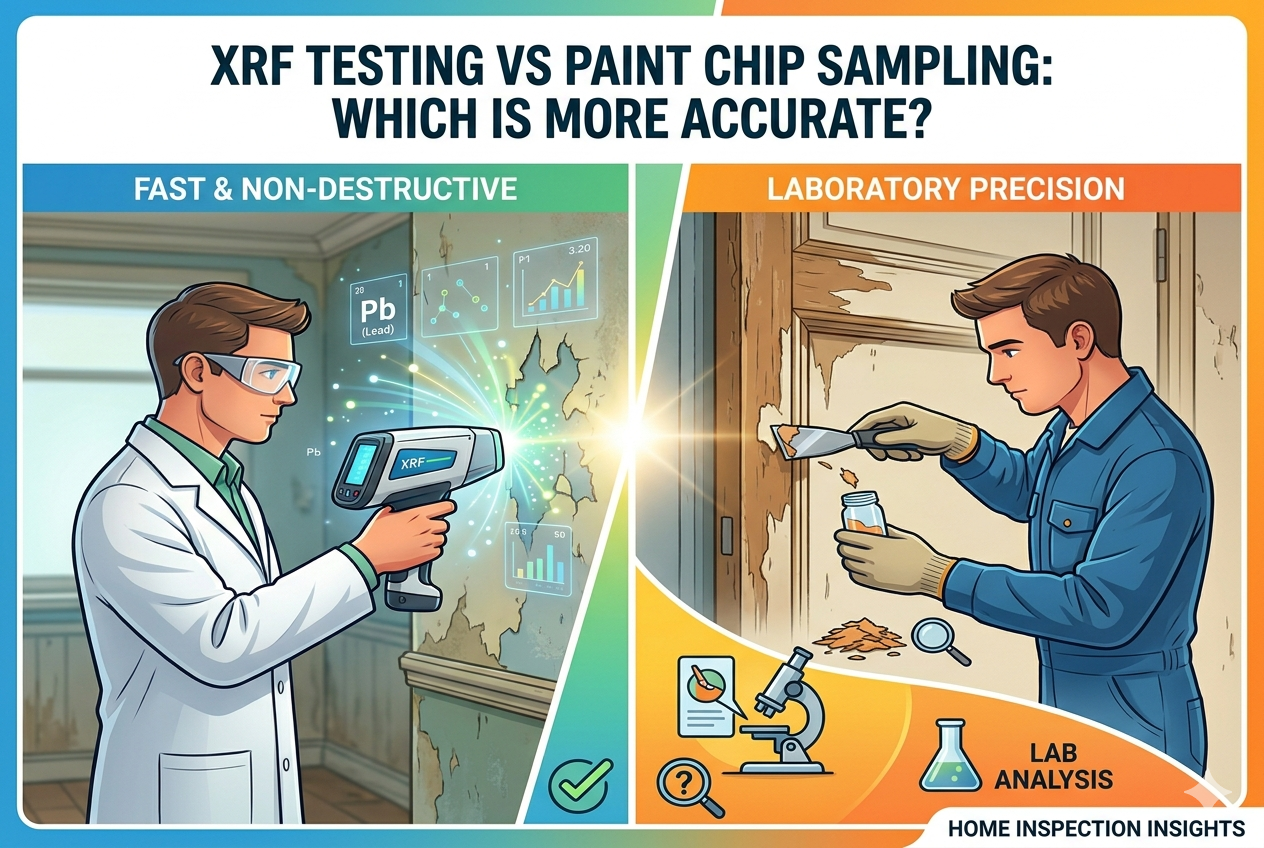
X-ray fluorescence (XRF) analyzers can detect lead beneath multiple paint layers without damaging surfaces. This method is commonly used in NYC residential inspections because results are immediate and non-destructive. Learn more about how XRF technology works and why it matters for pre-renovation assessments on our Why Test page.
Dust Wipe Sampling
Dust wipe tests collect samples from floors, windowsills, and other surfaces to measure lead dust levels inside occupied spaces. Our certified dust wipe clearance testing service follows laboratory-certified procedures to ensure accurate results before and after renovation activity.
Paint Chip Sampling
Small paint samples may be collected and sent to a certified laboratory for detailed analysis. Paint chip sampling is often used alongside XRF testing to confirm the presence and concentration of lead in specific surfaces.
Soil Testing
Exterior renovations may require soil testing around foundations, playgrounds, or landscaping areas where lead contamination may exist. If your renovation extends outdoors, our team can help evaluate broader site hazards. You can also explore our water testing services if plumbing or water supply lines may be affected during your project.
Professional lead testing creates a clearer understanding of where hazards exist so renovation plans can proceed more safely.
Signs Your NYC Property May Need Lead Hazard Testing
Some warning signs increase the likelihood that lead paint may be present.
You should strongly consider lead hazard testing if:
- Your building was constructed before 1978
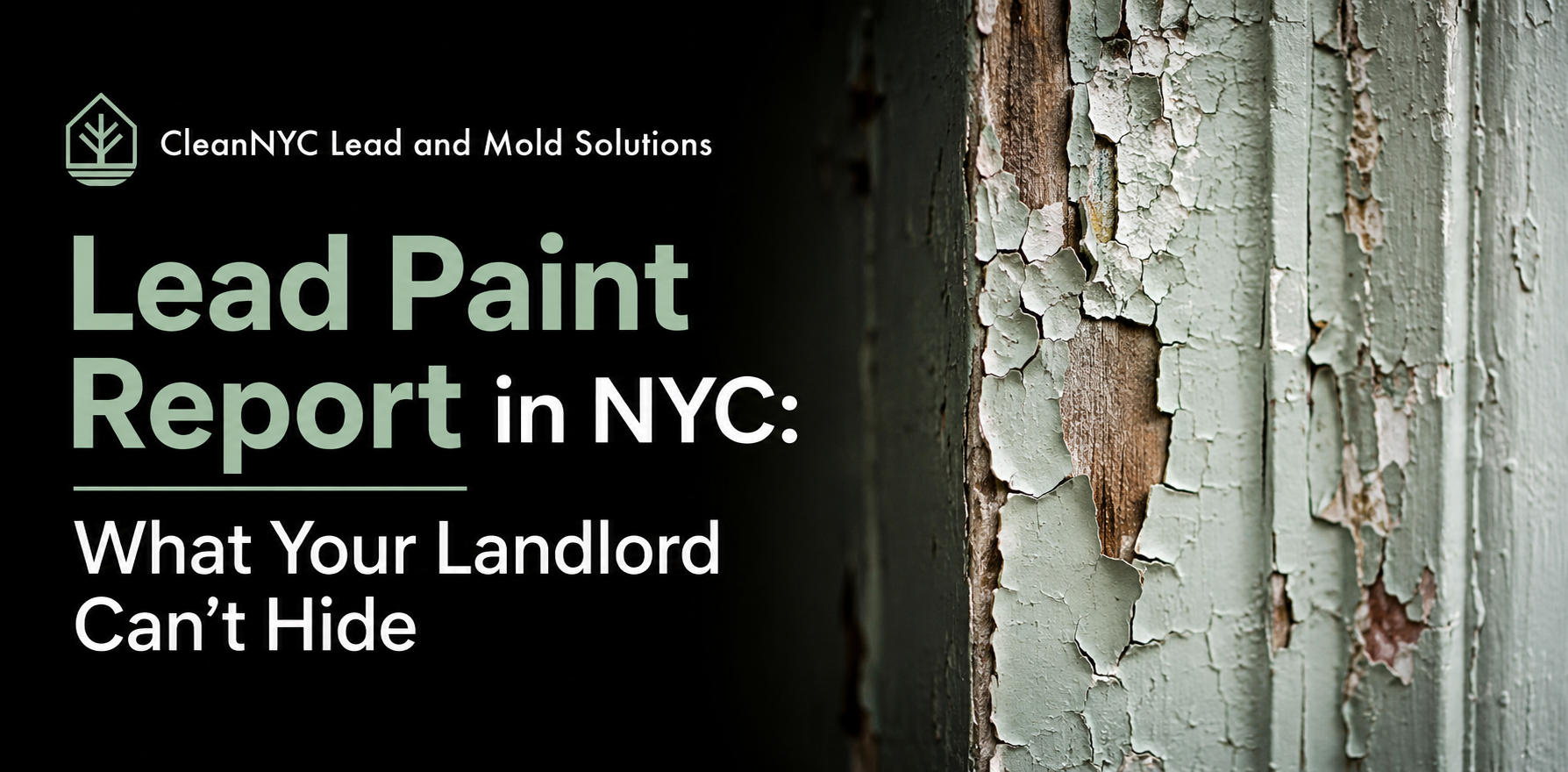
- Paint is peeling, cracking, or chipping
- Renovation work involves sanding or demolition
- Windows and doors create friction on painted surfaces
- Young children live in the property
- Previous renovations were incomplete or undocumented
- You manage rental units in older buildings
Lead dust is often invisible. Waiting until renovation begins can expose workers and occupants before the problem is discovered.
NYC Renovation Rules and Lead Safety
New York City has strict requirements related to lead safety, especially in residential housing. The EPA’s Lead Renovation, Repair and Painting (RRP) Program requires that firms performing renovation, repair, and painting projects that disturb lead-based paint in homes and child-occupied facilities built before 1978 be certified and use lead-safe work practices.
Property owners and landlords may face serious consequences for ignoring lead hazards during renovations. Improper work practices can spread contamination throughout entire buildings. For landlords, staying compliant with documentation requirements is equally critical — our HPD filing services can help you meet regulatory recordkeeping requirements before, during, and after renovation work.
How Lead Testing Protects Families and Workers
Lead exposure does not always cause immediate symptoms. Many individuals are exposed without realizing it.
Children may face developmental delays, learning difficulties, and behavioral issues linked to lead exposure. Adults may experience headaches, fatigue, high blood pressure, or neurological complications.
Construction crews are also at risk when disturbing contaminated materials without proper containment or protective equipment.
By scheduling lead paint testing before renovation begins, property owners can:
- Reduce airborne lead dust
- Improve worker safety
- Prevent cross-contamination
- Protect neighboring apartments
- Create safer living environments
Preventive testing is significantly easier and less expensive than cleaning widespread contamination after renovation work is already underway. Browse our past project case studies to see how verified inspections have helped property managers across New York City stay compliant and renovation-ready.
Choosing the Right Lead Inspection Services in NYC
Not all inspection providers offer the same level of expertise. In a city as complex as New York, experience with local building types and regulations matters.
When evaluating a lead testing company, look for:
- Certified lead inspectors or risk assessors
- Experience with NYC residential properties
- Modern testing technology
- Laboratory-certified sampling procedures
- Clear written reports
- Knowledge of local compliance requirements
- Fast turnaround times for renovation projects
A reliable provider should explain findings clearly and help property owners understand next steps without creating confusion. Our certified team at CleanNYC Lead and Mold Solutions brings deep experience with NYC pre-war buildings, multifamily properties, and Local Law compliance requirements.
Lead Testing for Apartments, Rentals, and Commercial Spaces
Lead risks are not limited to single-family homes. Property managers, co-op boards, landlords, schools, daycare centers, and commercial building owners across NYC increasingly request lead hazard testing before renovations.
Common renovation projects that may require testing include:
- Kitchen remodeling
- Bathroom upgrades
- Window replacement
- Flooring removal
- Interior demolition
- Electrical rewiring
- Plumbing updates
- Exterior repainting
In multifamily buildings, testing becomes even more important because lead dust can travel between units.
Why Preventive Lead Testing Is Growing in 2026
More NYC property owners are taking proactive steps before renovations begin. Growing awareness of indoor environmental safety, tenant protection, and health concerns has increased demand for lead inspection services throughout the city.
Modern buyers, tenants, and investors also pay closer attention to environmental safety records when evaluating properties.
Professional lead paint testing helps demonstrate responsible property management while reducing potential liability.
For renovation contractors, early testing also improves project planning by identifying containment needs before work starts.
Final Thoughts
Renovating an older NYC property without lead testing can create unnecessary risks for families, tenants, workers, and neighboring residents. Because many buildings throughout New York City were constructed before lead paint restrictions were introduced, hidden hazards remain common.
Professional lead testing provides clarity before construction begins. It helps property owners identify risks, plan safer renovations, reduce contamination concerns, and protect occupants throughout the project.
Whether you are updating a brownstone, remodeling a rental apartment, or preparing a commercial renovation, scheduling lead hazard testing before demolition starts is one of the smartest steps you can take.
Safe renovations begin with informed decisions.