If you own, manage, or rent out an older building in New York City, you’ve probably typed the same question into Google: what’s the real inspection cost in NYC, and am I already behind?
Here’s the short version. What a lead paint inspection costs in NYC depends on unit count, access, and testing method, and the total grows with the size of your building. Skipping it costs more. Since the August 9, 2025 XRF deadline passed, HPD has moved from educating owners to enforcing the rules.
This guide covers the inspection cost in NYC for 2027 planning: what you’ll pay, what drives the price, who has to test, and how to avoid paying twice.
How Much Does a Lead Paint Inspection Cost in NYC?
Pricing for an XRF lead paint inspection in NYC varies by provider, building size, and scope. Most companies quote per apartment, while dust wipe and water samples are billed per sample. Treat any number you see online as a rough guide, and get written pricing before you commit.
| Service | How it’s usually priced | Best for |
|---|---|---|
| XRF lead paint inspection (one apartment) | Per apartment | Local Law 31 compliance |
| Dust wipe sample (each) | Per sample | Post-renovation or clearance checks |
| Water sample (each) | Per sample | Drinking water concerns |
| Multi-unit building | Quoted per unit or per building | Owners with 3+ units |
Why do quotes differ so much? NYC labor rates and licensing requirements push the inspection cost in NYC above the national average. A tidy studio costs less than a five-story walk-up with a basement, stairwells, and a lobby.
What Affects the Inspection Cost in NYC?
Five things move the price more than anything else:
- Number of units and common areas. More rooms and surfaces mean more XRF readings and more time on site.
- Building size and layout. Prewar buildings with lots of doors, windows, and trim take longer than simple layouts.
- Testing method. XRF is an on-site method that’s usually priced as a flat fee. Lab paint chip analysis adds lab fees and waiting time.
- Report detail. A surface-by-surface report that HPD can rely on costs more than a basic summary. It’s worth it.
- Access and scheduling. Locked units, missed appointments, and rush or weekend slots add to the bill.
Ask every inspector for a per-unit price, what the report includes, and whether common areas are priced separately. Matching quotes line by line is the easiest way to save money.
Who Needs a Lead Paint Inspection in NYC?
Under Local Law 31 of 2020, owners of residential buildings built before 1960 must have apartments and common areas tested with an XRF analyzer. The tester has to be an EPA-certified lead inspector or risk assessor, and that person must be independent of the owner and of any firm doing the lead remediation. HPD’s lead-based paint page walks through the process.
You’re likely covered if you own:
- A rental building built before 1960
- A co-op or condo unit that is rented or sublet, even temporarily
- A unit where a child under 6 lives or spends 10 or more hours a week (testing is due within a year of the child’s occupancy)
Owner-occupied co-ops, condos, and one- or two-family homes that aren’t rented are generally not required to test. Still, if you’re renovating an older home, testing first is smart and often cheaper than guessing.
Is the Local Law 31 Deadline Still Relevant in 2027?
Yes. The August 9, 2025 deadline for testing every pre-1960 apartment and common area has passed, and reports say HPD now issues violations and audits buildings that lack compliant testing records. A missing XRF test can bring a Class C violation, which HPD treats as immediately hazardous, with civil penalties.
Other ongoing duties don’t go away:
- Annual lead paint notices to tenants under Local Law 1 of 2004
- Records of notices, investigations, and XRF testing ready for HPD within 45 days after certain violations (Local Law 122 of 2023)
- Testing when a child under 6 moves in
- Safe work practices during turnovers and repairs
XRF testing is generally a one-time requirement per unit, and the result stays on file. So 2027 is the year to close gaps, not to start from scratch.
What Does the Inspection Cost in NYC Actually Cover?
XRF Inspection
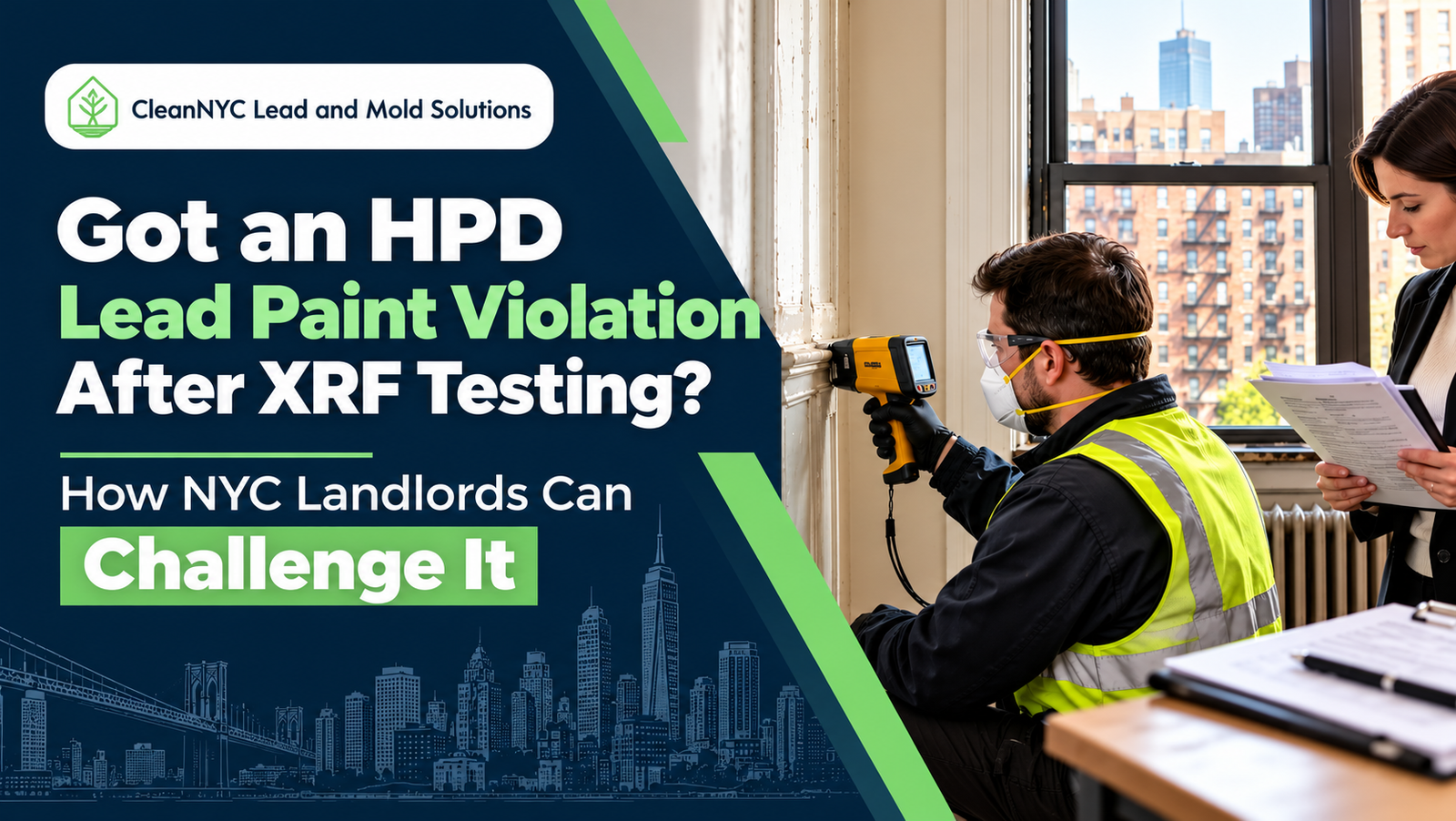
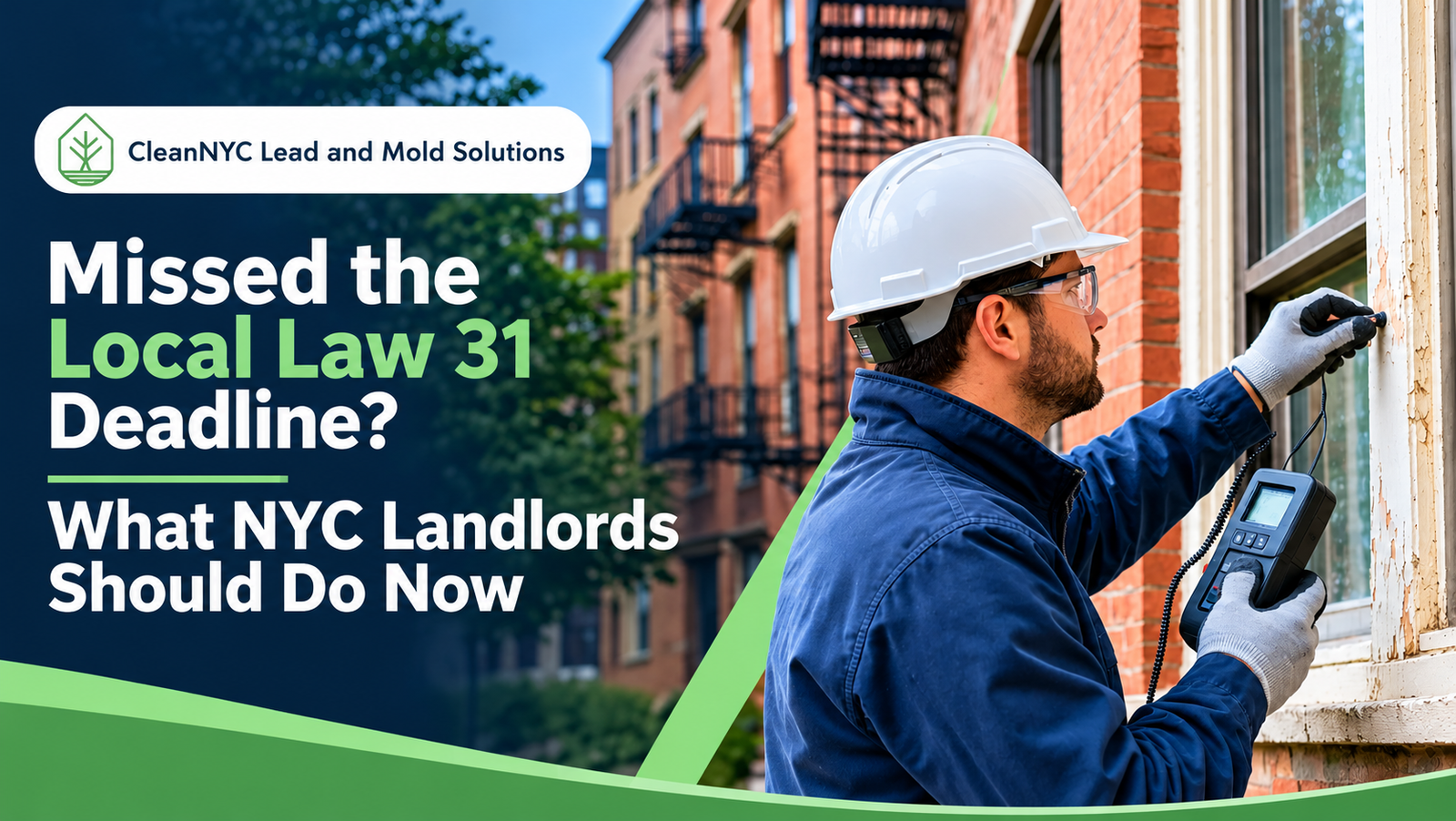
A handheld analyzer reads lead in paint without damaging it. The inspector documents each reading, room by room, and your report lists which components test positive. This is the method Local Law 31 specifies, so it’s the one most owners pay for.
Paint Chip Sampling
Small paint samples go to a lab. It costs more per result and takes longer, but it can matter when an XRF reading is borderline. HPD has also been working on a process for owners to dispute violations with lab-based evidence.
Risk Assessment
An inspection tells you where lead paint is. A risk assessment tells you where it’s an active hazard and what to do about it. Expect a higher price because dust, paint chip, or soil sampling may be involved.
Dust Wipe Clearance
After renovation or abatement, dust wipes confirm the space is clean enough to reoccupy. Each sample is billed separately.
NYC defines lead-based paint as paint with 0.5 milligrams of lead per square centimeter or more. Your report should show readings against that threshold.
What Happens If the Results Are Positive?
A positive result doesn’t mean you have to strip every wall. Owners can remove or permanently cover lead paint, and some surfaces, like friction surfaces on doors and windows, get priority. If testing shows an apartment or common area is free of lead-based paint, or the paint has been properly removed or covered, you can apply to HPD for an exemption from the lead paint presumption. An approved exemption cuts down your future obligations, which is why many owners treat the first inspection as an investment.
Abatement is a separate job with a separate price, and it usually costs far more than the inspection. Because your inspector must be independent of the remediation firm, you’ll need two different companies. Get separate bids.
Sample Budget for a Multifamily Building
Here’s planning math, not a quote. Say you own a 20-unit prewar building. Multiply your per-apartment rate by 20, then add a separate line for hallways, lobby, and basement. Leave some room for retests, re-access visits, and report copies, since a locked unit on testing day can mean a second trip.
Compare that to a single violation and the time spent responding to HPD. Testing on your own schedule almost always costs less than testing in response to a notice.
How to Lower Your Inspection Cost in NYC Without Cutting Corners
- Bundle every unit into one visit. Fewer mobilizations mean a better per-unit rate.
- Notify tenants early. Clear scheduling cuts down on missed appointments and return trips.
- Gather old records. Prior XRF reports or exemption paperwork may save you from retesting.
- Skip lab work you don’t need. Ask whether XRF alone satisfies your goal.
- Hire one certified inspector for the whole building. Consistent documentation makes HPD recordkeeping easier.
- Don’t pick the cheapest bid by default. A weak report that HPD questions costs more than a solid one.
What Tenants Should Know
Tenants don’t pay for the inspection, but they have a stake in it. You should receive an annual lead paint notice. If you see peeling or chipping paint in a pre-1960 building, report it to your landlord and call 311. HPD treats peeling paint complaints, including those tied to leaks or broken plaster, as lead hazard complaints and attempts an inspection within 10 days. If a young child lives in or regularly spends time in the apartment, say so, because that triggers a faster testing timeline.
How to Choose a Lead Paint Inspector in NYC
Before you sign anything, check for:
- Current EPA certification as a lead inspector or risk assessor
- Independence from any abatement or renovation contractor
- A sample report that shows readings by room and component
- Per-unit pricing in writing, with common areas listed separately
- Documentation that’s ready to send to HPD
- A realistic turnaround time
Companies like CleanNYC Lead and Mold Solutions help NYC owners with lead testing and compliance planning, so it’s reasonable to ask for a written scope and per-unit quote up front. Whoever you pick, make sure the inspection cost in NYC you’re quoted matches what’s in the report.
Frequently Asked Questions
Final Thoughts
The inspection cost in NYC is a small piece of what lead paint compliance can cost you. Get per-unit quotes, hire an independent EPA-certified inspector, and keep your reports organized for HPD. If you haven’t tested yet, schedule it now so you’re not paying for it under pressure. Ready to move forward? Request a written quote from a certified NYC lead inspector and ask what’s included before you book.