Quick Answer: Can You Challenge an HPD Lead Paint Violation?
Yes, in some cases. A rule that took effect on February 2, 2026 lets owners challenge certain XRF-based violations with a lab-analyzed paint chip sample. An independent, EPA-certified inspector or risk assessor must take the sample, and a New York State-certified lab must analyze it. You can’t use another XRF reading to contest the violation, and not every violation qualifies.
What an HPD Lead Paint Violation Actually Means
NYC presumes that paint in most pre-1960 residential buildings contains lead. That comes from Local Law 1 of 2004. Local Law 31 of 2020 added a requirement to test pre-1960 rental units with XRF, and Local Law 111 of 2023 extended it to common areas. Buildings from 1960 to 1978 are covered too if the owner knows lead paint is there.
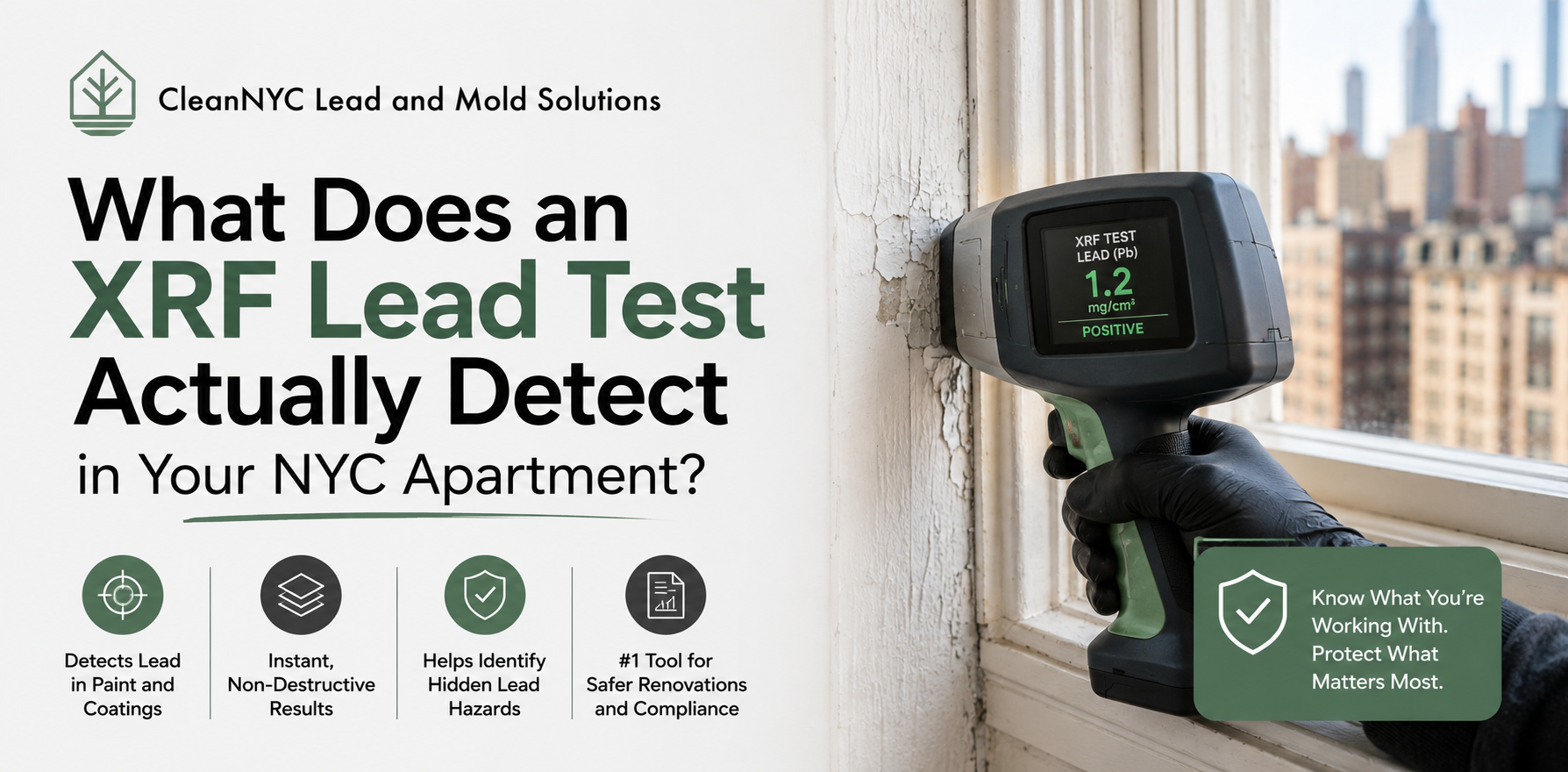
Under HPD’s rules, lead-based paint means a reading at or above 0.5 mg/cm². That threshold has applied since December 1, 2021. A positive XRF reading alone doesn’t always create a violation. Violations usually come from hazards, like peeling or deteriorated paint, especially where a child under six lives. A child “resides” in a unit if they live there or spend 10 or more hours a week there.
That detail matters because an HPD lead paint violation can come from several places:
- A tenant complaint that sends an HPD inspector with an XRF analyzer to your building
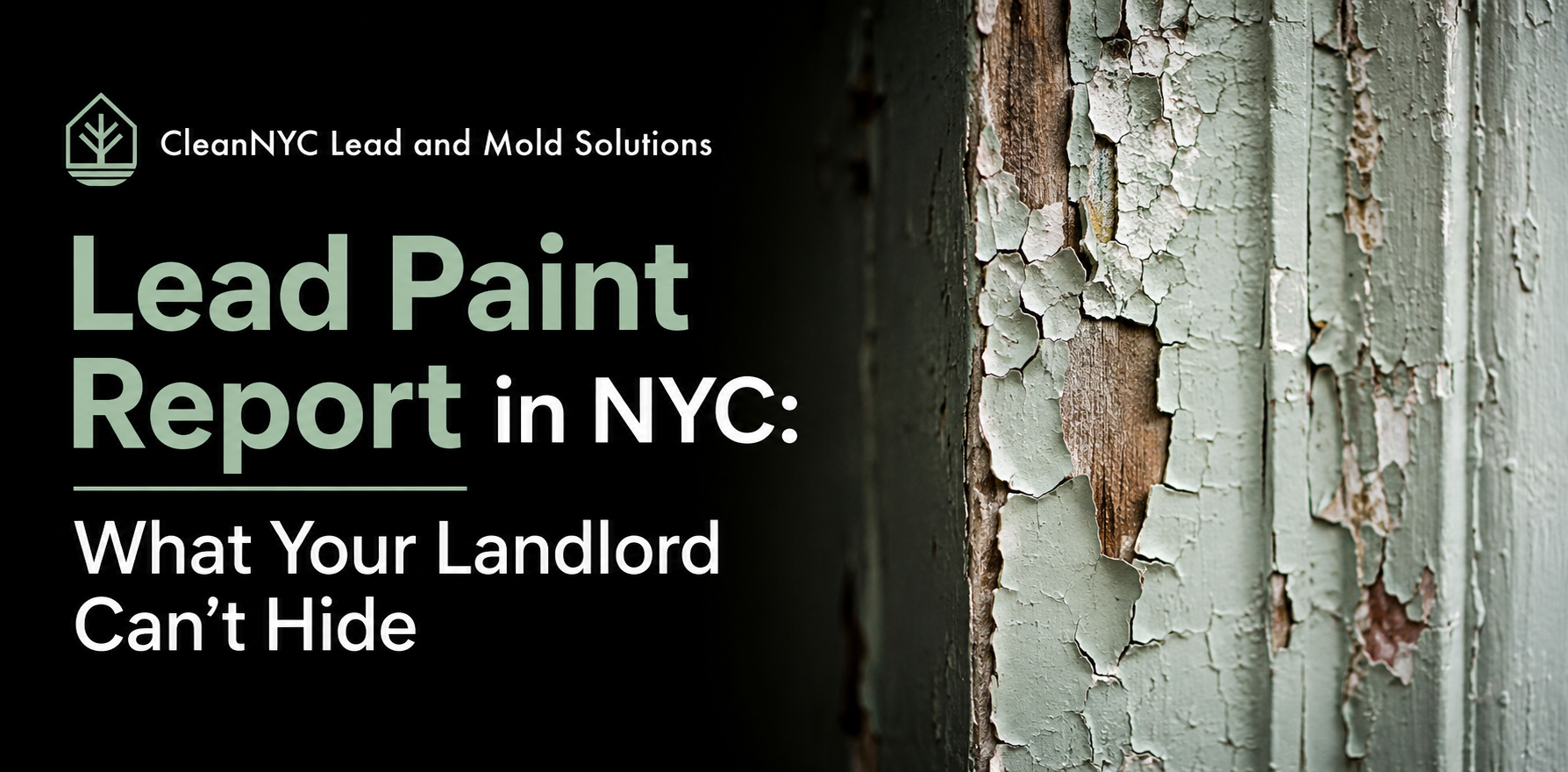
- A line-of-sight inspection where an inspector spots peeling paint during another visit
- A turnover violation when lead conditions aren’t corrected after a new tenant moves in
- A presumed lead violation when testing couldn’t confirm whether paint contains lead
Each type has a different path. Skipping this step is the most common mistake we see. Owners start gathering evidence before they know what kind of violation they have.
Which HPD Lead Paint Violations Can You Challenge?
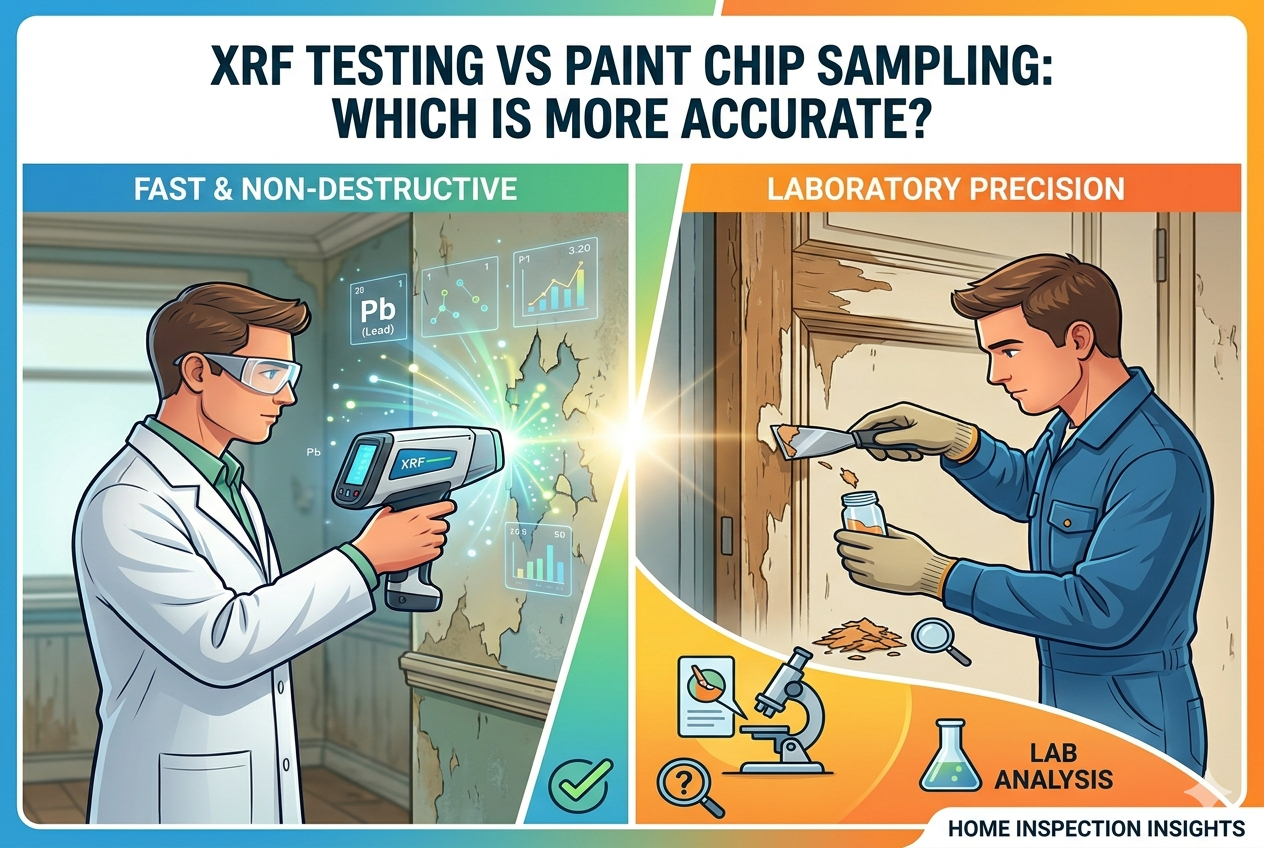
Under the rule that took effect in 2026, HPD created a formal process for owners to challenge certain violations based on positive XRF readings. The reasoning is that some building materials, such as metal or ceramic surfaces, can contain heavy elements that interfere with XRF analysis. They can sometimes produce a false positive when no lead paint is present.
So the rule is aimed at XRF-based violations on specific surface types, not every lead violation. Challenges built on peeling paint that really does contain lead won’t get far.
Separately, HPD has allowed owners to clear certain violations where lead paint was presumed or results were inconclusive. They submit a paint chip analysis showing the paint is not lead-based. HPD’s own FAQ also says plainly that an owner cannot contest a violation by providing more XRF testing.
Before you spend money, pull the violation notice and match its order number and description against HPD’s current rule text and lead-based paint page. Rules in this area change, and scope matters.
What HPD Wants in a Paint Chip Challenge
The process is strict about who collects the sample and what paperwork comes with it. Based on HPD’s adopted rule, your submission needs:
- A sworn written statement from the person who took the paint chip sample, confirming they followed the required evaluation guidelines and aren’t your agent
- A copy of that person’s certificate as a certified lead-based paint inspector or risk assessor
- The inspection report from the person who collected the sample
- The lab analysis from an independent laboratory certified by New York State
- Results measured against HPD’s definition of lead-based paint
The sample can’t be collected by you, your agent, or anyone you’ve hired to do lead remediation in the building. This is where well-meaning owners get tripped up. If your own maintenance crew scrapes a chip and sends it to a lab, HPD won’t accept it.
The sample also has to come from the exact surface cited in the violation. A chip from the bedroom door won’t help you dispute a violation on the bathroom window.
What to Do When You Get an HPD Lead Paint Violation
Here’s a practical order of operations. It mirrors how experienced property managers handle it.
- Read the violation notice closely. Note the violation class, order number, location (unit, room, surface) and the correct-by date.
- Check whether a child under six lives there. This often decides how serious the violation is and how fast HPD expects action.
- Pull your records. Your XRF report, annual notices, turnover records and any prior paint chip results should be ready before you do anything else.
- Decide whether the violation qualifies for a challenge. Compare it against HPD’s current rule on paint chip challenges.
- Call an independent, EPA-certified inspector. Don’t use the contractor who’ll do the repair work.
- Get the paint chip sample taken and sent to a certified lab. Ask about turnaround time, because HPD deadlines don’t pause while you wait.
- Submit the full packet to HPD. Keep a copy of everything you send.
- If the challenge doesn’t apply or fails, correct the hazard using lead-safe work practices and certify the correction.
Don’t wait on step 8 while you’re waiting on lab results if the violation involves a hazard to a child. A fast, documented repair costs less than an unresolved Class C violation.
Challenge It or Fix It? How to Decide
This is the question every owner really asks. Here’s a simple way to think about it.
| Situation | Usually Makes Sense |
|---|---|
| XRF reading on a metal or ceramic surface, paint looks intact | Challenge with paint chip sampling |
| Lead presumed or results inconclusive | Submit paint chip analysis |
| Peeling paint confirmed on a child’s window sill | Fix it fast, then document |
| Turnover violation, repairs not completed | Complete work, then certify |
| Reading near the 0.5 mg/cm² threshold | Consult an inspector before deciding |
The deciding factors are cost, time and risk. A lab test is usually cheaper than abatement, but only if the challenge actually applies. If a child lives in the unit, the safest path is often to repair the hazard while the challenge is pending. Always confirm the strategy with your attorney or HPD directly.
Common Mistakes That Sink a Challenge
After working through lead cases across NYC buildings, the same errors keep showing up:
- Using the wrong inspector. The person must be independent and certified. A contractor tied to the remediation work doesn’t qualify.
- Sampling the wrong spot. The chip has to come from the surface in the violation.
- Sending incomplete paperwork. Missing the sworn statement or certification copy is an easy reason for rejection.
- Treating it as a universal fix. The challenge process doesn’t cover every violation type.
- Missing the deadline. Lab turnaround and scheduling eat time quickly.
- Throwing away records. NYC requires owners to keep lead paint records for at least 10 years, including testing results and any exemptions.
Records HPD Will Expect You to Have
If HPD audits your building, strong records are your best defense. Keep these organized by unit and common area:
- XRF inspection reports and the certified inspector’s information
- Paint chip lab results, if any were collected
- Annual notices and investigation records
- Turnover work documentation
- Exemption applications and approvals
- Correction certifications for past violations
A folder system by building and unit saves hours when an audit or a violation lands. Many owners also use HPD filings and exemption applications to lock in a clean paper trail. More on that in our guide to HPD filings and lead exemptions.
How the Right Testing Partner Helps
Choosing the right partner early saves money later. CleanNYC Lead and Mold Solutions works with NYC landlords and property managers on XRF testing, paint chip sampling and dust wipe clearance testing. A team that keeps testing, sampling and filings in one place means fewer handoffs and cleaner records when HPD asks questions. If you want to understand why testing matters before a violation happens, start with our page on why test for lead.
Frequently Asked Questions
Can I challenge an HPD lead paint violation with another XRF test?
No. HPD’s guidance says owners can’t contest a violation with additional XRF testing. The challenge process relies on a lab-analyzed paint chip sample taken by an independent, certified professional.
Who can take the paint chip sample?
It must be an EPA-certified lead-based paint inspector or risk assessor who isn’t your agent. The person also can’t be hired to perform lead remediation in your building.
How long do I have to keep lead paint records in NYC?
Owners generally need to keep lead paint records for at least 10 years. That includes testing results, inspector details and any exemptions from the lead presumption.
What is the lead paint threshold in NYC?
NYC defines lead-based paint as 0.5 mg/cm² as measured by XRF, in effect since December 1, 2021. Test results taken under the old threshold can’t be used to meet Local Law requirements going forward.
Do I still have to fix the problem if I challenge the violation?
That depends on the violation and your risk. If paint is peeling or a child under six lives in the unit, many owners repair the hazard right away and keep the challenge as a backup. Check the correct-by date on your notice.
Does the challenge rule apply to every lead paint violation?
No. It covers certain XRF-based violations, and the scope is narrow. Compare your violation notice against HPD’s current rule text before you invest in testing.
Next Step
If you’re holding an HPD lead paint violation, the sooner you sort out what type it is and whether it qualifies for a challenge, the more options you keep. Gather your violation notice and XRF report, then book a call with CleanNYC Lead and Mold Solutions to talk through your next move.