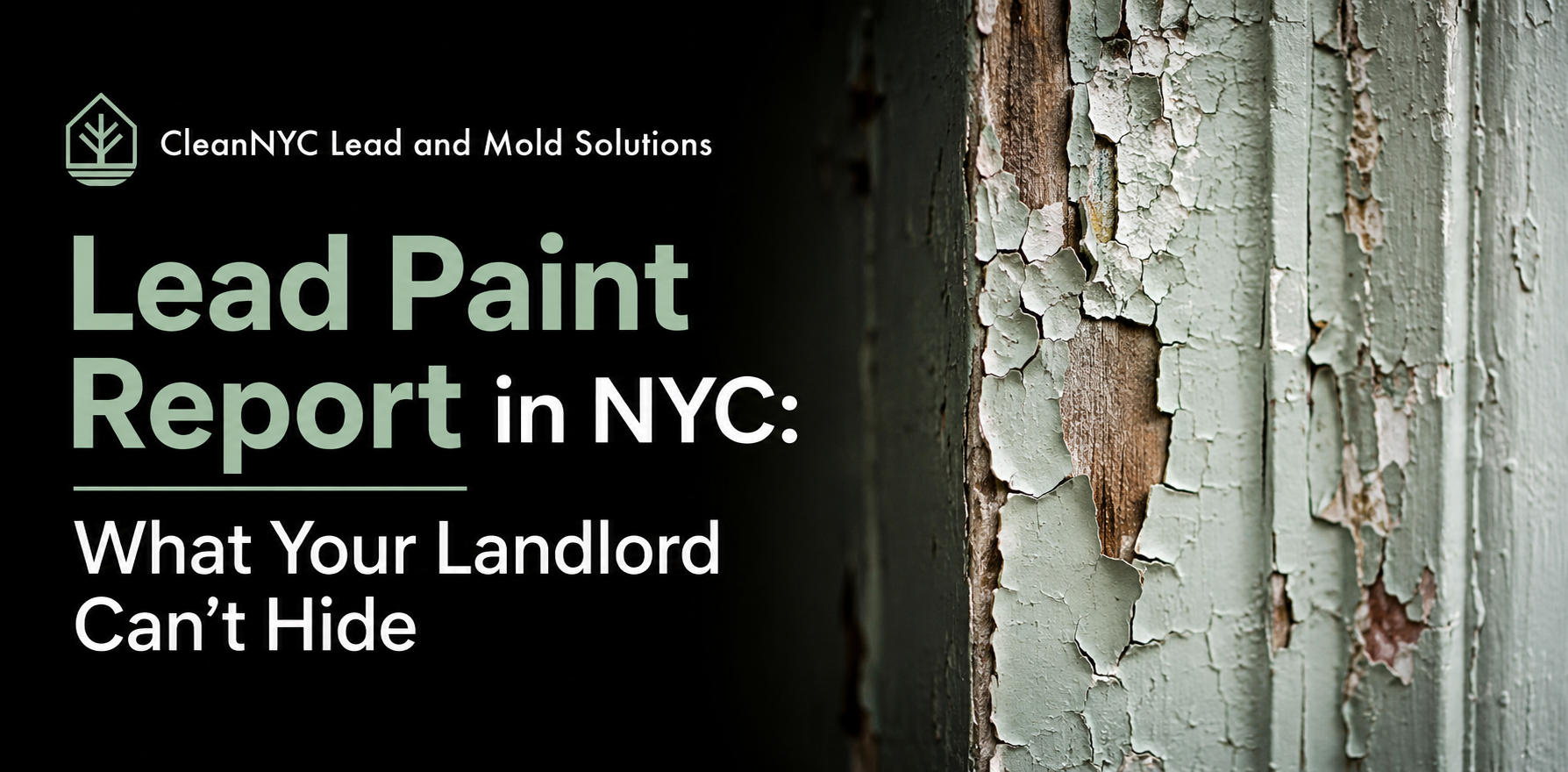
In many older apartments across New York City, layers of paint can hide serious lead hazards that are impossible to identify with a simple visual inspection. Even apartments that look freshly renovated may still contain old lead-based coatings underneath modern paint layers. That is why XRF testing has become one of the most reliable methods for identifying hidden lead risks inside residential buildings.
For tenants, landlords, property managers, and homeowners, understanding what XRF testing actually detects can help prevent exposure to dangerous lead dust and contamination.
Understanding XRF Testing in NYC Apartments
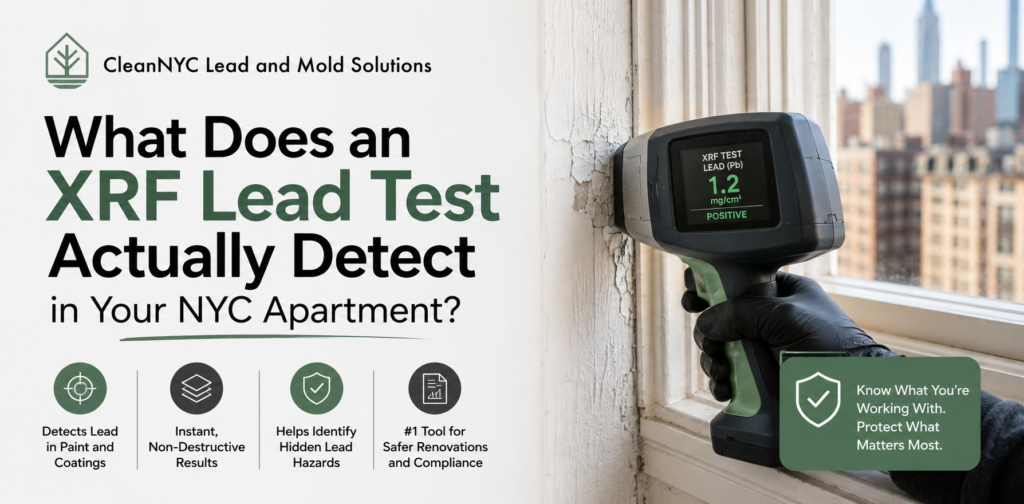
XRF testing is a professional inspection method used to detect lead-based paint without damaging walls, doors, trim, or other painted surfaces.
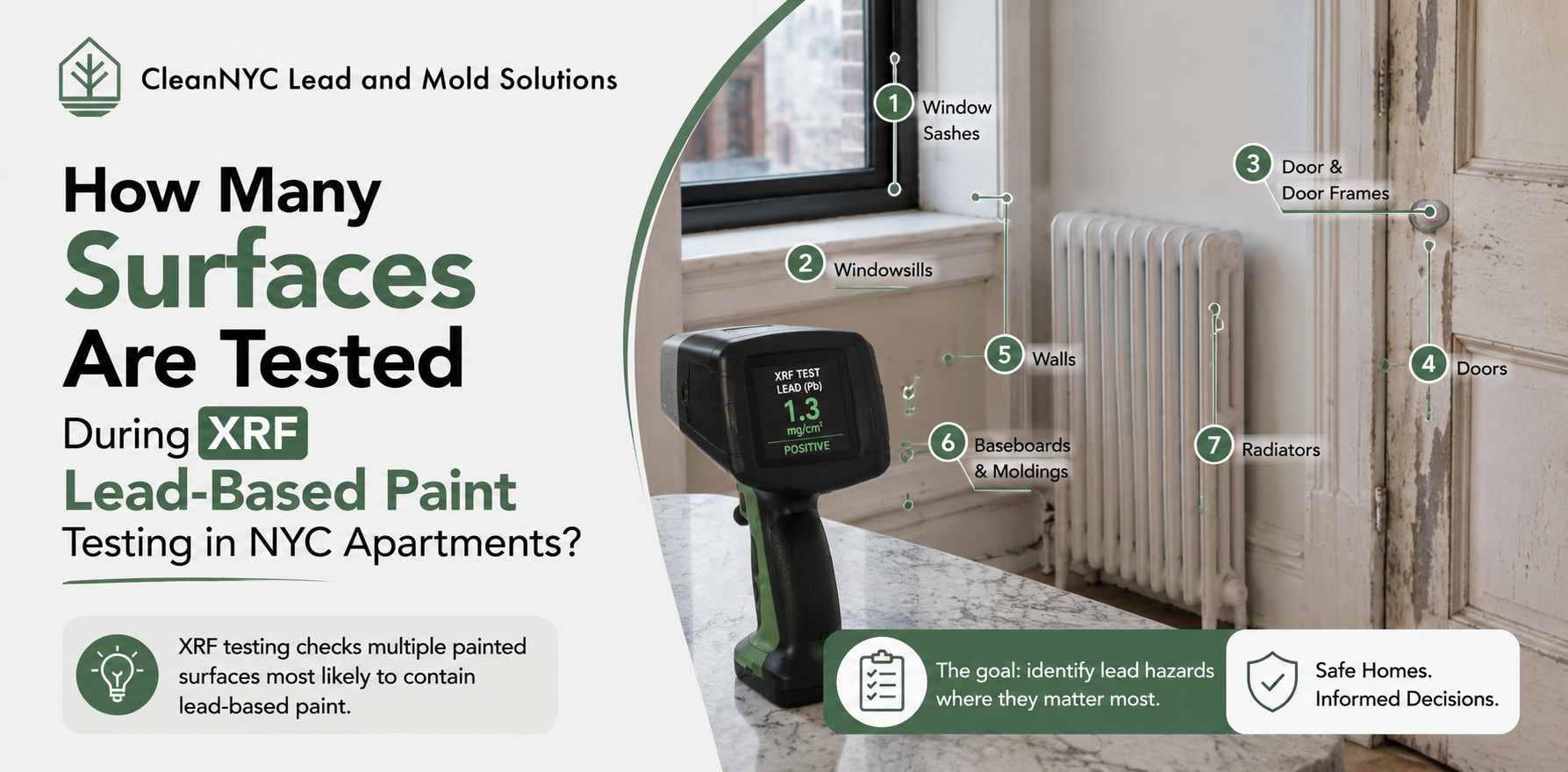
The process uses advanced x-ray fluorescence technology to scan painted materials and identify the presence of lead beneath the surface. A certified inspector uses a handheld device during the inspection to analyze painted components throughout the apartment.
Unlike traditional paint chip sampling, XRF testing delivers immediate results and usually does not require scraping or cutting into painted areas. This makes the process especially useful in older NYC apartments where lead paint may exist beneath several layers of newer paint.
Why Lead Paint Is Still a Major Concern in NYC
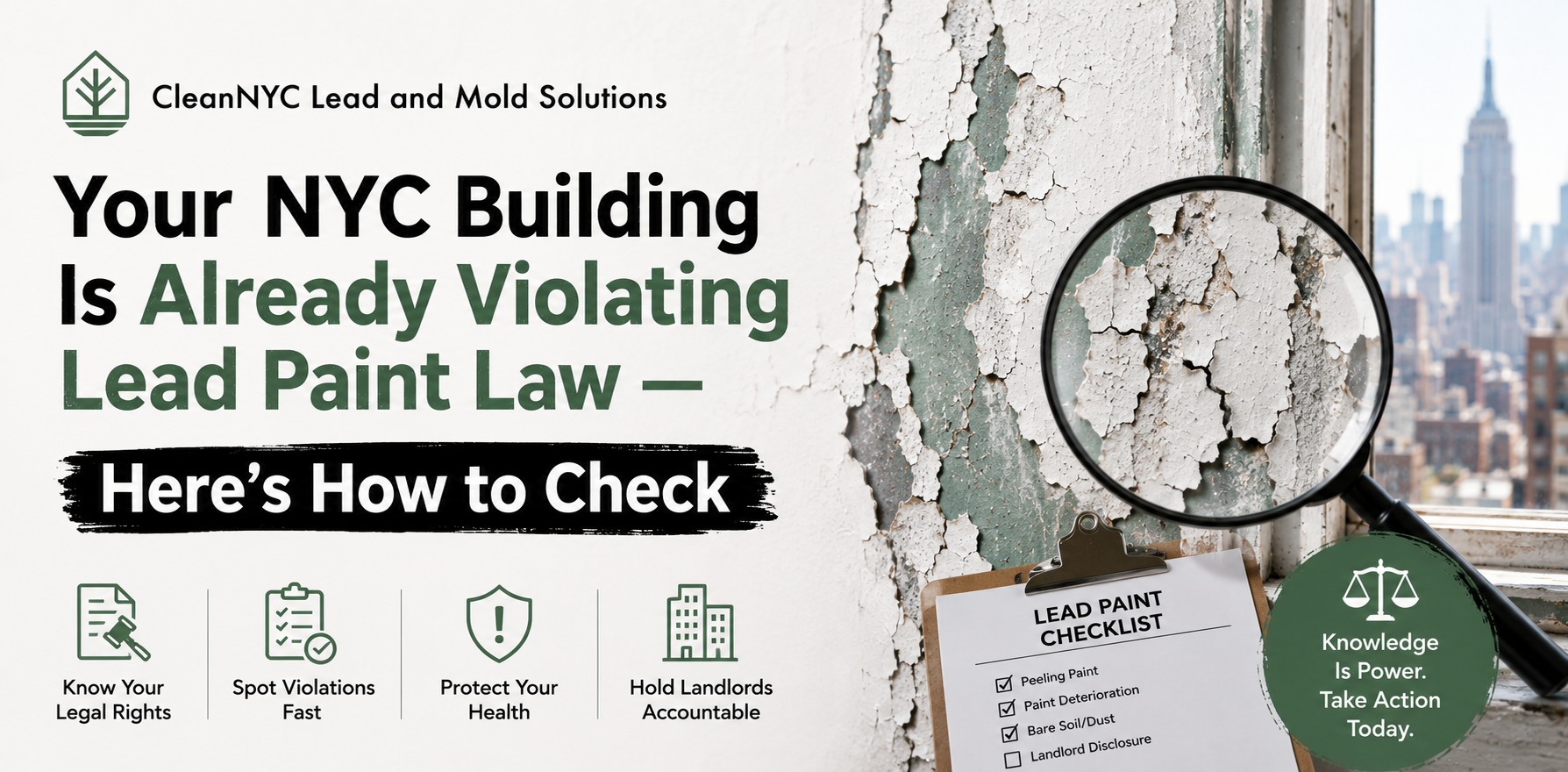
Many buildings in New York City were constructed decades before lead-based residential paint was banned in the United States. According to the NYC HPD Lead-Based Paint page, all residential buildings constructed before 1960 are presumed to contain lead-based paint under New York City law. Even though apartments may have been repainted many times, lead can still remain hidden underneath.
Lead hazards often appear in:
- Window frames
- Baseboards
- Doors and trim
- Kitchen cabinets
- Radiators
- Stair railings
- Hallway surfaces
- Ceilings and walls
When these painted surfaces begin to crack, peel, or wear down, lead-contaminated dust can spread throughout the apartment. According to the CDC’s Childhood Lead Poisoning Prevention program, children are particularly vulnerable because lead exposure may affect learning, development, and overall health.
What Does XRF Testing Actually Detect?
One of the biggest misconceptions about XRF lead testing is that it only detects visible lead paint. In reality, the technology can identify lead hazards hidden beneath multiple paint layers and across many different building components. Visit our Why Test page to learn more about the science behind these inspections and why they matter for pre-renovation safety.
Hidden Lead Beneath New Paint
Many apartments have been repainted repeatedly over the years. Fresh paint may improve appearance, but it does not always eliminate old lead coatings underneath.
XRF testing can detect:
- Buried lead paint layers
- Older coatings covered during renovations
- Lead hidden under primer and modern finishes
- Lead inside painted wood and metal components
This is one of the primary reasons XRF lead testing is widely used in NYC residential buildings.
Detection of High-Risk Friction Surfaces
Certain apartment surfaces create more lead dust because they experience regular friction and impact.
Professional XRF analyzer testing commonly focuses on:
- Window tracks and sliding windows
- Door edges and door frames
- Stair railings
- Cabinets and drawers
These areas constantly rub together during daily use, which can release microscopic lead particles into household dust.
Lead Concentration Levels
Modern XRF analyzer testing equipment measures the amount of lead present within painted surfaces. Inspectors record detailed readings for each tested area, helping property owners understand which surfaces contain lead, the severity of contamination, and which areas require attention.
These measurements are important for apartment purchases, rental compliance, renovation planning, property management, and lead hazard documentation.
Detection Before Renovation Work
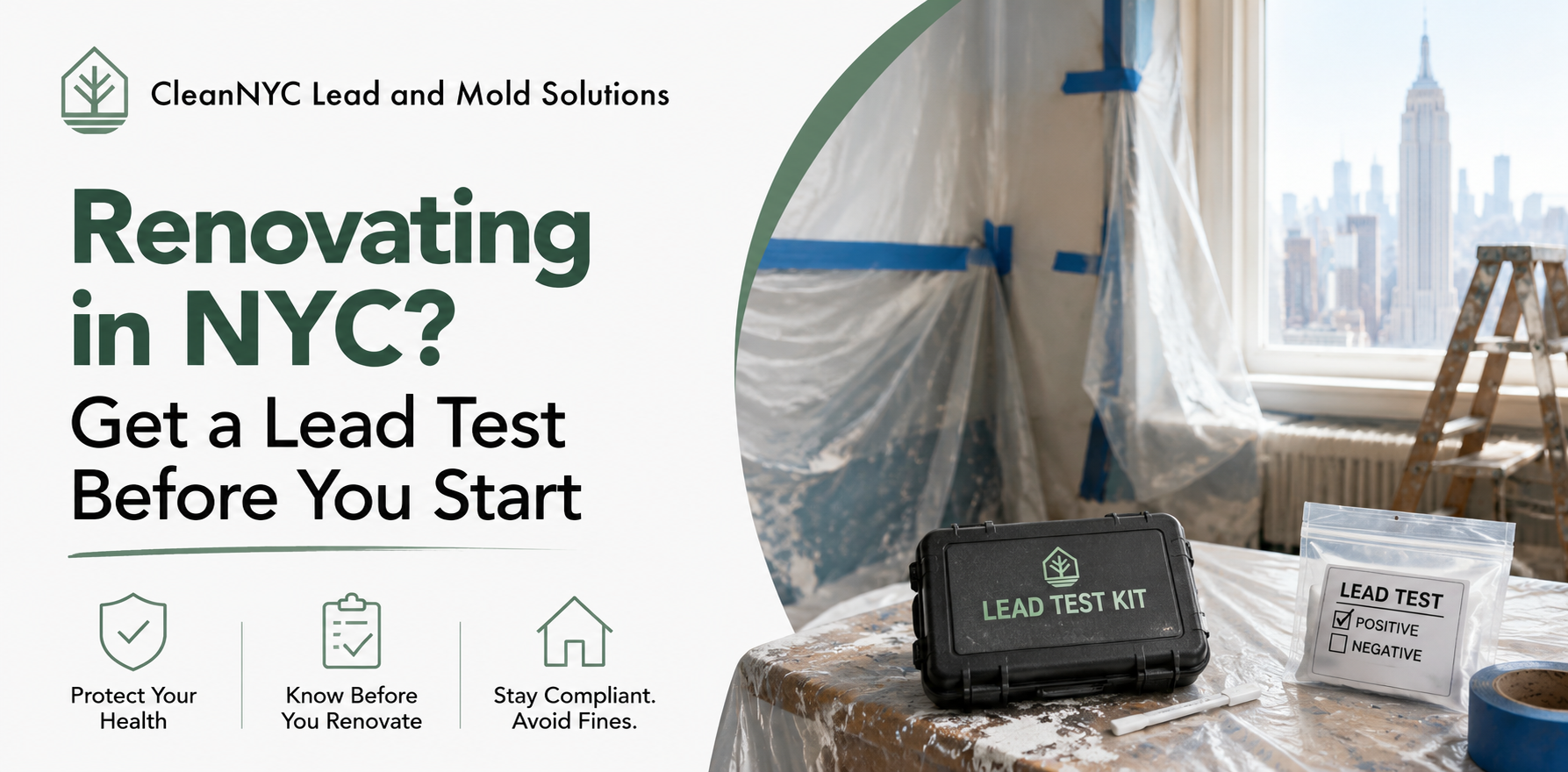
Renovation projects can disturb hidden lead paint and spread contamination throughout an apartment. Before starting remodeling work, many contractors and property owners request XRF testing to identify hazardous areas. Our certified dust wipe clearance testing service can then confirm safe conditions once renovation work is complete.
This is especially important before:
- Wall demolition
- Sanding surfaces
- Window replacement
- Interior painting
- Kitchen remodeling
- Flooring removal
- Bathroom renovations
The EPA’s Lead Renovation, Repair and Painting (RRP) Program requires that firms performing renovation, repair, and painting projects that disturb lead-based paint in pre-1978 homes be certified and use lead-safe work practices. Without proper testing, construction work can release dangerous lead dust into the air.
Older Building Components Often Missed During Visual Inspections
Some lead hazards remain hidden in areas residents rarely suspect. Professional XRF testing may identify lead in decorative molding, utility spaces, older wooden trim, basement surfaces, pipe coverings, shared building hallways, and painted metal surfaces. Because these risks are not always visible, professional inspection technology provides much more reliable results than visual assessments alone.
If your project also extends to plumbing updates or water supply lines, our water testing services can evaluate those additional exposure risks alongside your lead inspection.
How Accurate Is XRF Lead Testing?
Professional XRF lead testing is considered highly accurate when performed by trained and certified inspectors. The technology is widely trusted because it offers immediate readings, non-destructive testing, fast apartment-wide scanning, reliable lead detection, and detailed reporting.
However, accuracy depends on several factors including proper equipment calibration, inspector experience, surface material type, building condition, and accessibility of painted surfaces. Experienced inspectors follow strict procedures to ensure dependable results.
What Happens During an XRF Inspection?
Most NYC apartment inspections follow a simple but detailed process.
Apartment Evaluation
The inspector walks through the property to identify painted surfaces requiring analysis.
Surface-by-Surface Testing
Using handheld XRF analyzer testing equipment, the inspector scans painted areas throughout the apartment. Common testing locations include bedrooms, living rooms, kitchens, bathrooms, hallways, and all windows and trim. Each reading usually takes only a few seconds.
Digital Reporting
Inspection data is recorded and organized into a detailed report showing positive lead findings, surface locations, lead concentration readings, and areas requiring further attention. This documentation can support renovation planning, tenant safety efforts, or property compliance records. Our team at CleanNYC Lead and Mold Solutions also handles HPD filing requirements to keep your property fully documented and compliant.
Browse our past project case studies to see how verified XRF inspections have helped property managers across New York City stay compliant and renovation-ready.
Is XRF Paint Testing Safe?
Yes. Professional XRF paint testing devices use very low radiation levels and are specifically designed for safe residential inspections. Licensed inspectors follow strict safety standards while operating the equipment. Compared to destructive paint sampling methods, XRF testing is considered cleaner, faster, and less disruptive for occupants.
Who Should Schedule XRF Testing?
XRF lead testing is recommended for many NYC property situations, especially in older buildings.
Testing is commonly requested by:
- Parents with young children
- Landlords and property owners
- Apartment buyers
- Renovation contractors
- Property management companies
- Co-op boards
- Real estate investors
You should strongly consider XRF testing if paint is peeling or deteriorating, the apartment was built before 1978, renovation work is planned, lead records are unavailable, or children live in the apartment.
XRF Testing vs Traditional Paint Sampling
Both methods can detect lead, but XRF paint testing is often more efficient for apartment-wide inspections.
| Feature | XRF Testing | Paint Sampling |
|---|---|---|
| Immediate results | Yes | No |
| Damage to walls | Minimal | Requires scraping |
| Apartment-wide scanning | Fast | Slower |
| Multiple surfaces | Efficient | Labor-intensive |
| Real-time reporting | Yes | No |
Because NYC apartments often contain dozens of painted surfaces, XRF lead testing is usually the more practical choice for comprehensive assessments.
Common Myths About XRF Lead Testing
Fresh paint eliminates lead. Fresh paint can cover lead but does not remove it. Lead hidden underneath remains a hazard once surfaces are disturbed.
Modern-looking apartments are automatically safe. Even renovated apartments may still contain older lead-painted building materials beneath updated finishes.
Lead exposure only happens from chipping paint. Lead dust can also form from regular wear around windows, doors, and friction surfaces without any visible damage.
DIY lead kits provide the same accuracy. Store-bought kits cannot match the precision and documentation provided by professional XRF analyzer testing performed by certified inspectors.
Choosing the Right Lead Inspection Professional
When selecting an XRF testing provider in NYC, look for certified lead inspection credentials, experience with older NYC buildings, professional XRF analyzer testing equipment, detailed inspection reports, and understanding of local housing regulations.
Qualified inspectors understand how lead hazards commonly appear in aging apartment buildings and know where to focus testing. Our certified team brings deep experience with NYC pre-war buildings, multifamily properties, and Local Law compliance requirements.
Final Thoughts
XRF testing plays a critical role in identifying hidden lead hazards inside NYC apartments. From walls and windows to trim and doors, the technology can detect lead buried beneath years of repainting and renovation work.
Because many lead risks remain invisible to residents, professional XRF lead testing provides valuable information before renovations, tenant occupancy, or property transactions. For anyone living in or managing an older apartment, XRF paint testing offers a fast, reliable, and non-destructive way to better understand potential lead exposure risks.