Owning or managing a residential property in New York City comes with responsibilities that extend far beyond collecting rent and maintaining common areas. One of the most important compliance issues facing landlords today involves lead paint testing and lead-based paint hazards.
Many property owners assume they are compliant simply because tenants have not filed complaints or because painted surfaces appear to be in good condition. Unfortunately, that assumption can be costly. Under NYC regulations, a building may already be out of compliance even when there are no visible signs of deterioration.
If your property was built before 1960—or between 1960 and 1978 with known lead-based paint—you should understand how lead hazards are identified, documented, and managed. This guide explains what property owners need to know, how inspections work, and when professional lead paint testing should be scheduled.
Why Lead Paint Laws Continue to Matter in NYC
New York City contains one of the nation’s largest inventories of older residential housing. Many apartment buildings, multifamily properties, and rental units were constructed during periods when lead was commonly added to paint products.
While lead paint itself is not always dangerous when intact, deterioration can create contaminated dust and paint chips that become a health risk. Young children are particularly vulnerable because even small amounts of lead exposure can affect development and learning.
To reduce these risks, NYC’s Local Law 1 places specific obligations on property owners. These requirements focus on identifying hazards, maintaining painted surfaces, conducting investigations when required, and documenting compliance efforts.
Ignoring these responsibilities can result in violations, enforcement actions, tenant disputes, and costly corrective work.
What Is Local Law 1?
Local Law 1 is New York City’s lead paint hazard prevention law designed to protect residents in older housing.
The law generally applies to residential buildings built before 1960 and certain buildings constructed between 1960 and 1978 where lead-based paint is known to exist.
Property owners may be required to:
- Investigate potential lead hazards
- Maintain painted surfaces in safe condition
- Address deteriorated paint
- Conduct turnover-related evaluations
- Keep records demonstrating compliance
- Respond appropriately when children under six reside in units
Because requirements can vary depending on occupancy and building conditions, many owners rely on professional assessments to determine whether additional action is necessary. The NYC HPD Lead-Based Paint page provides additional guidance on compliance responsibilities for property owners.
7 Signs Your Building May Already Be Out of Compliance
Not every violation is obvious. In many cases, compliance issues remain unnoticed until an inspection, complaint, or renovation project reveals them.
1. Your Property Was Built Before 1960
Older buildings have a higher likelihood of containing lead-based coatings on walls, windows, doors, trim, and other painted surfaces.
2. You Lack Recent Testing Records
If documentation regarding previous evaluations cannot be located, determining compliance status becomes more difficult.
3. Children Under Six Live in the Building
Properties housing young children often face additional responsibilities under NYC regulations.
4. Renovations Were Completed Without Prior Assessment
Construction work can disturb painted surfaces and potentially create hazardous dust if lead-containing materials are present. According to the EPA Lead Renovation, Repair and Painting Program, firms performing renovation work in pre-1978 homes must be certified and use lead-safe work practices.
5. Window Components Show Wear
Friction surfaces around windows frequently become areas of concern because repeated movement can generate dust.
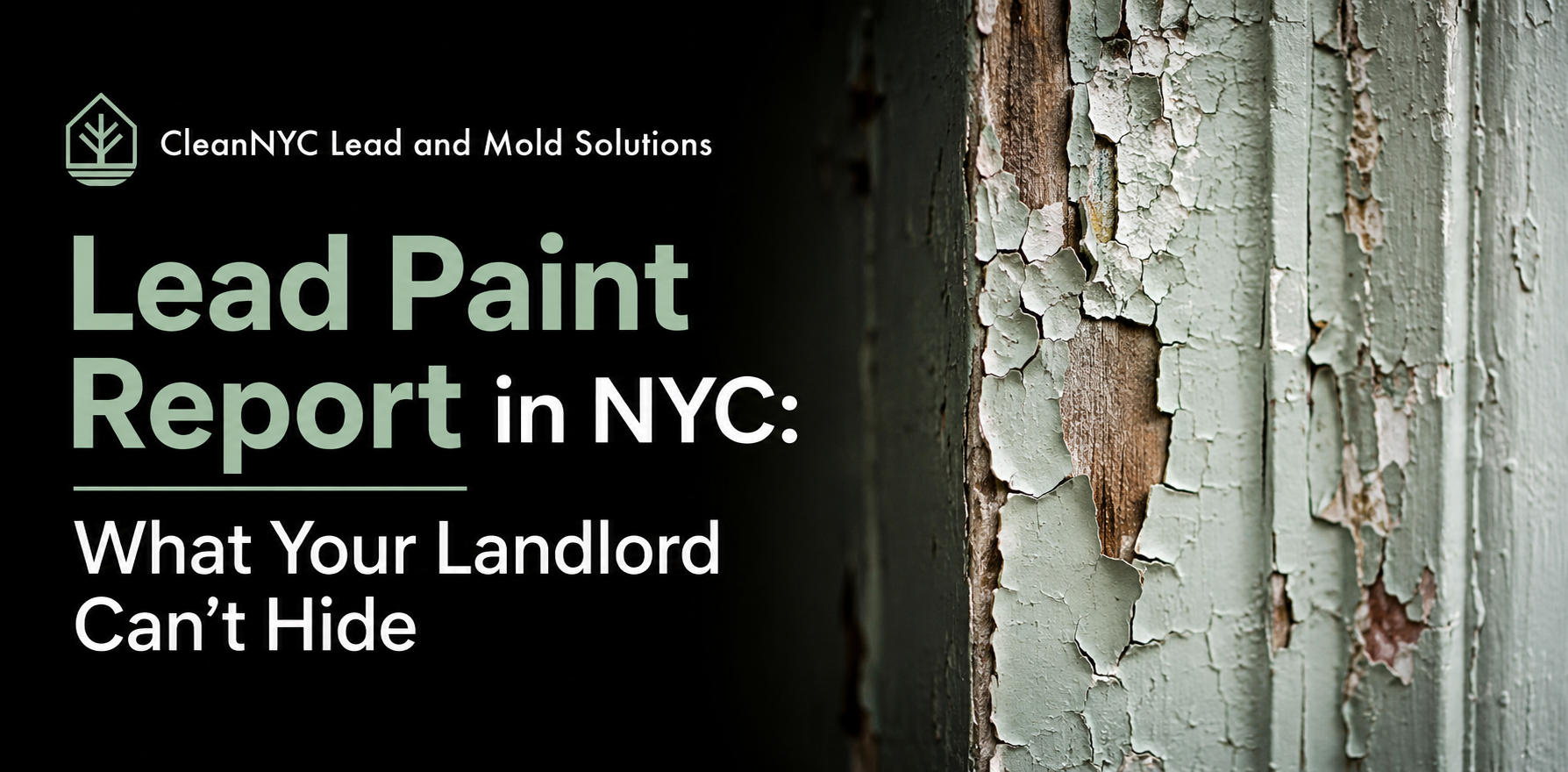
6. Peeling or Chipping Paint Exists Anywhere
Deteriorated paint should never be ignored in older residential properties.
7. Annual Reviews Have Not Been Performed
Regular evaluations help identify concerns before they develop into compliance problems.
What Is Lead Paint Testing?
Lead paint testing is the process of determining whether painted surfaces contain lead and identifying areas that may require additional attention.
Rather than relying on assumptions, testing provides property owners with objective information about the materials present throughout a building.
A professional evaluation can help:
- Identify lead-containing surfaces
- Support compliance documentation
- Guide renovation planning
- Reduce liability risks
- Prioritize maintenance efforts
- Establish property condition records
For many landlords, testing serves as the foundation of a proactive risk-management strategy.
Understanding the Lead Paint Inspection Process
A professional lead paint inspection typically involves a systematic evaluation of painted components throughout the property.
Inspectors may assess:
- Interior walls
- Doors and door frames
- Window assemblies
- Baseboards
- Moldings
- Hallways
- Stairwells
- Common areas
- Exterior painted surfaces
The goal is not simply to locate peeling paint but to determine whether lead-containing coatings exist and whether conditions could create future hazards.
Detailed reports generated after an inspection often become valuable records for property management, compliance reviews, financing, and future transactions.
How Modern Lead-Based Paint Testing Works
Today’s lead-based paint testing methods are more efficient and accurate than traditional visual assessments alone.
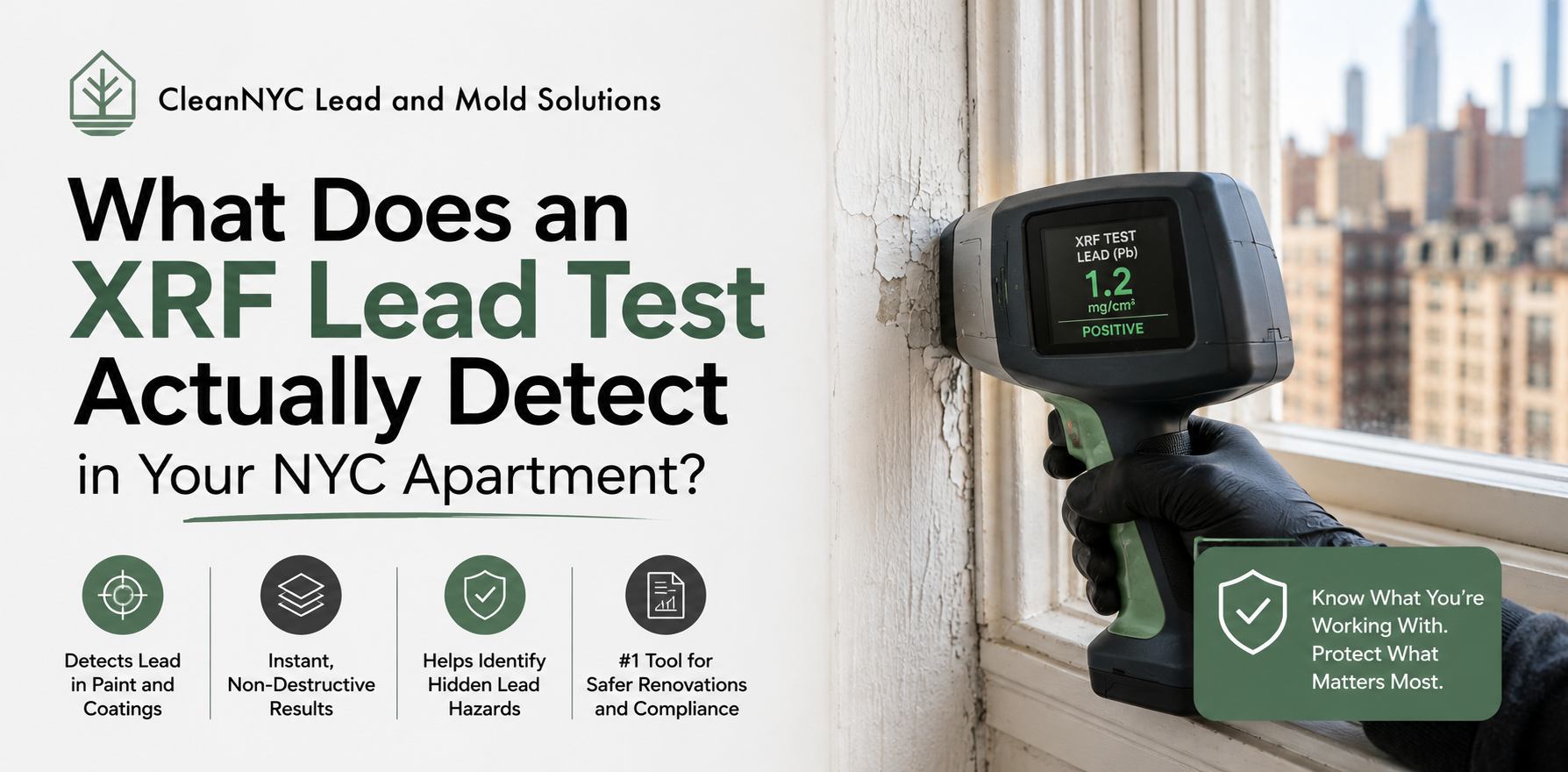
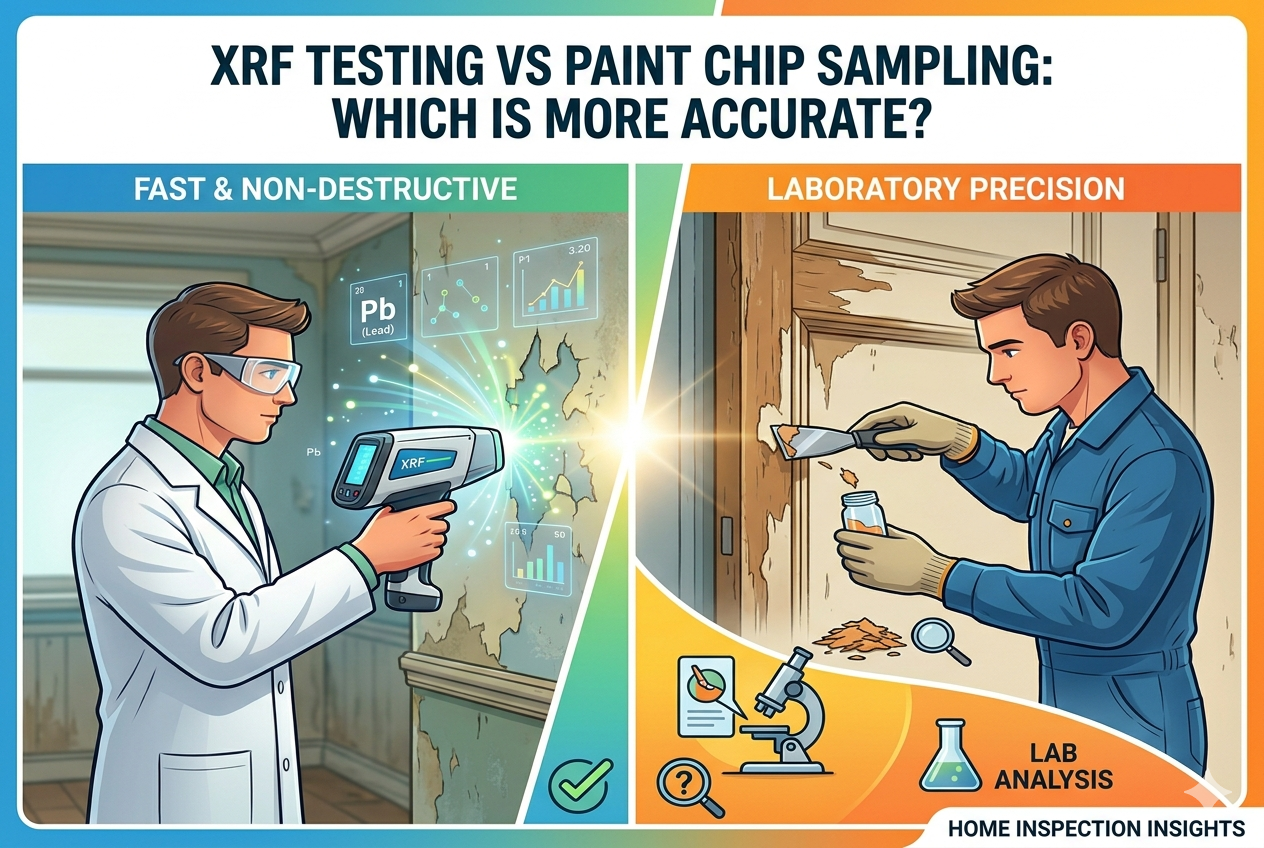
One of the most widely used technologies is X-Ray Fluorescence (XRF) analysis. Our XRF Testing service allows inspectors to evaluate painted surfaces quickly while minimizing disruption to occupants.
Benefits include:
- Accurate Surface Analysis — Testing helps identify lead-containing materials throughout the property.
- Faster Property Assessments — Large numbers of painted components can often be evaluated during a single visit.
- Better Documentation — Comprehensive reporting supports recordkeeping and compliance efforts.
- Improved Renovation Planning — Property owners can make informed decisions before construction begins.
In cases where surface damage requires physical analysis, paint chip sampling provides an additional layer of laboratory-confirmed results to support your compliance records.
Professional testing provides information that visual inspections alone cannot deliver.
Why DIY Test Kits Are Often Insufficient
Store-bought kits may appear convenient, but they rarely provide the level of documentation required for property management decisions.
Common limitations include:
- Limited sampling areas
- Inconsistent results
- User error
- Lack of comprehensive reporting
- Inability to evaluate an entire building
For landlords and building managers, professional lead-based paint testing services generally provide a more reliable understanding of property conditions.
Areas Where Lead Hazards Are Commonly Found
Lead-containing paint can exist in locations that owners rarely suspect.
Windows and Window Frames
Repeated opening and closing can accelerate paint wear and release fine lead particles into household dust.
Doors and Trim
Friction and impact can cause coatings to deteriorate over time, particularly around door edges and frames.
Baseboards and Moldings
Older decorative features often contain multiple historical paint layers that remain invisible to the naked eye.
Stairways and Hallways
High-traffic environments experience more wear than other areas and are frequently flagged during professional inspections.
Exterior Building Components
Weather exposure can contribute to paint deterioration and surface damage, creating outdoor contamination risks.
A thorough inspection examines these areas rather than focusing solely on visible defects. After any abatement work is completed, our dust wipe clearance testing service confirms that lead dust levels are within safe limits before units are reoccupied.
When Should Property Owners Schedule Testing?
The best time to evaluate a property is before concerns arise.
Consider scheduling an assessment when:
- Purchasing an older building
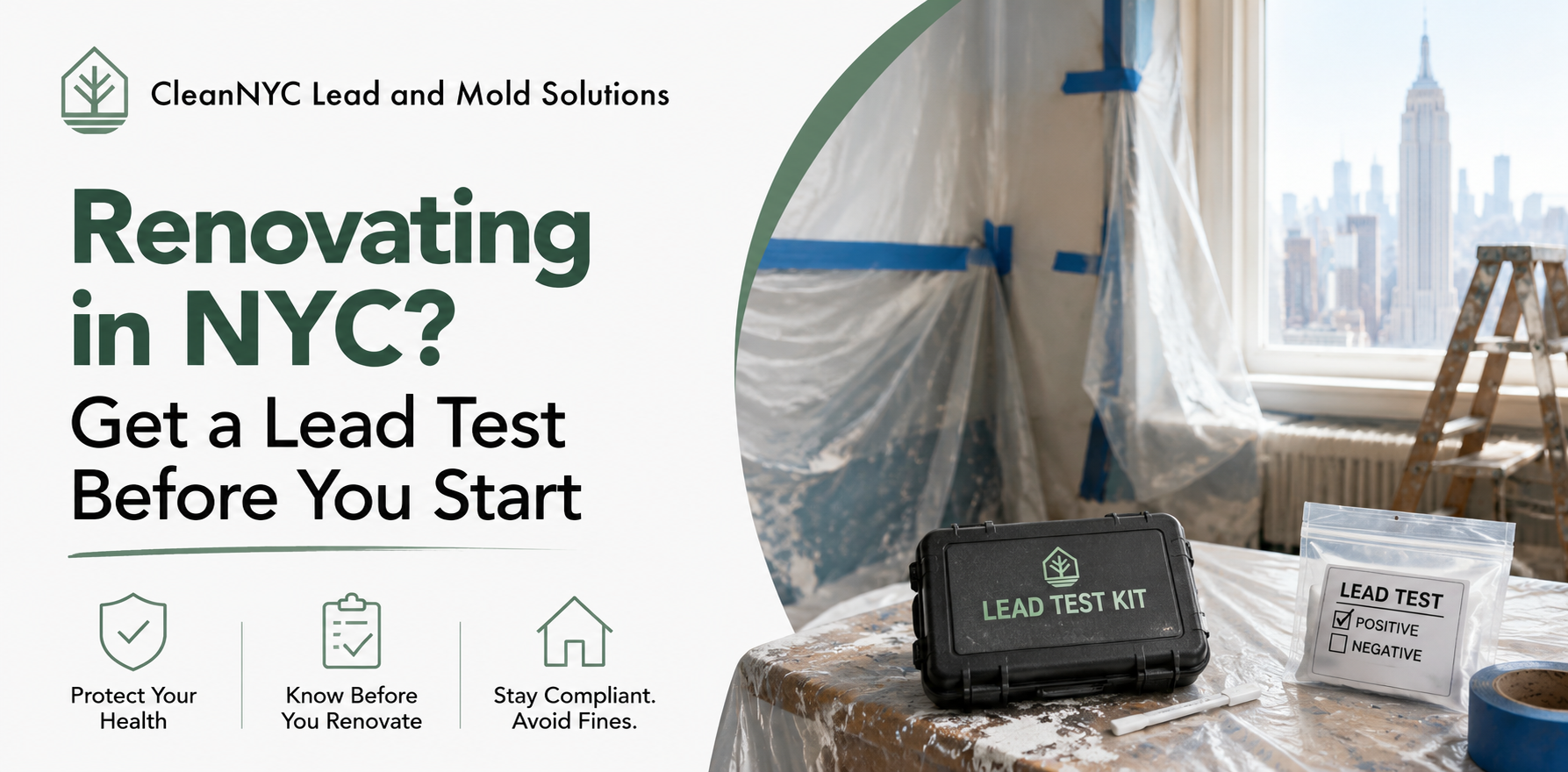
- Planning renovations
- Preparing units for new occupants
- Responding to maintenance concerns
- Updating compliance records
- Managing family-occupied rental units
- Reviewing long-term property risk
Early identification of potential issues is often less expensive than responding to violations after they occur.
The Role of HPD Filings in Compliance
Once testing is complete, property owners must ensure their results are properly submitted. Our HPD filing service handles the documentation and submission process, helping landlords stay audit-ready and avoid penalties tied to missing or incomplete records.
Proper filing creates a compliance trail that protects property owners during HPD audits and tenant-initiated investigations. Many violations arise not from the presence of lead itself but from gaps in required documentation.
Choosing Professional Lead Paint Testing Services
Selecting an experienced provider can make a significant difference in the quality of information you receive.
Look for professionals who offer:
- Experience with NYC residential properties
- Advanced testing technology
- Detailed reporting
- Knowledge of Local Law 1 requirements
- Clear documentation procedures
- Responsive client support
The right assessment partner helps property owners understand conditions, prioritize actions, and maintain proper records. Learn more about our certifications and team background on our Who We Are page.
The Financial Risks of Delaying Action
Waiting until a complaint, inspection, or renovation project uncovers a problem can increase costs substantially.
Potential consequences include:
- Regulatory violations
- Project delays
- Unexpected remediation expenses
- Tenant disputes
- Legal claims
- Increased liability exposure
- Reduced property value
A proactive approach is generally more cost-effective than reacting after issues are discovered. Browse our completed projects to see how NYC property owners have used professional testing to stay ahead of compliance requirements.
Don’t Overlook Water as a Lead Exposure Source
Lead hazards in older buildings are not limited to painted surfaces. Aging plumbing systems can also leach lead into drinking water. According to the CDC’s Childhood Lead Poisoning Prevention program, there is no safe level of lead exposure for children, making it important to evaluate all potential sources in the home. Our water testing service provides certified analysis of drinking water to identify lead contamination from pipes, fixtures, or service lines — an important complement to any full building lead assessment.
Conclusion
Lead paint compliance remains one of the most important responsibilities facing owners of older New York City residential properties. Many buildings that appear problem-free may still contain lead-based paint or documentation gaps that create compliance concerns.
Professional lead-based paint testing, comprehensive inspection procedures, and modern testing technologies help property owners understand property conditions before small issues become major liabilities.
By evaluating your building early, maintaining accurate records, and addressing concerns proactively, you can better protect residents, preserve property value, and meet NYC compliance expectations.