Lead Violation Property Value NYC
You found a buyer. The price is agreed. Then the title report arrives, and one line changes the mood in the room: an open lead violation.
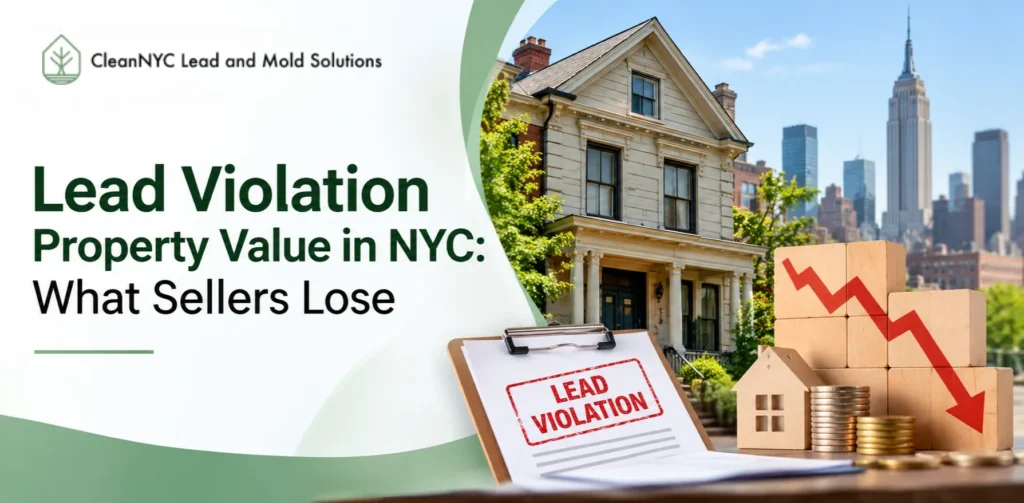
Few things shake a sale like a lead violation property value NYC problem that surfaces late. The violation itself may be fixable. The delay, the lender questions, and the renegotiation usually cost more. This guide shows what a lead violation does to your sale, what NYC law expects from you, and how to protect your price before a buyer’s attorney finds the issue first.
What Does a Lead Violation Do to Property Value in NYC?
An open lead violation lowers what buyers will pay and what lenders will finance. It adds repair costs, delays closing, and hands the buyer negotiating leverage. No official dataset sets a standard discount, so the real hit depends on your building, the violation, and how fast you respond.
That last part matters. Sellers who arrive with clean records, current testing, and a closed violation negotiate from strength. Sellers who arrive with surprises negotiate from a folding chair.
How Open HPD Violations Reach Your Buyer
Anyone can look up a building’s violation history through the city’s HPD Online database. Buyers’ attorneys do it before they draft a single counteroffer. So assume your buyer will see every open item.
HPD sorts violations into three classes: A (non-hazardous), B (hazardous), and C (immediately hazardous). Lead-based paint hazard violations fall under Class C, and owners get 21 days from the date of service to correct them, according to HPD’s violation guidance.
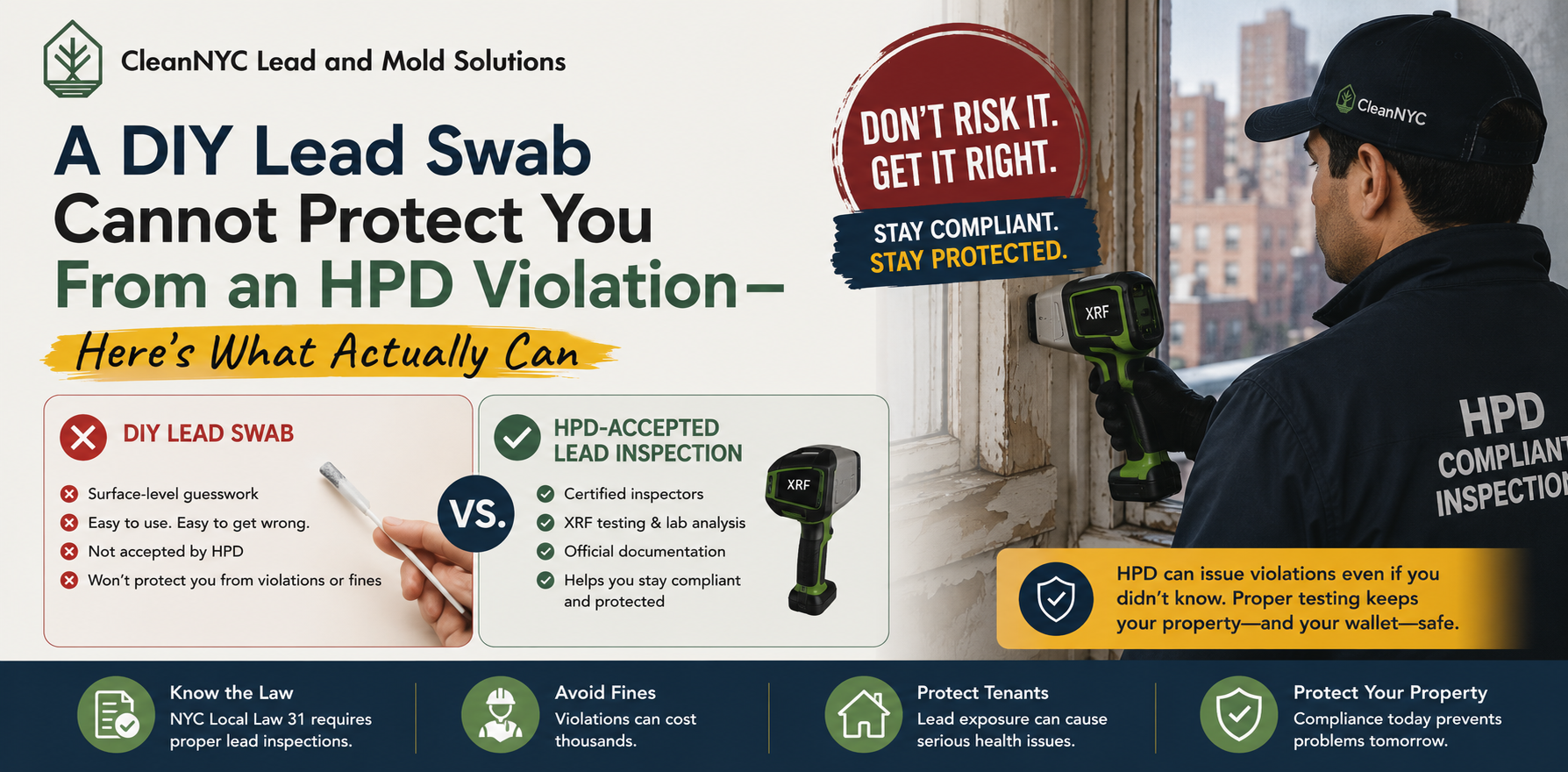
Closing a lead violation also takes more than a quick sign-off. HPD says lead-based paint violations carry additional clearance requirements. A title insurer bulletin adds that HPD requires documented XRF testing evidence to clear lead violations issued after August 9, 2025. In plain terms, paperwork now decides whether a violation stays open.
What Happens If the 21 Days Pass?
Nothing good. Owners can ask HPD for extra time to correct a lead violation, but silence is not a strategy. An uncorrected Class C violation can trigger HPD’s Emergency Repair Program, which leads to the next problem.
Lead Violation Lien: When a Repair Bill Becomes a Debt on the Building
If an owner does not correct an immediately hazardous condition, HPD can send its own contractor and bill the property. If the owner leaves that bill unpaid, it becomes a tax lien against the property.
Here is why that matters for a sale:
- A lien commonly appears in a title search, so your buyer’s attorney will find it.
- Buyers and lenders typically want liens cleared at or before closing, which shrinks your net proceeds.
- Emergency repair charges can carry administrative fees on top of the contractor’s bill.
Check your Department of Finance statement of account before you list. A surprise charge is far cheaper to find on your own schedule than at the closing table.
Appraisal and Financing Delays: How Lenders React
Lenders run due diligence to protect their collateral. When they see open hazardous violations, they have a reason to pause, ask questions, or require a fix before funding.
Professionals who handle these closings report that open Class B and Class C violations, especially lead paint, can affect financing and may need resolution before closing. Even when a deal survives, the delay carries a price. Every extra week means another round of mortgage payments, taxes, and insurance on a building you meant to sell.
Buyers lose patience too. A calm buyer on day one becomes a nervous buyer on day forty.
Sale Price Reduction: Where the Money Actually Goes
When a lead violation surfaces, the price rarely drops in one neat move. It leaks away in pieces:
- Testing and retesting: XRF inspections, plus clearance dust wipe sampling after any lead work.
- Correction costs: repairing deteriorated paint with lead-safe work practices.
- Credits and holdbacks: buyers ask you to fund fixes they do not want to manage.
- Carrying costs: mortgage, taxes, and insurance while closing slides.
- Lost buyers: some walk away rather than inherit an open violation.
Buyers are polite until they find a violation. Then they turn into mathematicians. Every unknown becomes a line item, and unknowns get rounded up.
You cannot control how a buyer counts. You can control how many unknowns you leave on the table.
Local Law 31 Compliance: The Paperwork Buyers Now Expect
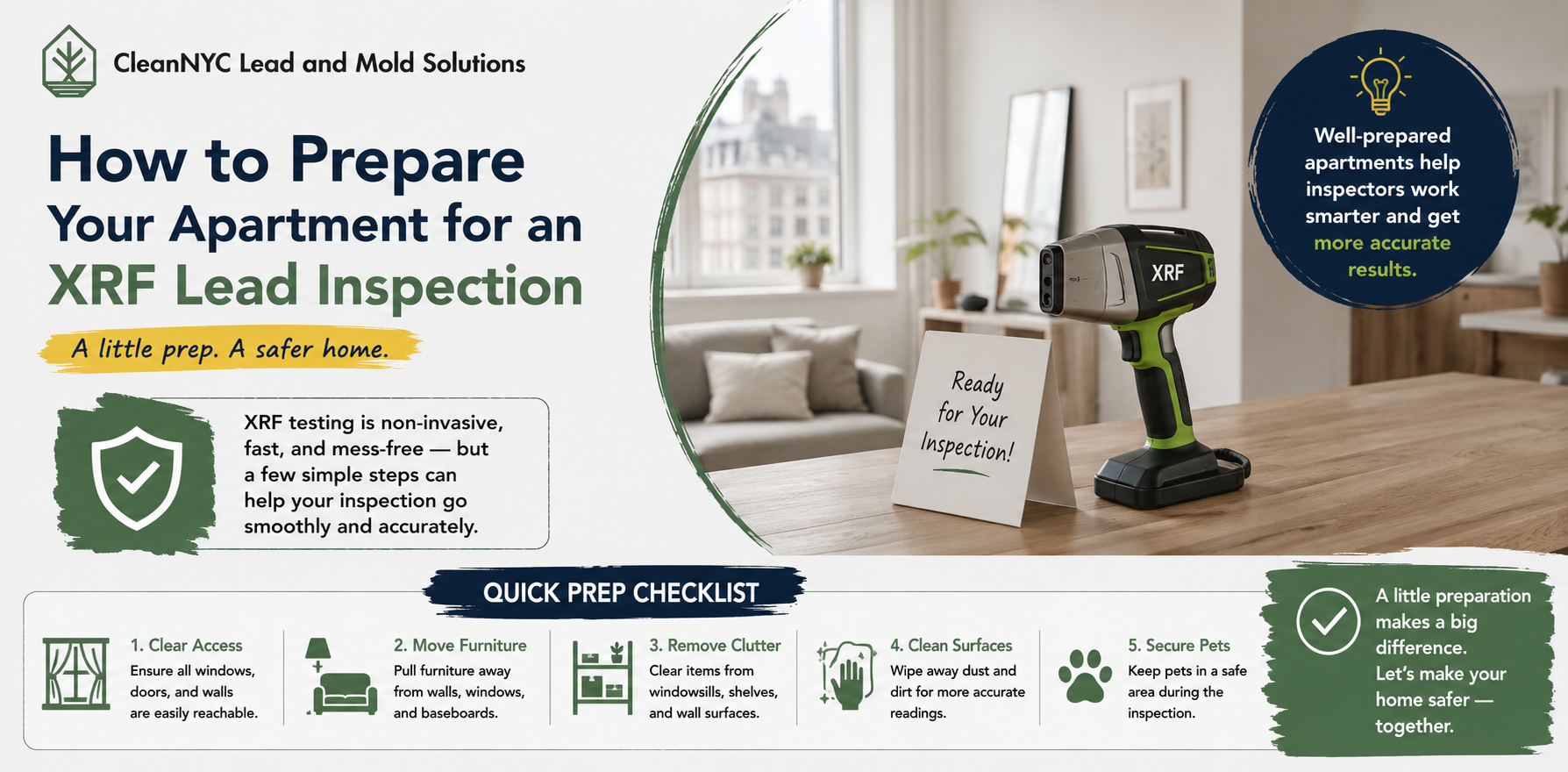
Local Law 31 of 2020 required owners of pre-1960 buildings to test each dwelling unit for lead-based paint with an X-ray fluorescence (XRF) analyzer. The requirement also reaches buildings from 1960 to 1978 where the owner knows lead-based paint is present. Local Law 111 of 2023 added common areas. The deadline was August 9, 2025, and it has passed. HPD explains the requirement on its testing page.
Three details matter for sellers:
- An EPA-certified inspector or risk assessor must do the testing, independent of the owner and of any firm hired to remove lead paint.
- HPD’s lead-based paint threshold is 0.5 mg/cm², lowered from 1.0 mg/cm² on December 1, 2021.
- Paint in pre-1960 buildings is presumed lead-based under Local Law 1 until testing proves otherwise.
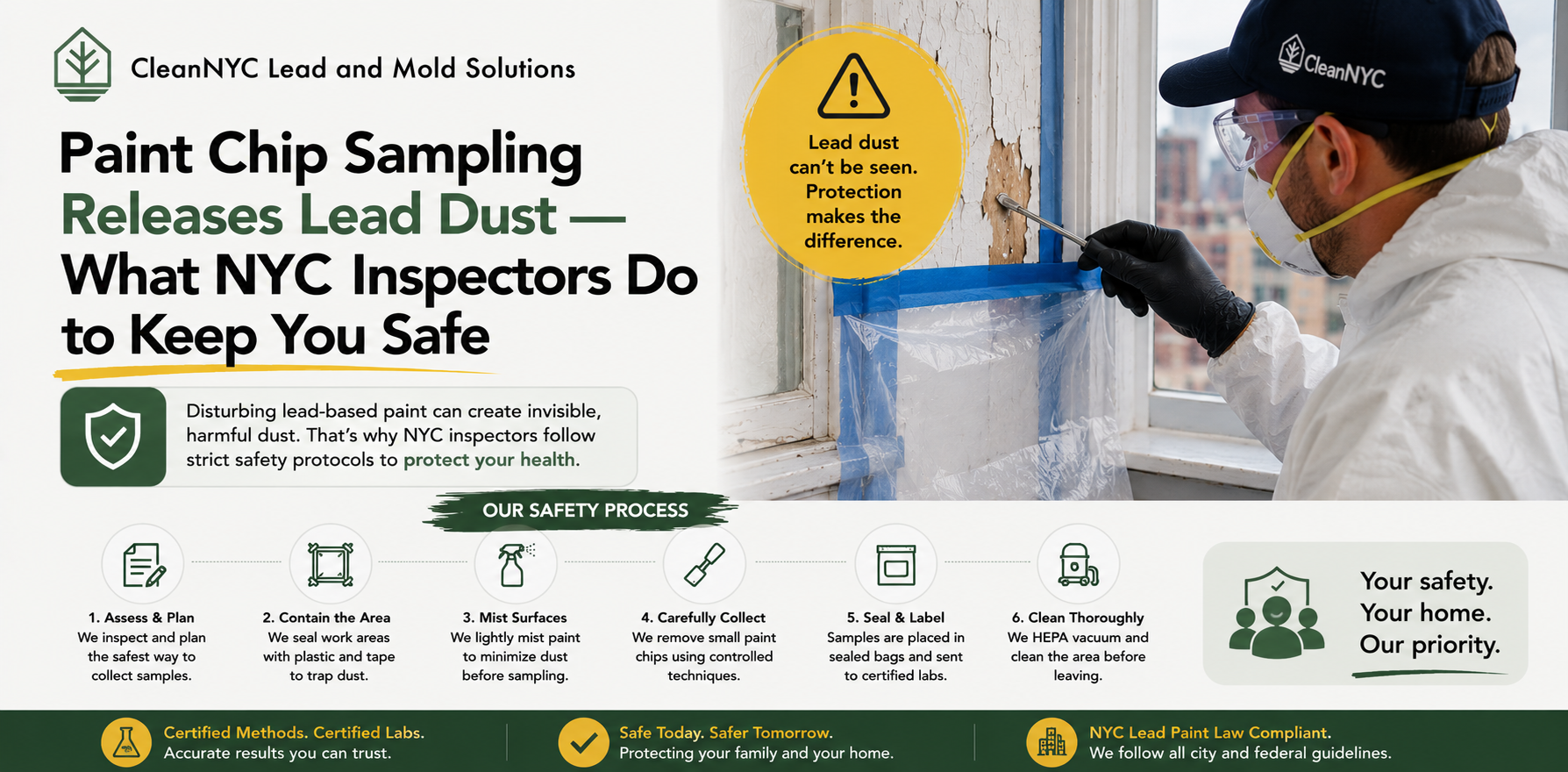
A seller without testing records leaves that presumption in place, and buyers price it in. A certified XRF testing report replaces the presumption with facts. When a specific surface needs laboratory confirmation, paint chip sampling sends a physical sample to a lab.
Lead Exemption Filing: Turning a Test Result Into a Selling Point
If testing shows a unit or common area is free of lead-based paint, or the owner permanently removed or encapsulated it (not every surface can be encapsulated), the owner may file for an exemption with HPD.
For a seller, a lead exemption filing works like a clean bill of health. It tells buyers and lenders the question has an answer. Keep every testing record, because records matter later. Since August 2025, an owner who receives a lead-based paint hazard or turnover violation must send annual notice records, lead investigation records, and XRF testing records to HPD within 45 days under Local Law 122 of 2023. Confirm current requirements with HPD before you rely on any summary, including this one.
Federal Disclosure: What You Must Tell Buyers
Federal law adds a second layer. For most housing built before 1978, sellers must disclose known lead-based paint and lead-based paint hazards, share available reports, and give buyers the EPA pamphlet Protect Your Family From Lead in Your Home. Sellers must also offer buyers a 10-day window to inspect, which buyers may waive, and must keep signed disclosures for three years, per the EPA.
The rule does not force you to remove lead paint. It forces you to be honest about what you know. Hiding a known violation is the fastest way to turn a price negotiation into a legal problem.
Why Buyers Care So Much About Lead
Beyond money, there is a health reason. The CDC states that no safe blood lead level has been identified in children, and even low levels link to developmental delays, learning difficulties, and behavioral issues. Children under six face higher exposure risk because of hand-to-mouth behavior, according to the CDC. Serious buyers know this, and they price accordingly.
A Seller’s Action Plan Before You List
- Check for liens. Review your Department of Finance statement of account for emergency repair charges.
- Gather Local Law 31 records. Locate XRF reports, annual notices, and any exemption filings.
- Close testing gaps. Hire an independent, EPA-certified inspector for any missing units or common areas.
- Fix hazards the right way. Use lead-safe work practices, then confirm the result with dust wipe clearance testing.
- File for exemption where eligible. Follow HPD’s process and keep copies.
- Build a disclosure package. Combine reports, records, and the EPA pamphlet.
- Loop in your attorney early. Let counsel decide how your contract handles open items.
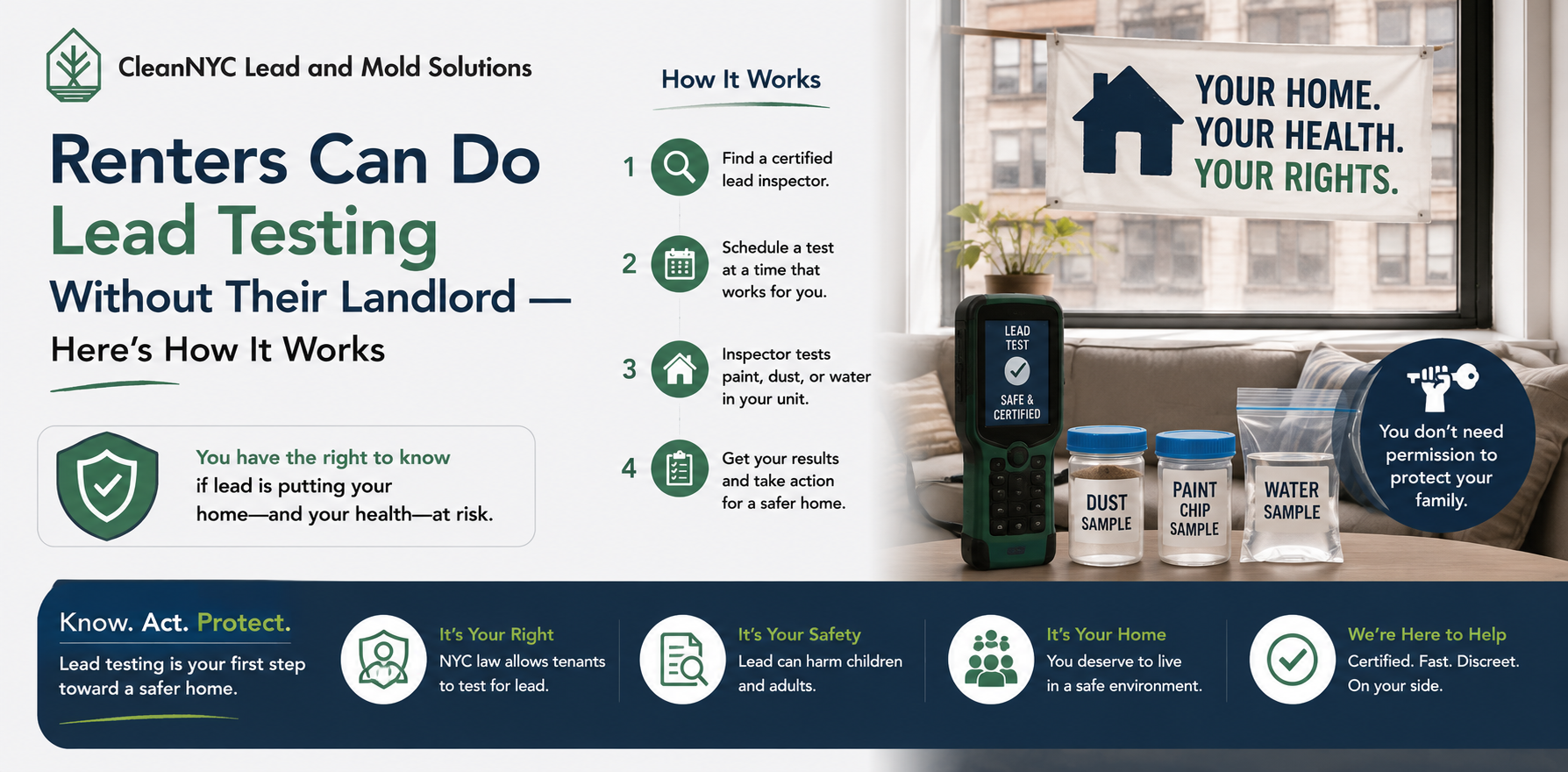
CleanNYC Lead and Mold Solutions offers XRF testing, paint chip sampling, dust wipe clearance testing, and HPD filing support, so sellers can run several of these steps with one team. You can review our completed projects or learn who we are before you call anyone.
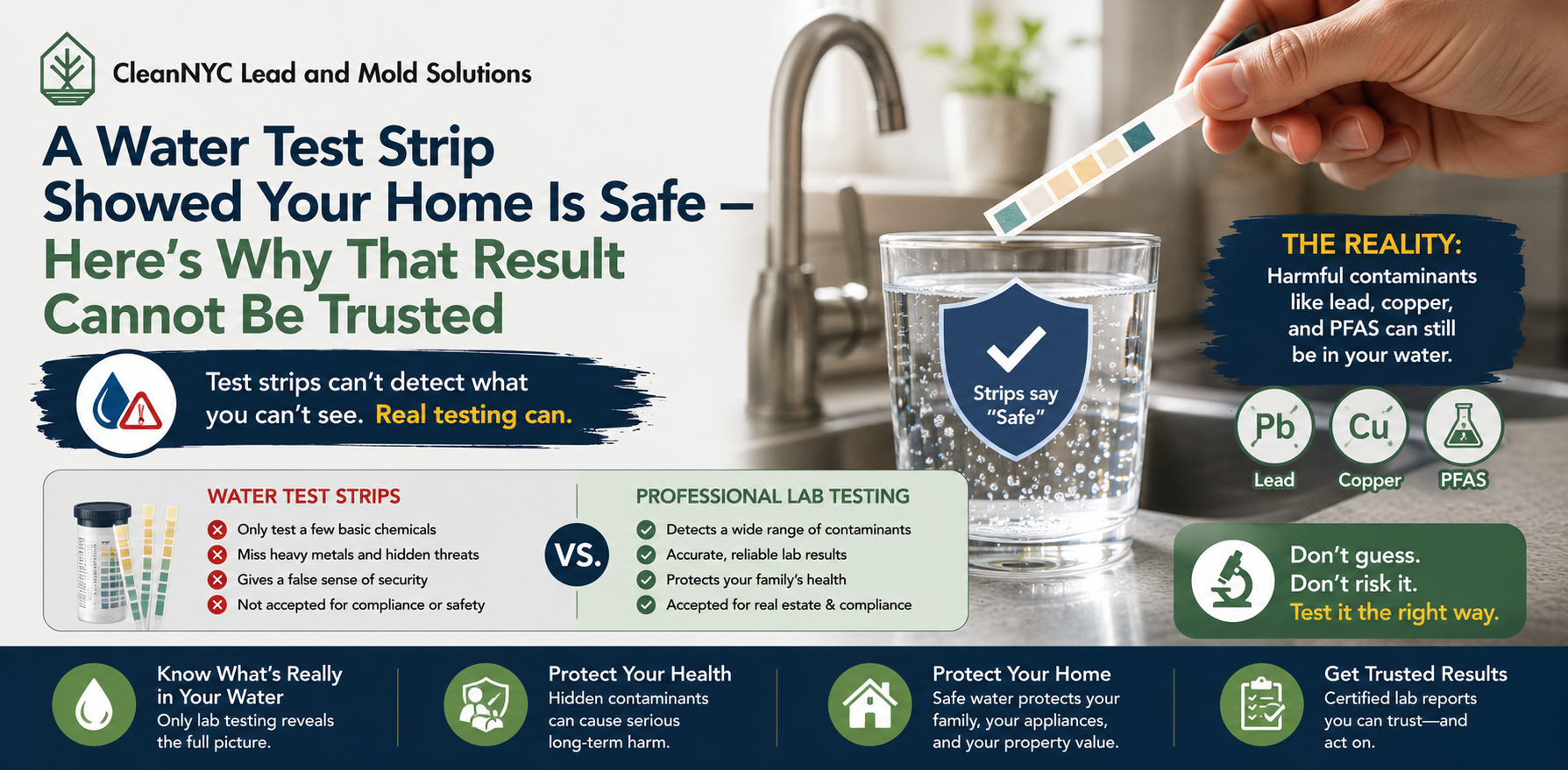
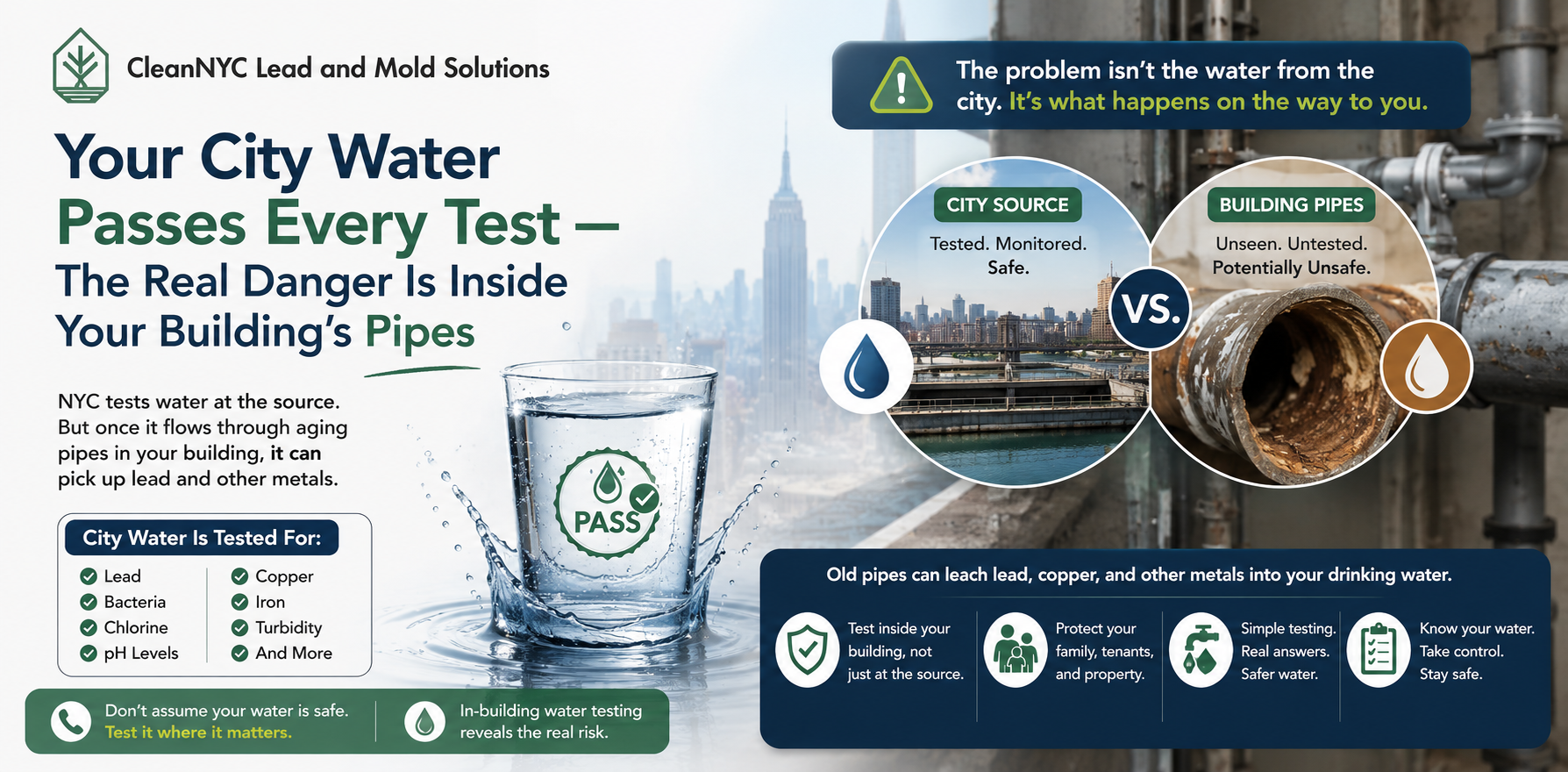
Lead can also travel through plumbing. If a buyer asks about drinking water, water testing answers that question separately from paint.
Frequently Asked Questions
Does a lead violation lower property value in NYC?
Yes, it can. An open violation adds repair costs, financing friction, and negotiating leverage for the buyer. No public dataset sets a standard discount, so the impact depends on your building and how quickly you resolve the violation.
Can I sell a building with open HPD violations?
Sellers can generally list a property with open violations, but buyers and lenders will see them. Expect price talks, credits, or closing conditions. Ask your real estate attorney how your contract should handle them.
What is a lead violation lien?
It is a tax lien that can arise when HPD makes emergency repairs on a property and the owner leaves the bill unpaid. The lien attaches to the property, so a buyer’s title search can find it.
Do I need Local Law 31 testing before I sell?
Owners of covered buildings, meaning pre-1960 buildings and 1960–1978 buildings with known lead-based paint, had to complete XRF testing by August 9, 2025. Buyers and lenders will likely ask for those records.
What is a lead exemption filing?
It is a filing with HPD for units or common areas that testing shows are free of lead-based paint, or where the owner permanently removed or encapsulated the lead paint. It documents that the area is resolved.
How long do I have to fix a lead violation?
HPD lists 21 days from the date of service for Class C lead-based paint violations. Owners can request more time from HPD. Clearing the violation requires steps beyond the usual free certification.
Must I disclose lead paint when selling a pre-1978 home?
Yes. Federal law requires sellers of most pre-1978 housing to disclose known lead-based paint information, provide available reports and the EPA pamphlet, and allow a 10-day inspection window that buyers may waive.
Protect Your Price Before the Buyer Finds the Problem
A lead violation rarely kills a deal on its own. Surprises do. Understanding lead violation property value NYC risk is step one. Documentation is step two. Sellers who check their HPD record early, document Local Law 31 compliance, clear liens, and disclose honestly give buyers fewer reasons to discount. Start with your records, and start before the first showing.
About the Author
This article was prepared by the content team at CleanNYC Lead and Mold Solutions, an NYC environmental inspection company that supports property owners with lead and mold testing. It shares general information from HPD, EPA, and CDC sources and is not legal advice. Confirm your specific obligations with HPD and a licensed NYC real estate attorney.