Lead Paint Due Diligence in NYC
You’re three weeks from closing on a six-unit walk-up in Ridgewood. The building went up in 1954. Your attorney mentions, almost in passing, that someone needs to check the lead paint records before you sign anything. That “someone” is you, and the checklist is longer than most buyers expect.
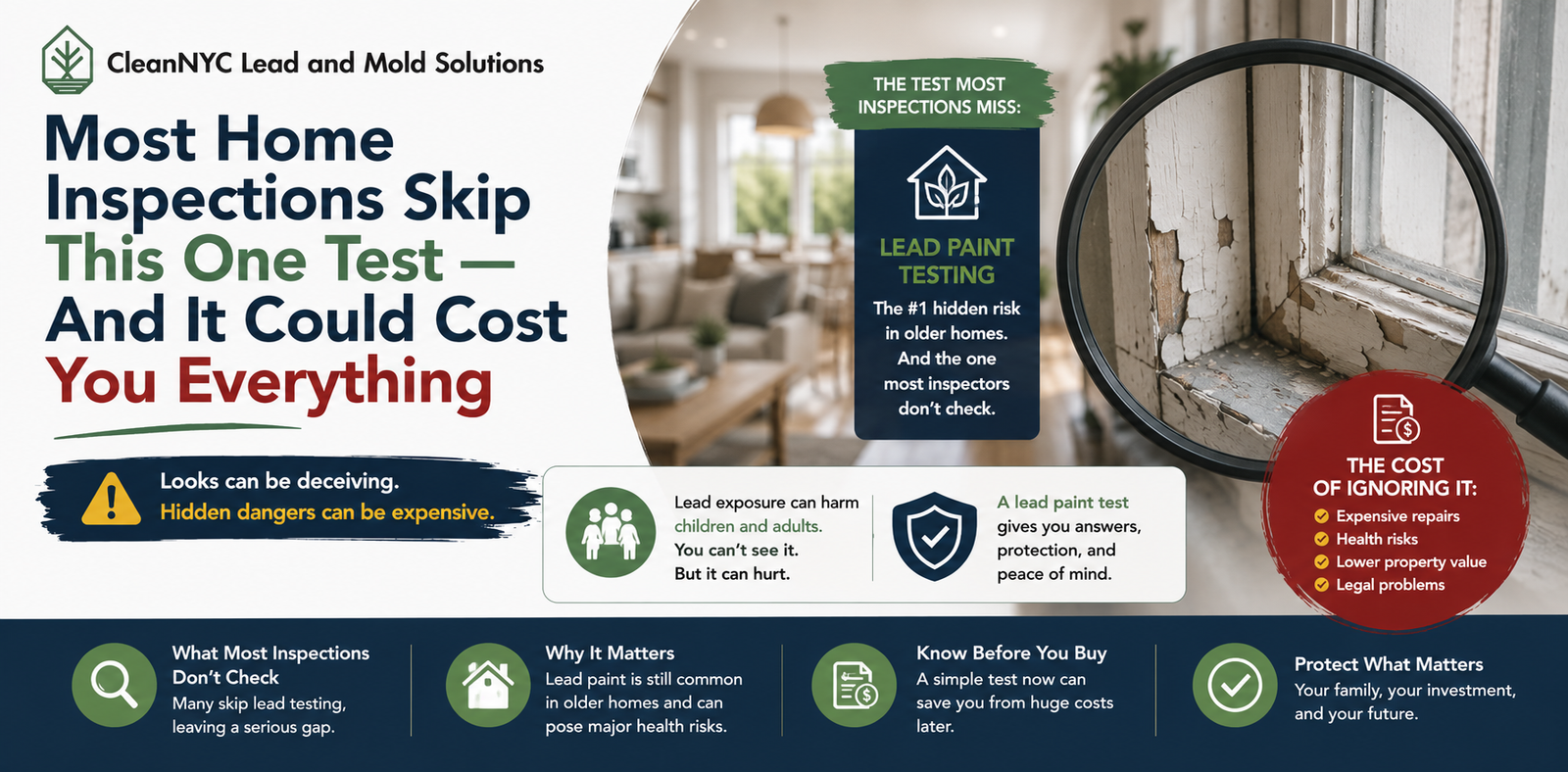
Lead paint due diligence in NYC isn’t a formality anymore. It’s a line item that can delay a closing, kill a mortgage approval, or hand a new owner a violation history they didn’t sign up for. Pre-1960 buildings carry a legal presumption of lead-based paint, and that presumption follows the deed, not the seller.
This guide walks through exactly what to check, in what order, and why each step matters — whether you’re buying, selling, or refinancing a pre-1960 New York City building.
Quick answer: Lead paint due diligence in NYC means confirming three things before closing on a pre-1960 building — the property’s Local Law 31 XRF testing status, its open HPD violation history, and a signed federal lead disclosure statement. Skip any one of the three, and the risk transfers to the new owner at closing.
What Lead Paint Due Diligence in NYC Actually Covers
Lead paint due diligence is the process of confirming a building’s lead-based paint status, testing history, and violation record before money changes hands. For pre-1960 New York City buildings, this touches three overlapping layers of law.
First, federal law. Under the Lead-Based Paint Disclosure Rule, sellers of housing built before 1978 must disclose known lead hazards. They must also give buyers a copy of the “Protect Your Family from Lead in Your Home” pamphlet before signing a contract. Buyers also get a standard 10-day window to test for lead, unless they waive it in writing. This isn’t a New York quirk — it’s federal, and it applies everywhere pre-1978 housing changes hands.
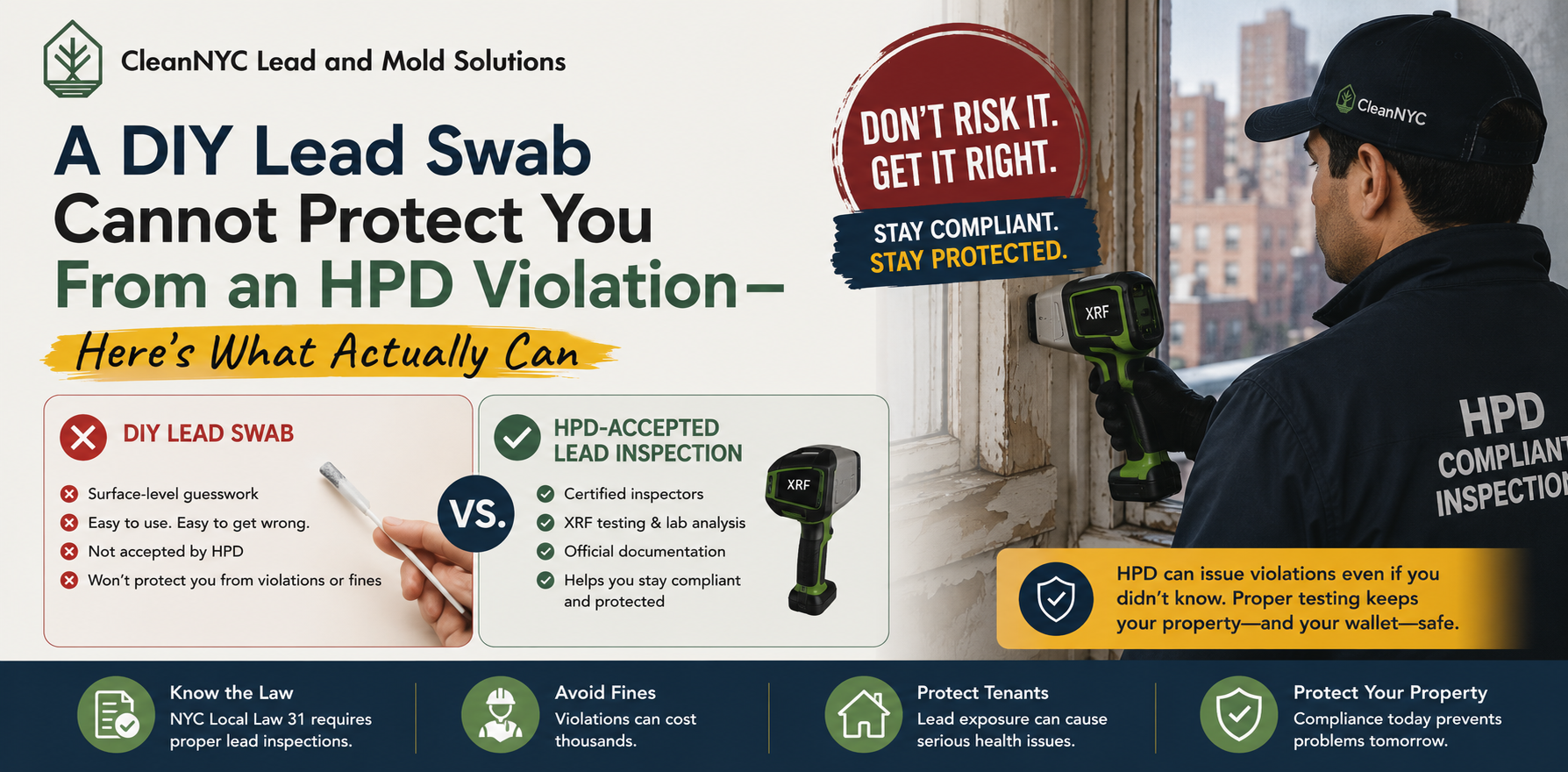
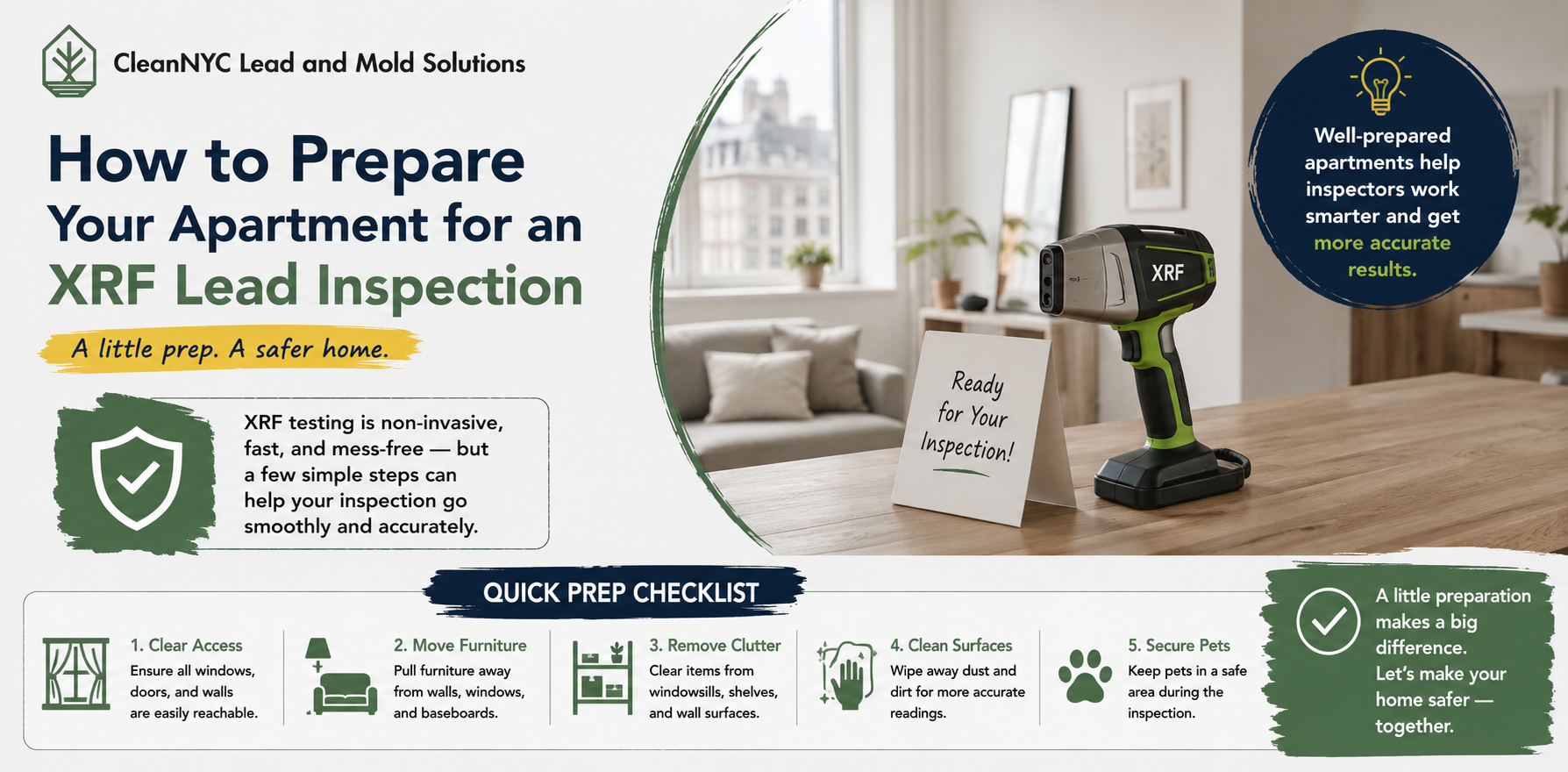
Second, city law. Local Law 1 of 2004 presumes lead-based paint exists in any pre-1960 multiple dwelling. It applies to 1960–1978 buildings too, if the owner knows lead paint is present. Local Law 31 of 2020 went further, requiring owners of these buildings to hire an EPA-certified inspector to test every dwelling unit and common area with an XRF (X-ray fluorescence) analyzer. That testing deadline was August 9, 2025, and it has passed. That means a building without documented XRF results isn’t behind schedule — it’s non-compliant right now.
Third, enforcement. The NYC Department of Housing Preservation and Development tracks compliance through what it calls the Building Lead Index. HPD uses this index to select properties for audits and to demand ten years of lead-related recordkeeping from owners. That index doesn’t disappear when a building changes hands.
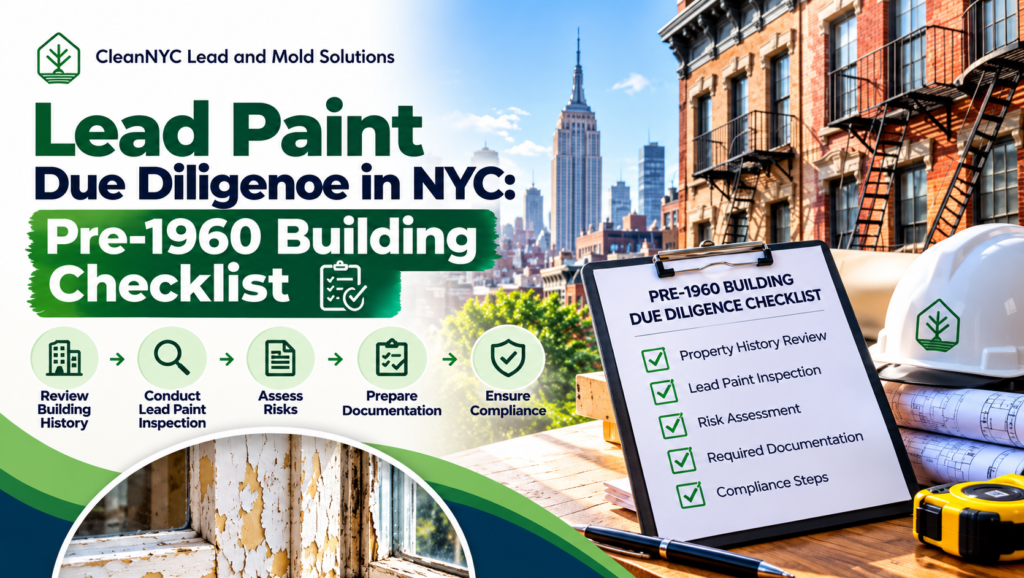
The Pre-1960 Building Checklist
Here’s the order most experienced buyers, sellers, and attorneys actually work through.
1. Pull the HPD Violation History by BBL
Search the building’s Borough-Block-Lot number for open Class A, B, and C violations. Class C violations, which include hazardous lead-based paint conditions, require correction within 24 hours. An open one at closing is a red flag, not a footnote.
2. Confirm Local Law 31 Testing Status
Ask for the XRF inspection report covering every unit and common area. No report means no proof the building is lead-free or lead-safe. That gap becomes the new owner’s problem the day the deed records.
3. Request the Underlying Lab Data Where It Exists
When XRF readings come back inconclusive, some owners send paint chip samples to a lab for a definitive reading. If the seller has this data, it belongs in the closing file.
4. Get the Seller’s Disclosure Statement and Lead Warning Statement
This is the federal piece — a signed statement disclosing known lead hazards, attached to or built into the purchase contract, plus confirmation that the seller provided the pamphlet.
5. Check for Lead Violation Liens in the Title Search
Unpaid HPD penalties tied to lead violations can attach to the property as liens. A standard title search catches recorded encumbrances, but it’s worth confirming with your attorney that lead-specific liens are in scope.
6. Verify Turnover Compliance on Vacant Units
Local Law 1 requires owners to address high-risk surfaces — window and door friction points, for example — whenever a unit turns over, even if the paint looks fine. If an owner vacated and re-rented units without this work, and without dust wipe clearance testing to confirm the space is safe post-work, that’s a gap in the paper trail.
7. Ask About Lead Exemptions on File
If a unit tested lead-free before the 2021 threshold change, that old result no longer counts. HPD requires retesting at the current 0.5 mg/cm² standard.
8. Don’t Stop at Paint
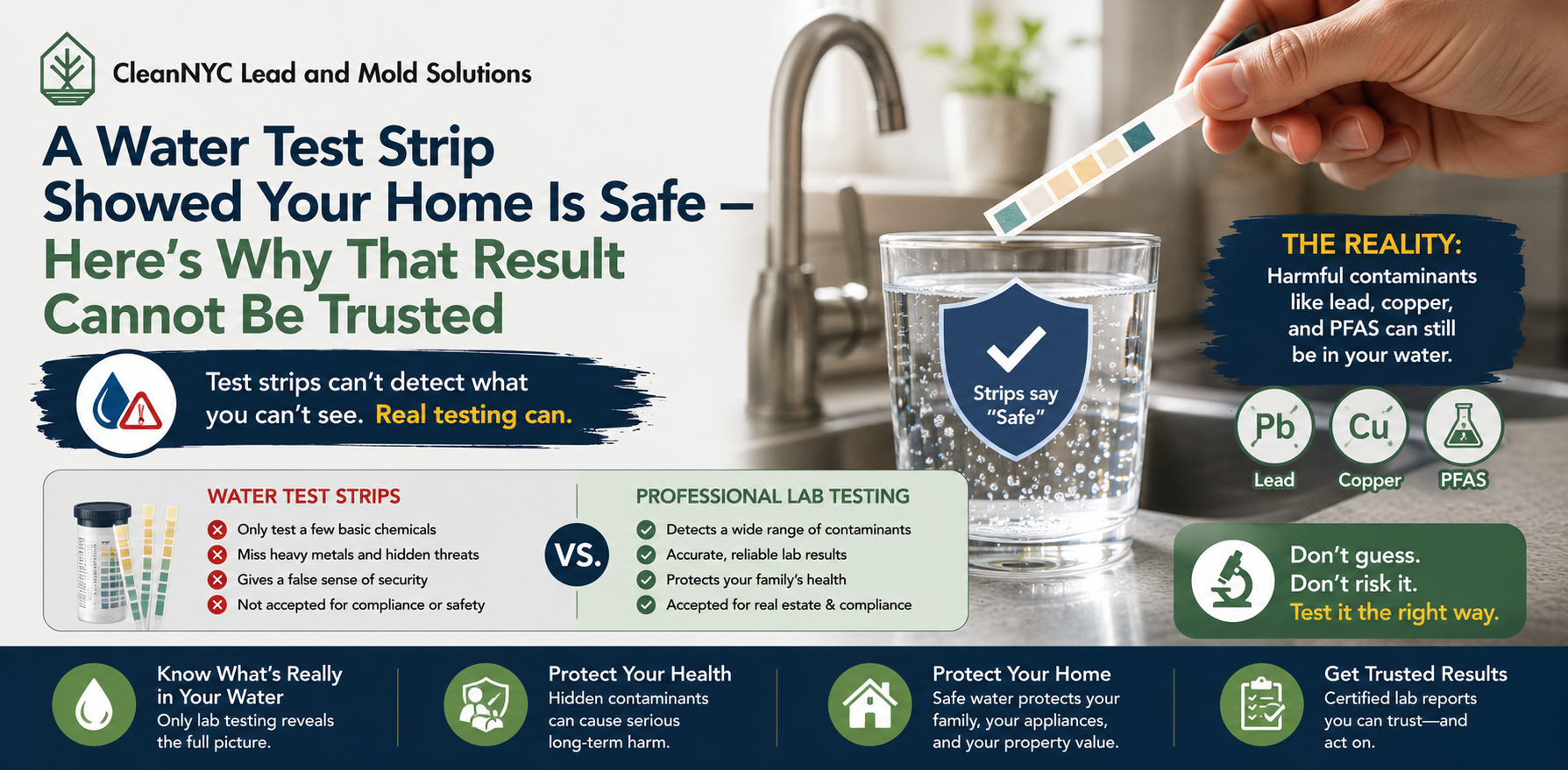
Older plumbing in pre-1960 buildings can also be a lead source through the water supply. A property with a clean paint file but no recent water testing is only half-checked.
What Your Buyer’s Attorney Should Be Doing
A real estate closing checklist for a pre-1960 building looks different from a standard one. Your attorney’s due diligence should include a Department of Buildings and HPD records pull as a matter of course — not something you request only after signing the contract.
Here’s the practical reality: standard title searches catch recorded liens. They generally don’t pull full HPD violation history, open DOB permits, or lead-specific compliance gaps. That’s a separate search. For anything beyond a straightforward one-family purchase, it’s worth doing before you go into contract — while the price is still negotiable, not after.
Ask your attorney three direct questions before signing: Did the seller sign and attach the lead-based paint disclosure? Did you address, waive, or use the 10-day inspection period? Does the HPD record show open lead violations or an unresolved Commissioner’s Order to Abate? If any answer is “we didn’t check,” that’s worth fixing before closing, not after.
Lead Exemption Transfer: What Happens When Ownership Changes
A lead exemption doesn’t automatically travel with a change in management style, but it does travel with the building. If a prior owner secured HPD documentation that a unit is lead-free or lead-safe, that record stays valid for the new owner — provided the owner tested it at the current threshold and the paperwork is intact.
The catch: HPD ties compliance history and any related HPD filings to the property, not the person who filed them. Buy the building, and you inherit whatever compliance status — good or incomplete — comes with it. If the seller can’t produce the exemption paperwork, assume it doesn’t exist and budget for retesting.
The Real Cost of Skipping This Step
Post-closing liability for undisclosed lead hazards isn’t a rare horror story — it’s a predictable consequence of skipping a search that takes a few days. The health stakes are also not abstract: the CDC states that no safe blood lead level exists for children. That’s exactly why NYC treats pre-1960 buildings as presumed hazards rather than waiting for proof.
Fines for Local Law 31 noncompliance run up to $2,000 per violation per day. Lead paint litigation risk doesn’t stay theoretical once a tenant or a child gets involved. A new owner who didn’t know about a hazard is still the owner HPD contacts first, because violations attach to the property, not the person who caused them.
There’s a version of this that sounds dramatic, and there’s the version that actually happens. A buyer closes on a building. An HPD audit follows within a year. The “new owner” excuse doesn’t hold up, because the presumption of lead-based paint was public information the whole time.
Age matters here, and the numbers back it up. According to city data, buildings built before 1940 carry roughly an 87% likelihood of containing lead-based paint. Buildings from 1940 to 1959 sit around 69%, and buildings from 1960 to 1977 drop to about 24%. That’s not a reason to panic over a 1954 building — it’s a reason to test it before you own it instead of after.
A Smart Move for Sellers, Too
None of this cuts one direction. Sellers who get ahead of it — testing before listing, resolving open violations, keeping HPD filings current — close faster and negotiate from a stronger position. A property with a clean, documented lead file is simply less friction at the closing table.
This is where working with a firm that handles the testing and the paperwork together helps. CleanNYC Lead and Mold Solutions has walked property owners across the five boroughs through exactly this kind of pre-sale preparation. The pattern in their completed projects is consistent: buildings that test early spend less time explaining gaps later.
If you’re weighing whether your building needs a fresh look before you list it, sell it, or buy it, a proper lead paint due diligence in NYC review is cheaper up front. It costs far less than waiting for an HPD audit to find the gaps for you.
Frequently Asked Questions
Sources
- NYC Department of Housing Preservation and Development — Lead-Based Paint
- NYC Department of Housing Preservation and Development — Local Law 31 of 2020
- U.S. EPA — Real Estate Disclosures About Potential Lead Hazards
- Centers for Disease Control and Prevention — About Childhood Lead Poisoning Prevention
About the Author
The content team at CleanNYC Lead and Mold Solutions prepared this article. They drew on published NYC HPD guidance, EPA disclosure requirements, and CDC childhood lead exposure research to help property owners and buyers navigate pre-1960 building compliance in New York City.