Clean drinking water is something most people take for granted—until there’s a problem. Whether you live in a city apartment or a suburban home, the quality of your tap water directly impacts your health, appliances, and overall peace of mind. Many homeowners and property managers are now turning to water testing to ensure their water is safe, compliant, and free from harmful contaminants.
Why Water Testing Matters More Than Ever
Water may look clean, but that doesn’t mean it’s safe. Contaminants like lead, bacteria, and chemicals are often invisible and odorless. Even treated municipal water can pick up impurities as it travels through aging pipes.
This is where water testing becomes essential. It helps identify hidden risks before they turn into serious health issues.
In many homes, water quality issues often coincide with other indoor health hazards. For instance, lead exposure from old paint surfaces requires professional lead paint inspection services to detect and address safely. Our team at Clean NYC Lead and Mold Solutions provides comprehensive indoor safety testing across NYC.
Key Reasons to Test Your Water:
- Detect harmful contaminants early
- Ensure compliance with safety regulations
- Protect children and vulnerable individuals
- Maintain plumbing and appliances
- Gain peace of mind about water quality
Ignoring water quality issues can lead to long-term consequences, including health problems and costly repairs.
What Is Water Testing?
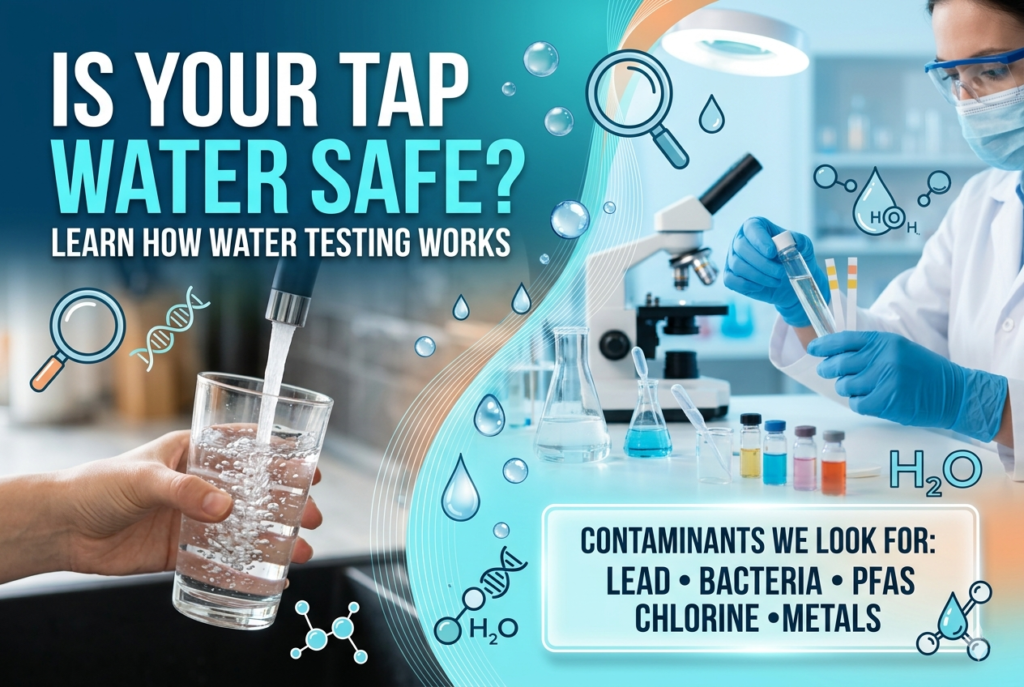
At its core, water testing is the process of analyzing water samples to detect contaminants and measure safety levels. It can be done using basic home kits or through certified laboratories offering professional water testing services. According to the U.S. Environmental Protection Agency (EPA), knowing what is in your water is the first step toward ensuring it meets safe drinking standards.
Testing typically evaluates:
- Chemical contaminants (lead, arsenic, chlorine)
- Biological contaminants (bacteria, viruses)
- Physical properties (pH, turbidity, hardness)
This process ensures your water meets safety standards and is suitable for drinking, cooking, and daily use.
Types of Water Contaminants You Should Know
Understanding what might be in your water helps you choose the right testing method.
1. Chemical Contaminants
These include heavy metals like lead and mercury, as well as pesticides and industrial chemicals. They often enter water through old pipes or environmental runoff. If your property was built before 1960, we strongly recommend pairing water analysis with an XRF testing inspection to check for lead in painted surfaces as well.
2. Biological Contaminants
Bacteria, viruses, and parasites can contaminate water through sewage leaks or poor sanitation systems.
3. Physical Contaminants
Sediment or organic material can affect water clarity and taste, though they may not always be harmful.
4. Radiological Contaminants
Less common but still important, these include radioactive elements that can pose serious health risks.
A thorough water contamination testing process checks for all relevant categories based on your location and water source.
How Water Testing Works: Step-by-Step
Understanding the process makes it easier to take action.
Step 1: Sample Collection
Water is collected in sterile containers, either by homeowners or trained professionals. Proper collection is crucial to avoid contamination.
Step 2: Laboratory Analysis
Samples are sent to a certified lab where advanced equipment analyzes them for contaminants. This is the most accurate form of water quality testing. NSF International provides guidelines on what certified labs should test for and how results should be reported.
Step 3: Results Interpretation
The lab provides a detailed report showing contaminant levels and whether they meet safety standards.
Step 4: Recommendations
Based on results, professionals may suggest filtration systems, pipe replacements, or further testing. If lead is detected in your water supply, it may also be necessary to conduct a paint chip sampling inspection to rule out lead paint as a contributing source within your property.
Home Testing vs. Professional Water Testing
Not all testing methods are equal. Choosing the right one depends on your needs.
Home Test Kits
- Quick and affordable
- Good for basic screening
- Limited accuracy
Professional Water Testing
- Highly accurate and reliable
- Detects a wide range of contaminants
- Provides certified reports for compliance
For critical situations—like real estate transactions or health concerns—professional water testing is strongly recommended. At Clean NYC LMD, our certified professionals deliver accurate, comprehensive results you can trust. Learn more about why testing matters for your home or property.
If contamination is confirmed, it is also worth reviewing your property’s history. Our dust wipe clearance testing service can help verify that lead dust levels are within safe limits after any remediation work.
Common Signs Your Water May Not Be Safe
Sometimes, your water gives subtle clues that something is wrong.
- Metallic or unusual taste
- Discoloration (brown, yellow, cloudy)
- Unpleasant odor
- Residue on fixtures or dishes
- Frequent plumbing issues
If you notice any of these signs, immediate water testing is a smart next step. You should also inspect your property for related hazards—our team of EPA-certified specialists can help assess and identify any structural or environmental risks linked to prolonged water quality issues.
How Often Should You Test Your Water?
Testing frequency depends on several factors:
- Annually: General safety check
- Every 6 months: If you use well water
- Immediately: After plumbing changes or contamination concerns
Regular water quality testing ensures consistent safety and helps catch problems early. The CDC’s water quality guidelines also recommend periodic testing, especially for households with infants, pregnant women, or elderly individuals.
What Do Water Test Results Mean?
Understanding your report is just as important as getting tested.
Key Metrics Explained:
- pH Level: Indicates acidity or alkalinity
- Lead Levels: Should be as close to zero as possible
- Bacteria Count: Must meet safe drinking standards
- Hardness: Affects plumbing and appliances
If any levels exceed recommended limits, corrective action should be taken immediately.
Solutions If Your Water Fails Testing
Failing a test doesn’t mean you’re out of options. In fact, it’s the first step toward fixing the issue.
Common Solutions:
- Install water filtration systems
- Replace old or corroded pipes
- Use reverse osmosis systems
- Schedule regular follow-up testing
A proper water contamination testing plan helps ensure long-term safety. Properties with lead-related compliance requirements should also explore our HPD filing assistance to stay compliant with NYC local laws and avoid fines.
Benefits of Regular Water Testing
Consistent testing offers long-term advantages:
- Improved health and safety
- Better tasting water
- Increased property value
- Reduced maintenance costs
- Regulatory compliance
Investing in water testing is not just about safety—it’s about prevention and peace of mind. Property managers and landlords looking after multiple units in NYC can also explore our completed projects to see our track record of comprehensive lead and water safety inspections.
Professional Water Testing Services in NYC
Additional services include:
XRF testing NYC,
dust wipe clearance testing NYC, and
paint chip sampling NYC.
Final Thoughts
Clean water is essential, but it’s not guaranteed. With rising concerns about infrastructure and environmental contamination, water testing has become a critical step for homeowners, landlords, and businesses alike.
Whether you choose a simple home kit or a certified lab, the important thing is to take action. Regular testing ensures your water remains safe, compliant, and free from hidden dangers. Contact our team today to schedule a professional water testing appointment and take the first step toward cleaner, safer water.
Frequently Asked Questions (FAQs)