Introduction
When it comes to protecting your family or tenants from the dangers of lead exposure, a lead inspection is a crucial step, especially in a state like New York where many buildings are decades or even centuries old. Lead inspections are designed to identify the presence of lead-based paint, dust, soil, or water, which can pose significant health risks, particularly to children. But how much does a lead inspection cost in NY? This article breaks down the factors that influence costs, the types of inspections available, and what you can expect to pay for a thorough lead inspection in the Empire State.
What is a Lead Inspection?
A lead inspection is an evaluation performed to detect the presence of lead in various components of a building, such as paint, dust, water, and soil. These inspections are especially common in older properties, as lead-based paint was widely used before it was banned in residential properties in 1978. If you’re buying an older home, renting out a property, or managing a building, a lead inspection can help you ensure a safe environment and comply with legal regulations.
Why Lead Inspections Are Important in New York
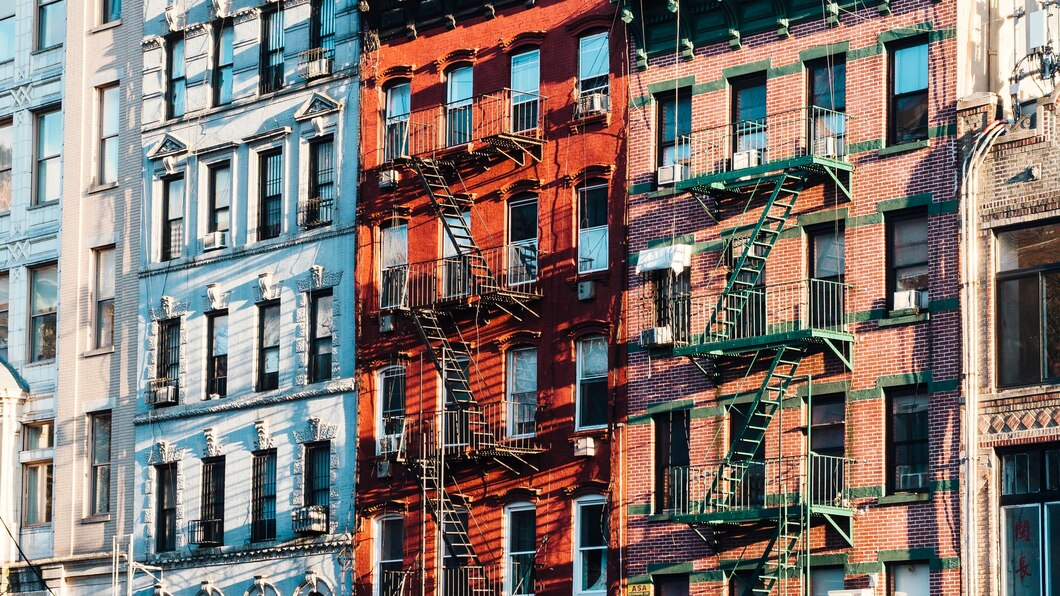
New York has a rich history, reflected in its vast inventory of older buildings. However, this also means that many properties may contain lead-based materials. Lead exposure is particularly dangerous for young children and pregnant women, leading to severe health issues such as developmental delays and neurological damage. In NY, laws require landlords and property managers to address lead hazards, making inspections essential.
Factors Influencing Lead Inspection Costs in NY
- Type of Property: Residential properties usually cost less to inspect than commercial buildings.
- Size of the Property: Larger properties require more time and resources.
- Age of the Building: Older buildings require more detailed inspection.
- Inspection Scope: Full inspections cost more than basic checks.
- Location: Costs vary between NYC and rural areas.
Average Cost of Lead Inspections in NY
On average, a lead inspection in New York can cost anywhere from $300 to $600 for a standard residential property. This price can go higher for larger homes or commercial properties.
Types of Lead Inspections and Their Costs
Visual Inspection
- Cost: $200 to $400
- Description: Basic check for visible damage.
XRF (X-ray fluorescence) Testing
- Cost: $300 to $700
- Description: Uses an XRF device for accurate detection.
Dust Wipe Testing
- Cost: $150 to $400
- Description: Tests dust contamination.
Water and Soil Testing
- Cost: $200 to $500
- Description: Checks water and soil safety.
Additional Costs to Consider
- Inspection Report Fees
- Follow-up Inspections
- Lead Clearance Testing
Lead Inspection Cost by Property Type
- Single-Family Homes: $300 to $600
- Multi-Family Units: $400 to $900
- Commercial Properties: $500 to $1,500+
How to Save on Lead Inspection Costs
- Bundling Services
- Negotiating
- Government Programs
Hiring a Lead Inspector in New York
- Certifications
- Experience
- Reviews
The Role of New York State and Local Regulations
In New York, laws require inspections for older rental properties. Non-compliance can lead to fines.
Financial Assistance and Subsidies
Programs are available for low-income households and landlords.
Common Myths About Lead Inspections
- Myth: Too expensive → Fact: Worth the safety
- Myth: Only old homes → Fact: New homes can also be affected
The Long-Term Benefits of Lead Inspections
Protects health, saves money, and increases property value.
Conclusion
Lead inspections are essential for safety and legal compliance in New York.