In many older New York City buildings, the source of contamination is not always visible on walls or ceilings. Pipes, fixtures, and aging plumbing systems can quietly affect the quality of water flowing from every tap in the building. That is why professional water testing has become an essential part of property safety evaluations across New York City, especially in residential buildings where occupants depend on reliable drinking water every day.
For landlords, property managers, co-op boards, condominium associations, homebuyers, and tenants, understanding what water testing actually measures and why sampling methods matter can help prevent long-term exposure to contaminants that are impossible to detect without laboratory analysis.
Why Water Quality Is a Building-Level Concern in NYC
New York City’s municipal water supply is regularly monitored and considered high quality by national standards. However, according to the NYC Department of Environmental Protection, water can absorb lead and other contaminants from the internal plumbing of a building after it leaves the city’s distribution system. This means the condition of a building’s own pipes, fixtures, and service lines can directly affect what occupants actually consume at the tap.
Older NYC buildings present a heightened risk because they were constructed decades before modern plumbing standards were introduced. Pipes, solder, and fixtures installed in pre-war and mid-century properties may contain materials that influence water quality, particularly during periods when water sits stagnant inside the plumbing system overnight or over extended periods.
What Does Water Testing Actually Measure?
Professional water quality testing analyzes samples collected from residential and commercial taps and evaluates them for a range of potential contaminants. Laboratory analysis can identify what is present in water that occupants are actually consuming rather than relying on visual inspection or assumptions about plumbing age.
Common contaminants evaluated during drinking water analysis include:
- Lead released from pipes, solder, and plumbing fixtures
- Copper from pipe corrosion
- Iron and manganese affecting taste and water appearance
- Bacterial contamination related to system integrity
- Sediment and particulates from aging infrastructure
- Additional chemical contaminants depending on property history
Because these substances are invisible, odorless, and tasteless in most concentrations, laboratory testing is the only reliable method for identifying contamination. The EPA’s Lead in Drinking Water program confirms that testing is the only certain way to determine whether harmful lead levels are present in tap water.
Understanding First Draw vs. Flushed Water Sampling
One of the most important distinctions in professional water quality testing involves when and how samples are collected. Two primary methods are used in residential and commercial property evaluations: first draw sampling and flushed sampling.
First Draw Water Sampling
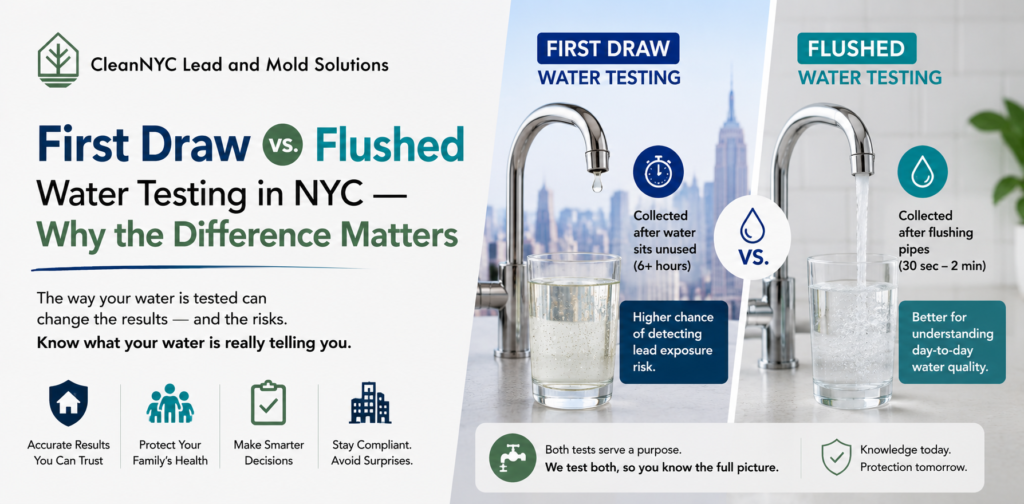
First draw sampling collects water that has remained stagnant in pipes and fixtures for several hours, typically overnight before any water use begins. Because the water has been sitting in contact with plumbing materials for an extended period, it may contain higher concentrations of contaminants that have leached from those surfaces.
This method is especially useful for evaluating lead exposure risk in older buildings, identifying metals released from fixtures and pipe connections, and understanding what occupants may encounter when using water first thing in the morning. In many residential settings, first draw results reflect the realistic conditions most relevant to daily occupant exposure.
Flushed Water Sampling
Flushed sampling collects water after the tap has been running long enough to clear standing water from the interior plumbing. This method evaluates water quality after stagnation has been eliminated and fresher water has moved through the system.
Comparing first draw and flushed results helps environmental professionals determine whether contamination originates from a building’s internal plumbing components or from an upstream source. When both samples are collected, the results provide a much more complete picture of water conditions throughout the property.
Why Lead in Drinking Water Remains a Concern
Lead exposure through drinking water is a serious public health concern in older residential buildings. According to the EPA’s Basic Information about Lead in Drinking Water, lead can enter water supplies when plumbing materials containing lead corrode, particularly in systems where water has high acidity or low mineral content that accelerates corrosion.
The CDC’s Childhood Lead Poisoning Prevention program notes that children are especially vulnerable to the health effects of lead exposure, which can affect development, learning, and long-term health outcomes. Because lead contamination in water is invisible and undetectable without testing, professional sampling is essential for properties where children are present.
Properties that may carry elevated risk include buildings with pre-1986 plumbing that contains lead solder, older service lines connecting buildings to the water main, fixtures installed before modern lead-free standards, and systems that experience extended periods of low water use.
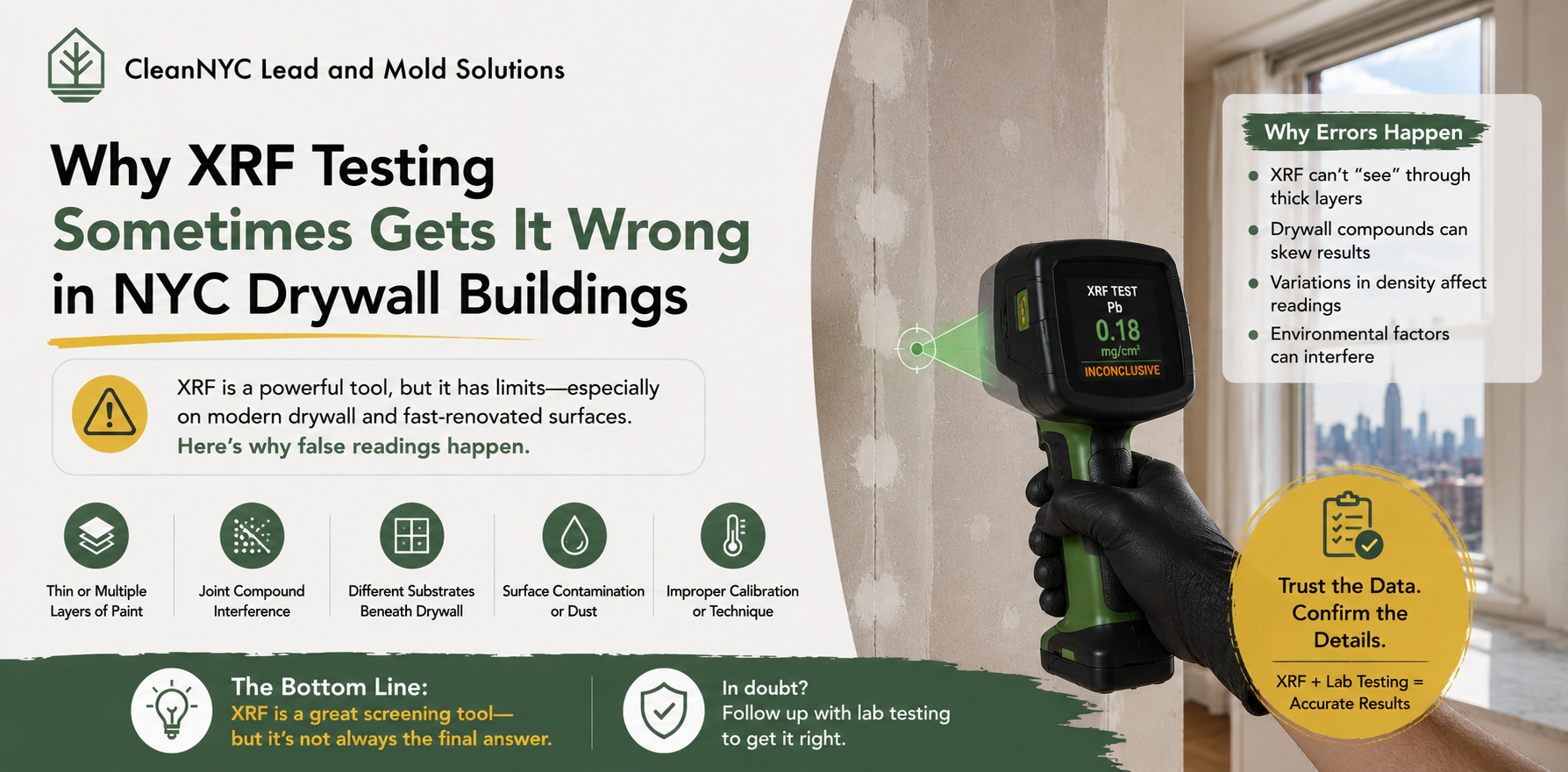
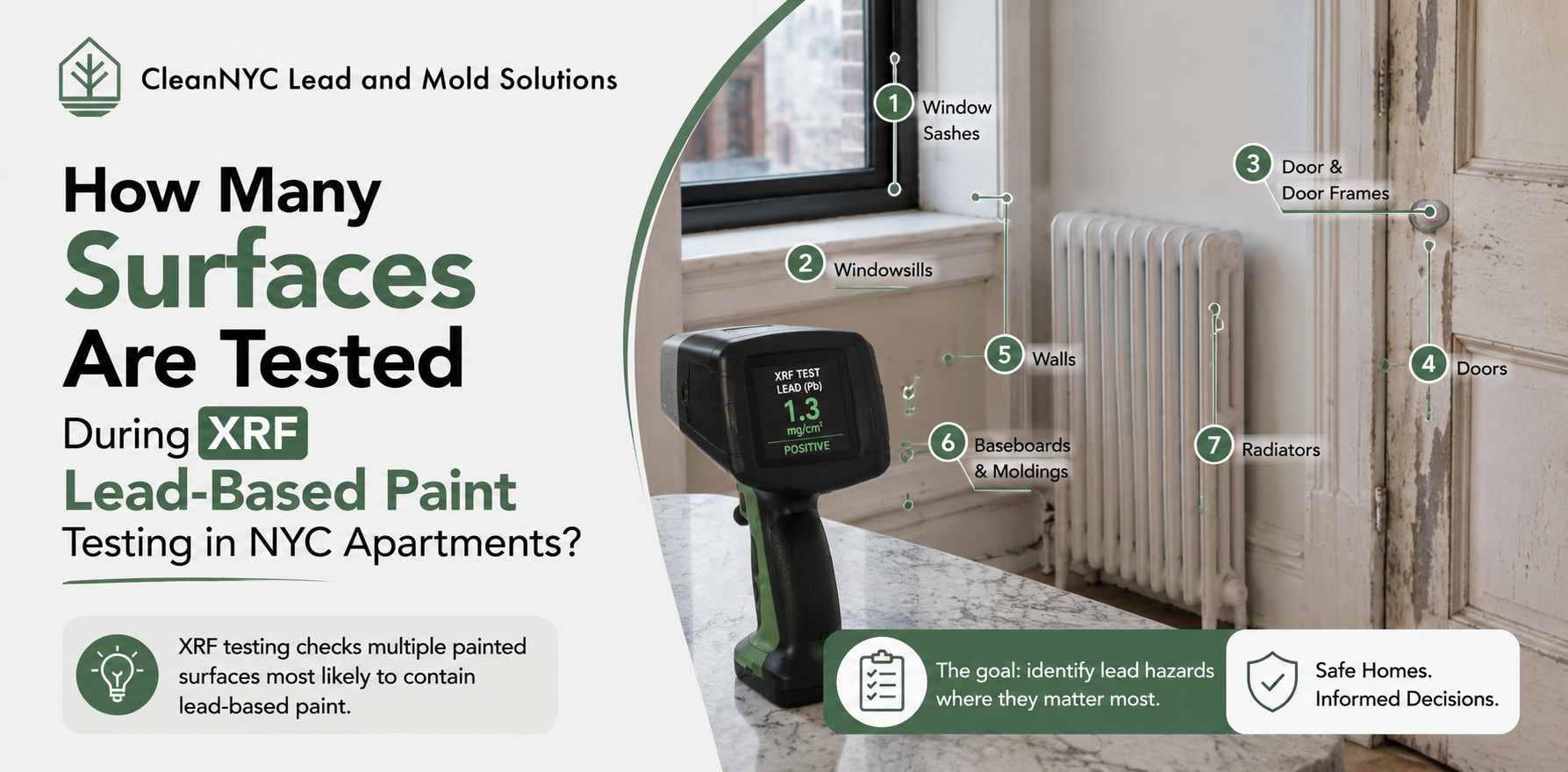
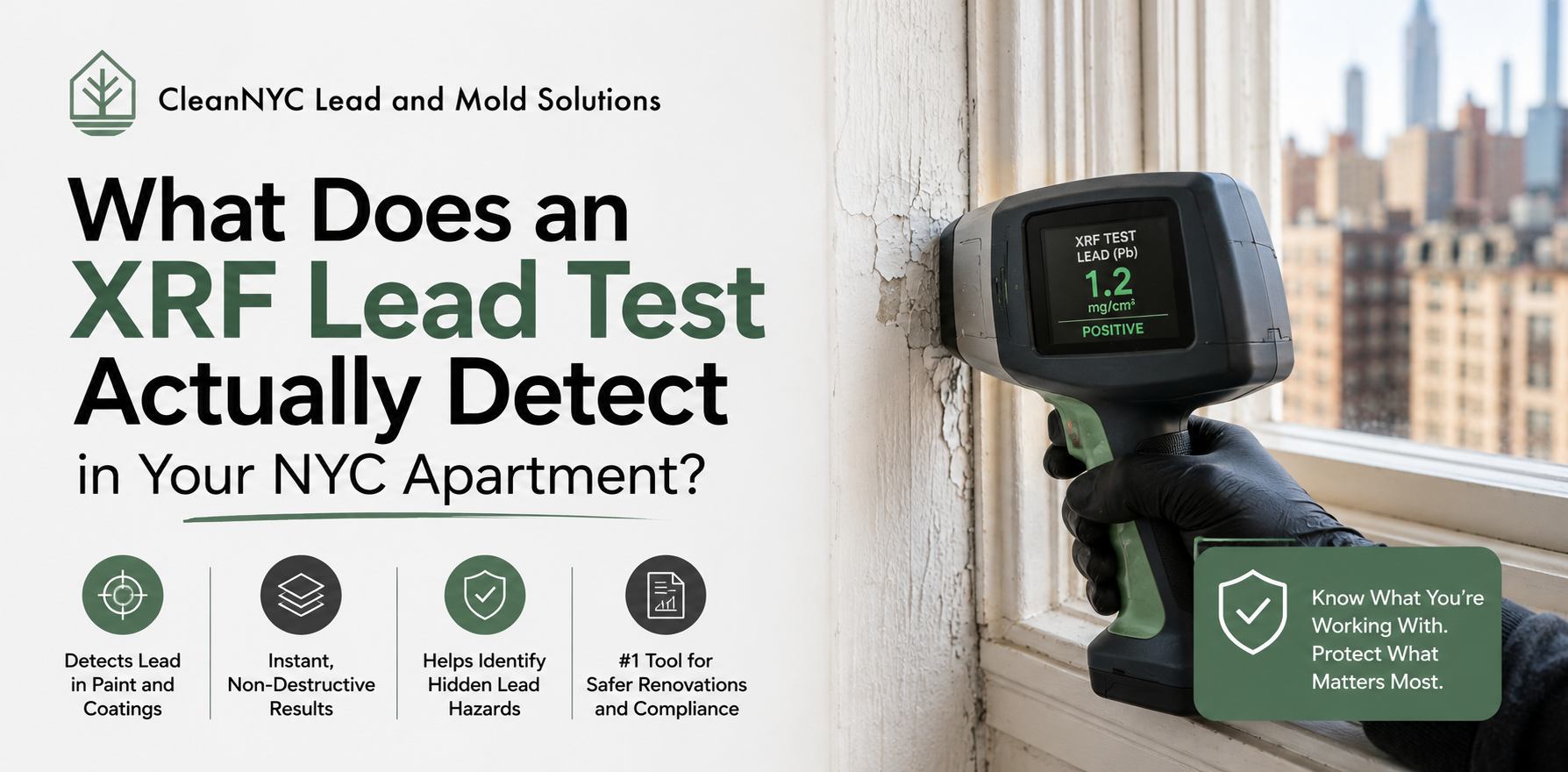
For properties undergoing renovations that may disturb older plumbing, our XRF testing service can help identify lead hazards in painted surfaces and building components before construction work begins.
What Patterns Do Water Testing Results Reveal?
Professional environmental teams look for specific result patterns when evaluating water quality data across multiple sample types.
Elevated First Draw, Lower Flushed Results
This pattern typically indicates that contaminants are entering the water while it sits in contact with internal plumbing components. The reduction after flushing suggests that plumbing materials, rather than the incoming supply, are the primary source.
Elevated Results Across Both Samples
When contaminant levels remain high even after flushing, additional investigation may be needed to determine whether contamination originates further upstream or involves multiple components throughout the system.
Consistently Low Results in Both Samples
Low readings across first draw and flushed samples generally indicate fewer concerns related to plumbing materials and current water quality conditions within the property.
Understanding these patterns is one of the core reasons why comprehensive sampling programs collect multiple sample types from multiple locations rather than relying on a single test result.
The NYC DEP’s Approach to Water Monitoring
The NYC DEP’s Water Monitoring program collects more than 1,300 water samples monthly from up to 546 locations across the city’s distribution system. These samples are analyzed for bacteria, chlorine levels, pH, organic compounds, and other quality indicators to verify conditions at the end of the city’s infrastructure before water enters individual building service lines.
This city-level monitoring does not extend inside individual buildings. Once water enters a building’s private plumbing, responsibility for internal water quality shifts to property owners and managers. That is why building-level water quality testing provides information that municipal monitoring programs alone cannot offer.
Who Should Schedule Water Testing in NYC?
Water quality testing is recommended for a wide range of NYC property situations, particularly in buildings with older plumbing infrastructure.
Testing is commonly requested by:
- Landlords and property managers in pre-war buildings
- Co-op boards and condominium associations
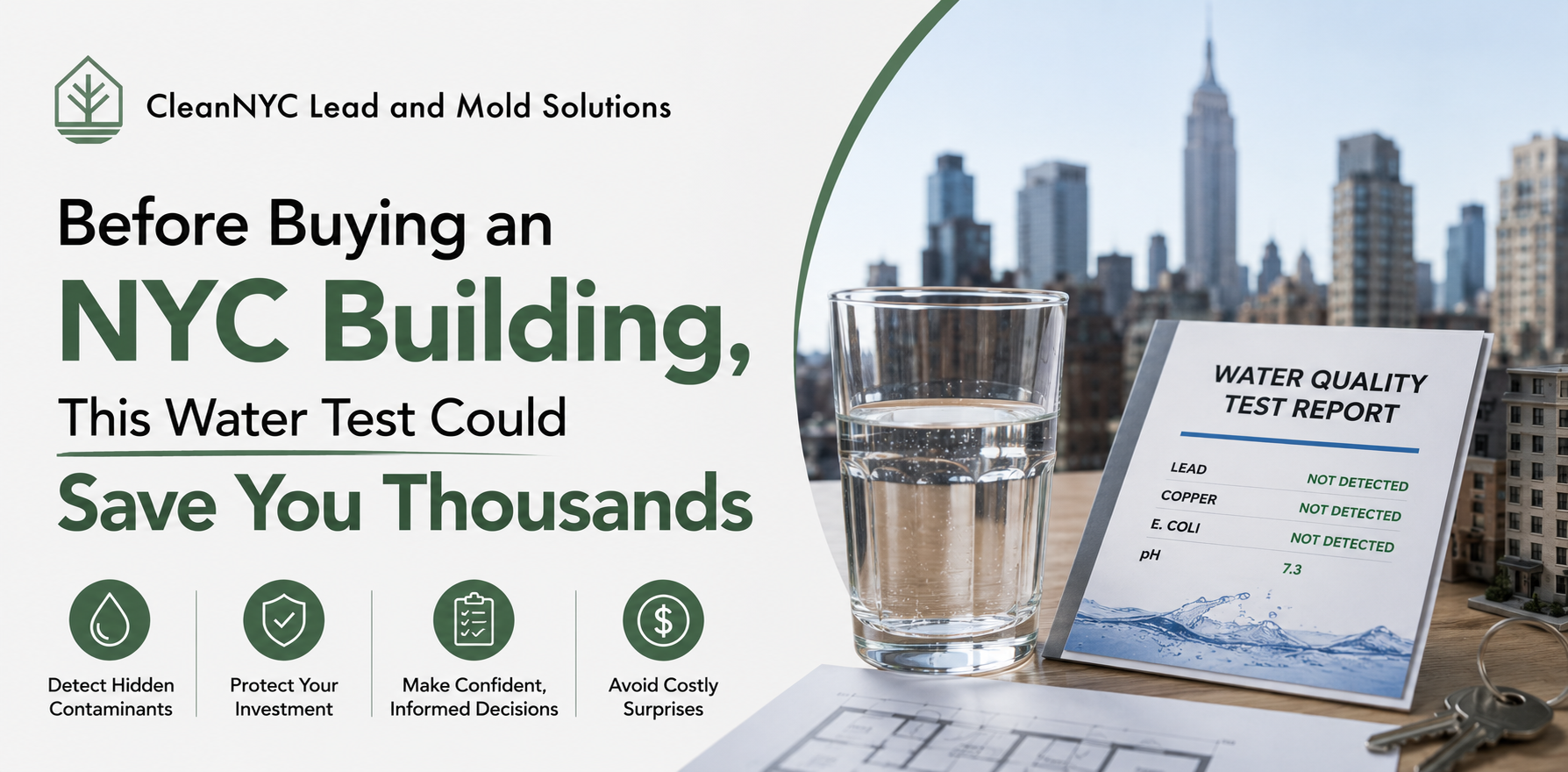
- Homebuyers conducting pre-purchase due diligence
- Parents with young children living in older apartments
- Property owners following plumbing repairs or renovations
- Facility managers at schools and daycare centers
- Real estate investors evaluating older multifamily properties
You should strongly consider scheduling testing if your building was constructed before 1986, if plumbing materials or service lines are unknown, if occupants have expressed concerns about water quality, or if recent work has disturbed existing plumbing connections.
How Water Testing Fits Into a Broader Building Safety Program
Water quality testing is most effective when it is part of a comprehensive environmental evaluation rather than an isolated single test. Many NYC property owners combine water testing with other inspection services to build a complete picture of environmental conditions throughout the building.
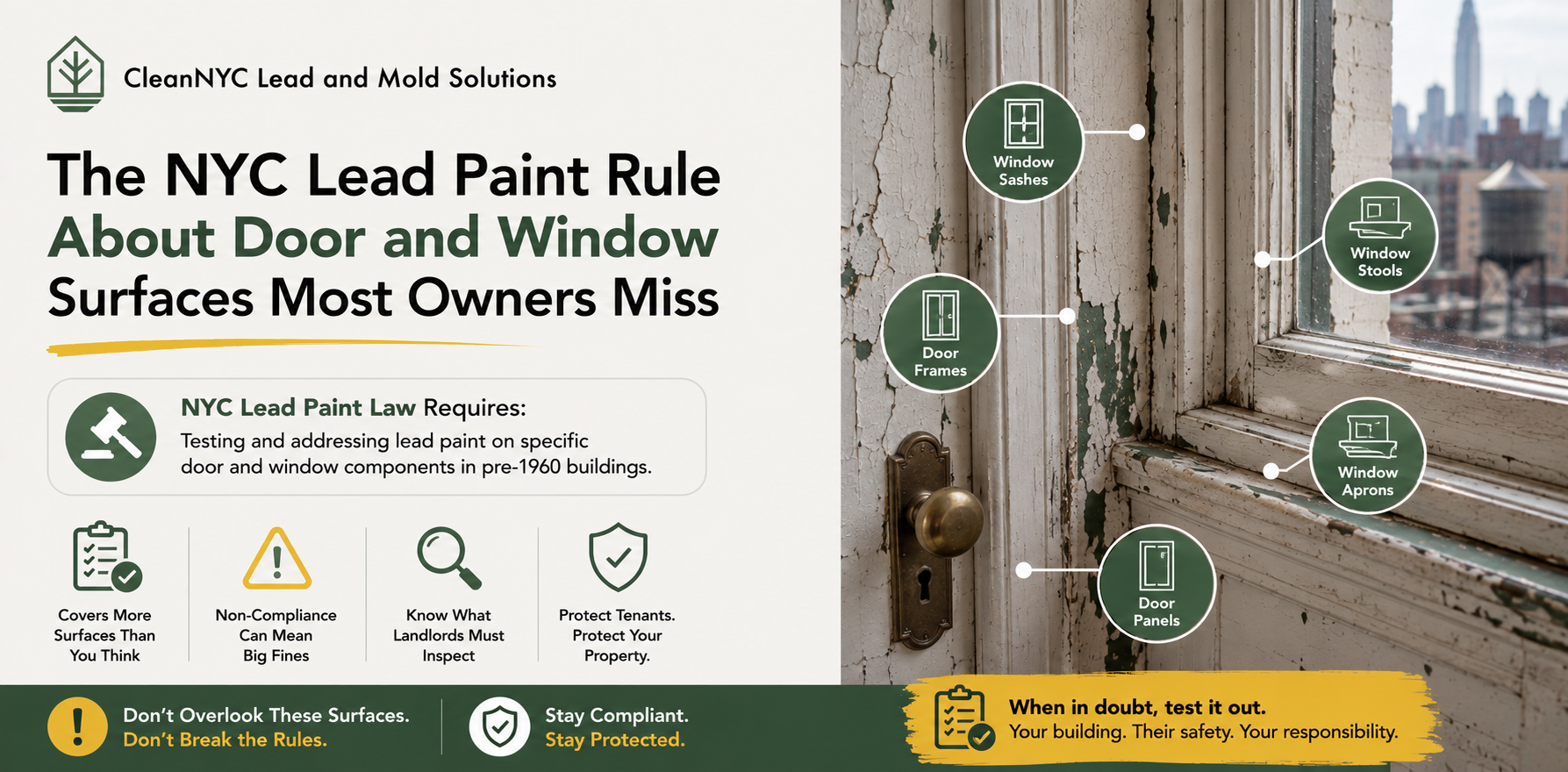
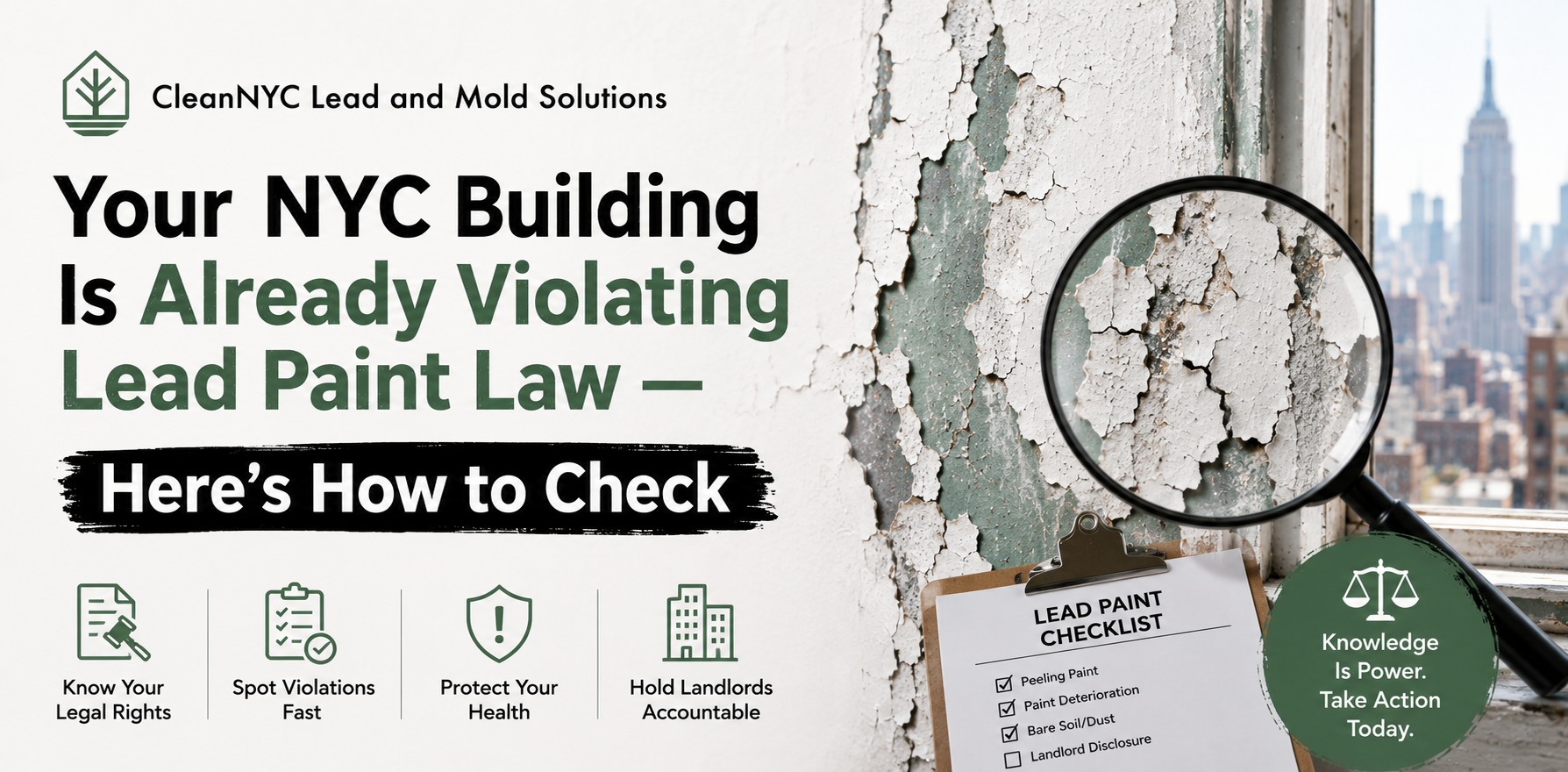
Our team at CleanNYC Lead and Mold Solutions provides certified inspections across multiple environmental hazard categories. When paint chip sampling identifies lead paint hazards in older building components, water testing can help determine whether plumbing systems present a separate and simultaneous exposure pathway.
After renovation work is completed, our dust wipe clearance testing service can verify that lead dust has been properly contained and cleaned before occupants return to the space. For landlords managing compliance with NYC housing regulations, our team also handles HPD filing requirements to keep properties fully documented.
Browse our past project case studies to see how environmental assessments have helped property owners across New York City manage lead hazards and maintain building compliance.
Best Practices for Accurate Water Testing Results
Reliable water quality data depends on proper sample collection procedures, not only on laboratory equipment. Professional testing programs follow established protocols that ensure results accurately reflect real conditions inside the plumbing system.
Standard practices include:
- Controlled stagnation periods before first draw collection
- Consistent flushing procedures for subsequent samples
- Proper sample handling and preservation during transport
- Chain-of-custody documentation from collection to analysis
- Accredited laboratory analysis using certified methods
- Detailed reporting that documents collection locations and conditions
Skipping or modifying any of these steps can produce results that do not accurately reflect actual occupant exposure conditions. For NYC buildings subject to Local Law compliance requirements, properly documented testing procedures are also essential for regulatory records.
Final Thoughts
Professional water testing plays a critical role in protecting residents and occupants in New York City’s older building stock. Because contamination from plumbing materials is invisible and undetectable without laboratory analysis, drinking water analysis provides information that no other inspection method can offer.
Whether you manage a multifamily rental building, a co-op or condominium, or a single-family home in an older NYC neighborhood, scheduling professional water testing offers a reliable way to understand the quality of water flowing through your building’s plumbing system and to take informed action when results indicate a concern.