Lead testing in New York City is not a one-size-fits-all process. Property owners, landlords, and homeowners often struggle to understand whether they need an XRF lead inspection NYC or a lead dust wipe test to meet legal requirements and ensure safety.
Both tests serve different purposes under NYC regulations. Choosing the wrong one can lead to HPD violations, failed clearance, legal liability, and ongoing health risks for tenants and families.
This guide explains the difference between XRF testing and dust wipe testing, when each is required, and how to stay compliant with NYC lead compliance XRF rules. We will also cover residential XRF lead testing NYC, apartment XRF lead testing NYC, and how CleanNYC Lead and Mold Solutions helps property owners meet legal standards.
Why Lead Testing Is Mandatory in NYC
New York City has strict lead safety laws because many residential buildings were constructed before 1960. Lead-based paint is still present in walls, doors, windows, and trim, and when it deteriorates, it creates toxic dust.
Under NYC regulations, landlords must:
- Identify lead-based paint
- Repair deteriorated surfaces safely
- Perform proper testing after repairs
- Maintain documentation for compliance
This is where XRF lead inspection NYC and dust wipe testing play different but equally important roles.
What Is XRF Lead Inspection NYC?
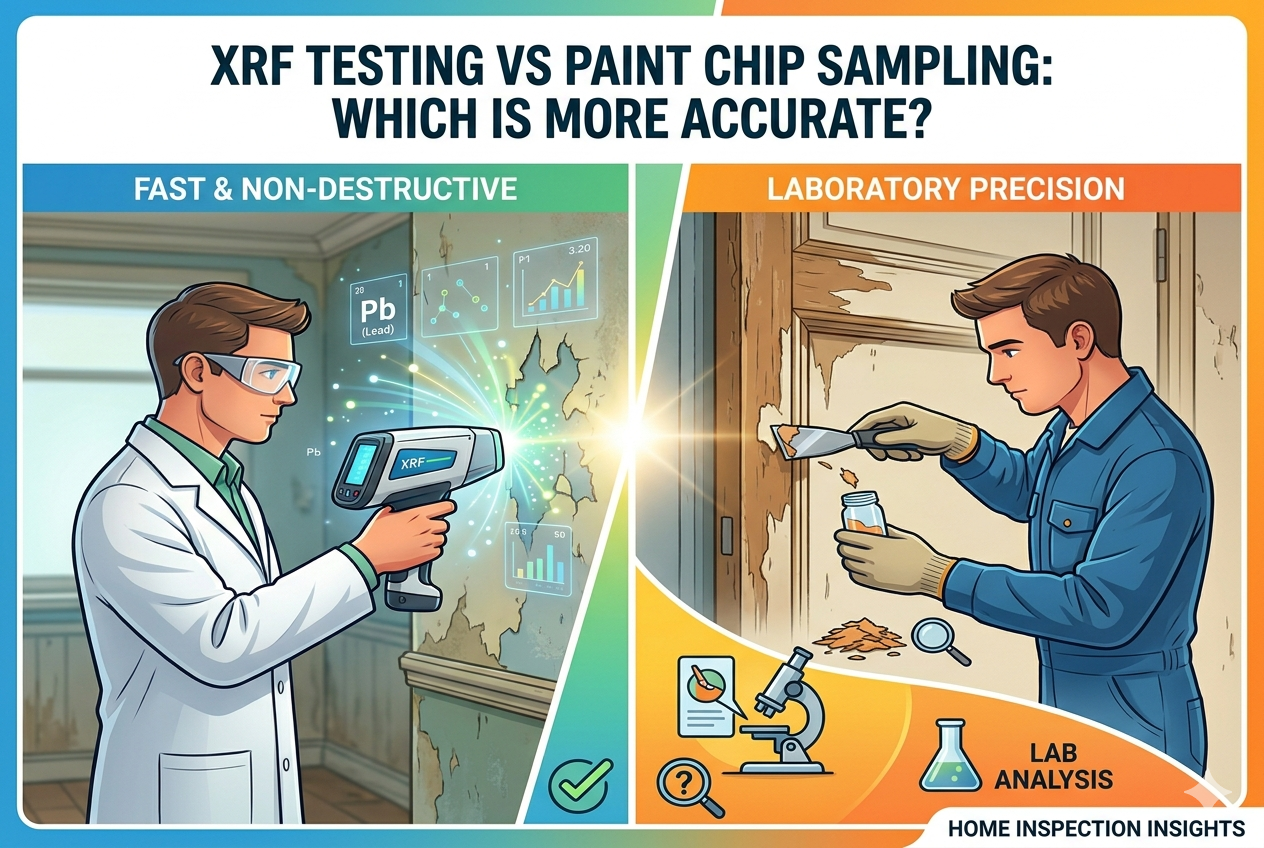
XRF (X-ray fluorescence) testing is a non-destructive method used to detect lead-based paint on surfaces.
How XRF Testing Works
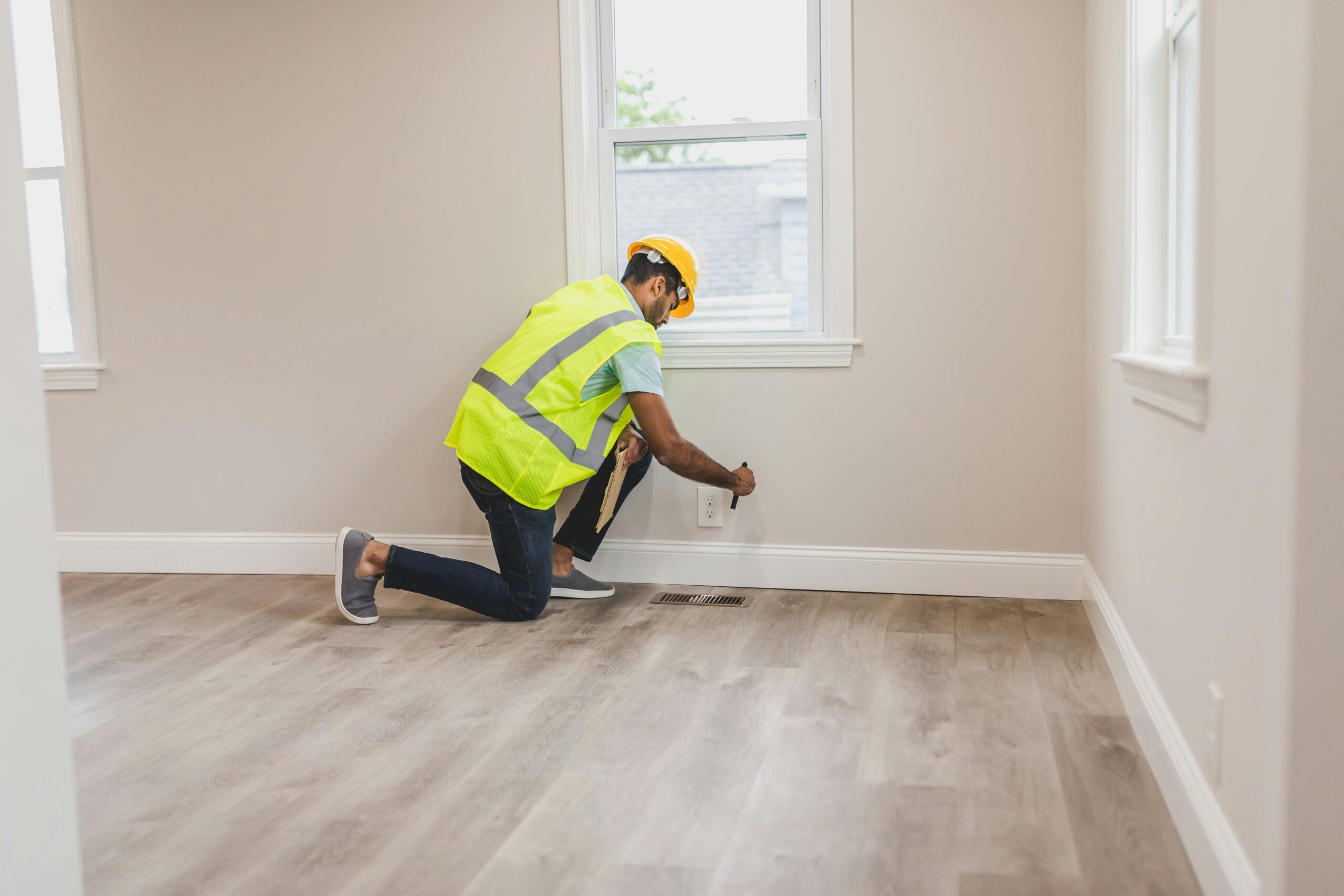
A certified inspector uses a handheld XRF analyzer to scan painted surfaces. The device instantly measures lead content beneath the paint without damaging the wall.
XRF testing identifies:
- Whether lead-based paint is present
- The exact location of lead paint
- Which building components contain lead
This makes residential XRF lead testing NYC essential for:
- Initial lead inspections
- Risk assessments
- Compliance documentation
- Property purchases and renovations
What Is a Lead Dust Wipe Test?
A lead dust wipe test measures the amount of lead dust on surfaces such as:
- Floors
- Window sills
- Window troughs
Unlike XRF, which detects the presence of lead paint, dust wipe testing determines whether lead dust levels exceed legal safety limits.
Dust wipe testing is required for:
- Clearance after lead repairs
- Apartment turnover in pre-1960 buildings
- HPD lead violation correction
- Post-renovation compliance
This means apartment XRF lead testing NYC does not replace dust wipe clearance testing.
Key Difference: XRF vs Dust Wipe
XRF Testing
- Detects lead paint
- Identifies location of hazards
- Used for inspections and risk assessments
- Required for compliance documentation
Dust Wipe Testing
- Measures lead dust levels
- Confirms an area is safe after repairs
- Required for clearance and turnover
- Determines exposure risk
Both tests are often required at different stages of compliance.
When Do You Need XRF Lead Inspection NYC?
You need XRF lead inspection NYC when:
- Conducting a full lead inspection of a property
- Creating a lead-based paint report
- Performing a risk assessment
- Buying or selling an older building
- Planning renovations that disturb painted surfaces
- Documenting NYC lead compliance XRF status
For landlords, XRF testing helps identify which surfaces contain lead so they can be managed safely.
When Do You Need a Dust Wipe Test?
Dust wipe testing is required:
- After lead paint removal or repairs
- During apartment turnover in pre-1960 buildings
- To clear an HPD lead violation
- After renovation work in units with children under six
Even if an XRF lead inspection NYC shows lead paint is present, the apartment cannot be legally reoccupied until dust wipe results pass clearance standards.
Why You Often Need Both Tests
Many property owners assume XRF testing alone is enough for compliance. This is incorrect.
A typical NYC compliance workflow includes:
- XRF lead inspection to identify lead paint
- Safe repair or lead paint removal NYC
- Dust wipe clearance testing to confirm safety
Skipping the dust wipe test can result in failed inspections and penalties.
NYC Lead Compliance XRF Requirements
Under NYC lead laws, documentation is critical. Landlords must maintain:
- XRF inspection reports
- Repair records
- Clearance dust wipe results
- Annual tenant notices
These records must be kept for at least 10 years and presented during HPD audits.
Professional apartment XRF lead testing NYC ensures you receive legally valid documentation.
Cost Considerations: XRF vs Dust Wipe
XRF Testing Cost Factors
- Number of units
- Size of property
- Number of painted components tested
XRF is typically used for full inspections and may cost more upfront but provides comprehensive compliance data.
Dust Wipe Testing Cost Factors
- Number of samples required
- Size of the apartment
- Clearance requirements
Dust wipe testing is usually less expensive per visit but may be required multiple times.
Choosing the correct test at the right time prevents repeat costs and failed inspections.
Renovations and Lead Testing
If you are planning renovations in an older building, you may need:
- XRF testing before work begins
- Safe work practices under RRP rules
- Dust wipe clearance after completion
This protects tenants and ensures compliance with NYC lead compliance XRF standards.
Legal Risks of Choosing the Wrong Test
Using the wrong test can lead to:
- Failed HPD inspections
- Daily fines for non-compliance
- Tenant lawsuits
- Delayed occupancy approvals
- Increased liability in lead poisoning cases
Understanding when to use residential XRF lead testing NYC versus dust wipe testing is essential for legal protection.
Why Choose CleanNYC Lead and Mold Solutions
CleanNYC Lead and Mold Solutions provides certified XRF lead inspection NYC, dust wipe testing, and full compliance support.
Services include:
- Residential XRF lead testing NYC
- Apartment XRF lead testing NYC
- Dust wipe clearance testing
- Safe lead hazard remediation guidance
- Complete NYC compliance documentation
Business Information:
CleanNYC Lead and Mold Solutions
841 Knickerbocker Ave, Brooklyn, NY 11207
Mobile: 212-381-6001
Their certified inspectors help landlords and property managers avoid violations and maintain lead-safe properties.
How to Choose the Right Test
You need XRF testing if you want to:
- Identify where lead paint exists
- Create a compliance report
- Plan renovations safely
You need a dust wipe test if you want to:
- Clear an apartment after repairs
- Pass HPD inspection
- Confirm the unit is safe for occupancy
In most cases, both tests are required at different stages.
FAQ: XRF vs Lead Dust Wipe in NYC
Conclusion
Understanding the difference between XRF lead inspection NYC and lead dust wipe testing is essential for compliance, safety, and legal protection. XRF identifies where lead paint exists, while dust wipe testing confirms that a property is safe for occupancy.
Both tests play critical roles in NYC lead compliance XRF requirements. Using the correct test at the right time helps you avoid violations, protect tenants, and maintain proper documentation.
For certified testing and full compliance support, contact CleanNYC Lead and Mold Solutions, located at 841 Knickerbocker Ave, Brooklyn, NY 11207, or call 212-381-6001.