Lead exposure remains a serious health risk in many older buildings across New York City. Thousands of properties built before 1978 may still contain lead-based paint, which can become hazardous when it deteriorates or is disturbed during renovations. Because of these risks, many property owners, landlords, and tenants search for the most accurate way to detect lead hazards.
If you are asking which lead test is the most accurate in NYC, the answer depends on what you are trying to detect. Different testing methods identify different types of lead hazards. Some tests detect lead paint on surfaces, while others identify lead dust or contaminated water.
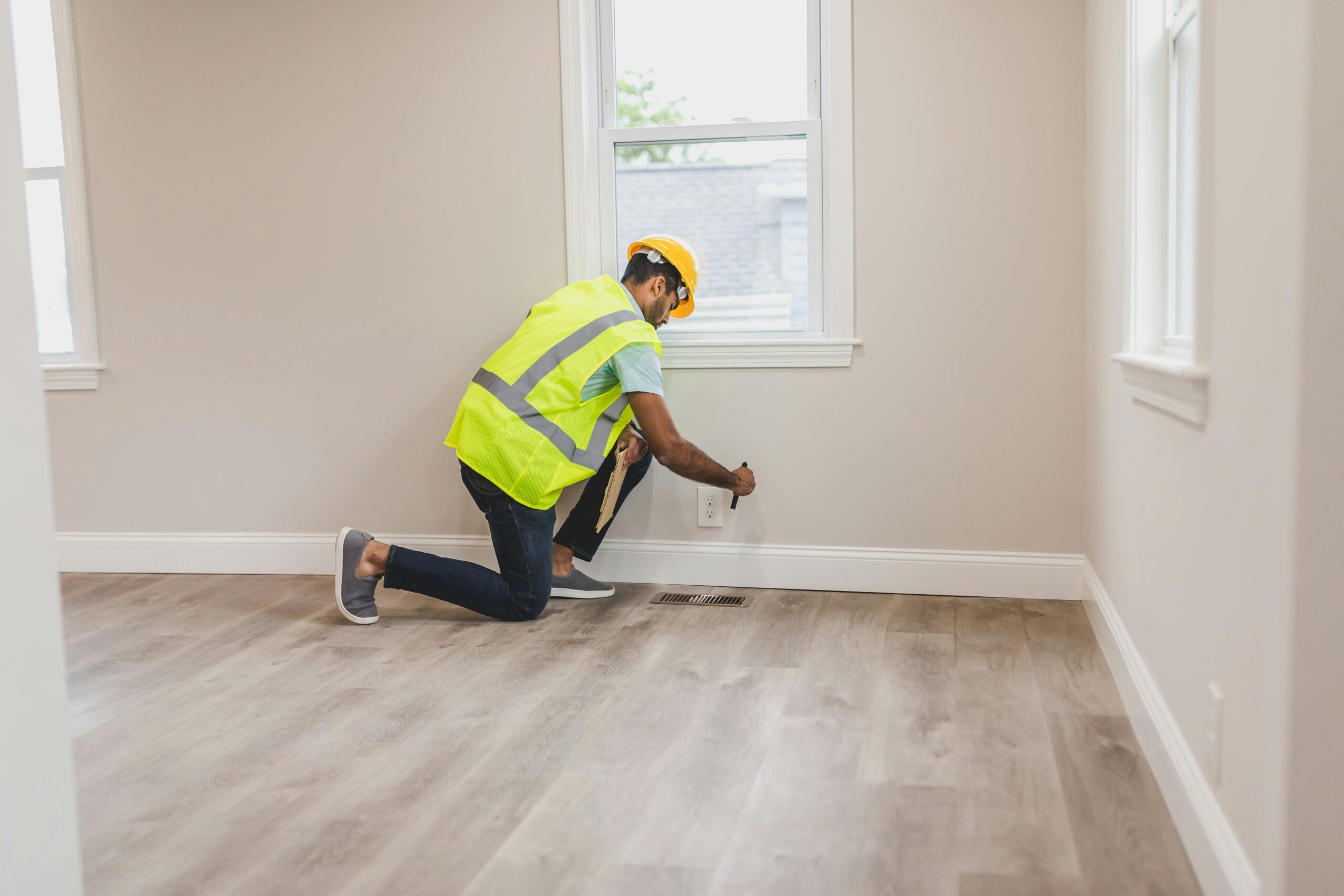
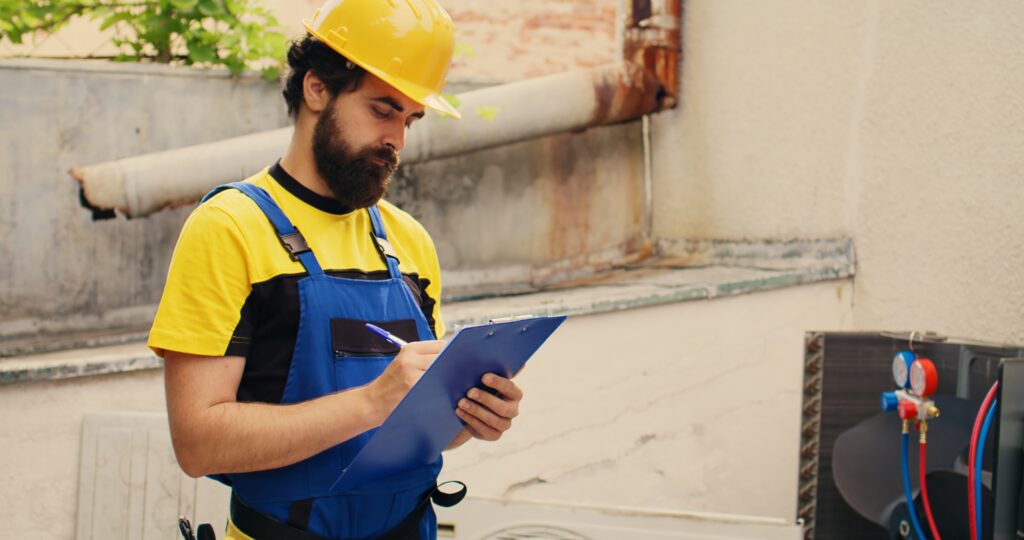
A professional lead paint inspection NYC provides the most reliable and legally recognized results. Certified inspectors use advanced technology such as XRF analyzers and laboratory testing to identify hazards and ensure compliance with local regulations.
This guide explains the most accurate lead testing methods, how they work, when they are required, and why professional inspections are essential for safety and compliance.
Why Accurate Lead Testing Matters in NYC
Lead poisoning is particularly dangerous for young children and pregnant women. Even small amounts of exposure can lead to serious health problems, including developmental delays, learning difficulties, and neurological damage.
New York City has strict regulations designed to reduce exposure in residential buildings. These laws require property owners to identify and address hazards in apartments where children live.
Accurate testing matters because:
- Lead hazards are often invisible
- Paint layers can hide contamination
- Dust exposure can occur without visible damage
- Water may contain lead from old plumbing
Without professional testing, many hazards remain undetected.
Common Signs That Lead Testing May Be Needed
Many property owners and tenants only think about testing after noticing warning signs. However, lead hazards may exist even when everything appears normal.
Testing is strongly recommended if:
- The property was built before 1978
- Paint is peeling or chipping
- Renovation work is planned
- Children under six live in the apartment
- A landlord needs to comply with local regulations
A lead paint inspection NYC helps identify risks before they become health problems.
Types of Lead Tests Available
Understanding the different types of lead testing helps determine which method provides the most accurate results for your situation.
XRF Lead Paint Testing
XRF testing is considered the gold standard for identifying lead-based paint in buildings. This method uses an advanced analyzer that scans painted surfaces and instantly measures lead content.
During a professional inspection, an XRF device is placed against walls, doors, windows, and other surfaces. The analyzer emits low-level radiation that detects lead in multiple paint layers.
Advantages of XRF testing include:
- Immediate results
- Non-destructive testing
- Ability to analyze multiple paint layers
- Highly accurate detection
Dust Wipe Testing
Dust wipe testing measures the amount of lead dust on surfaces such as floors, windowsills, and window troughs.
A certified inspector collects samples using specialized wipes. These samples are then sent to a laboratory for analysis.
Dust testing is commonly used after repairs or renovations to confirm that lead dust levels are safe.
- Detects invisible contamination
- Confirms safety after repairs
- Required for clearance testing in many cases
Paint Chip Testing
Paint chip testing involves collecting small pieces of paint and sending them to a laboratory for analysis.
This method is accurate but destructive because samples must be removed from surfaces. For this reason, it is usually used only in limited situations.
Water Testing for Lead
Lead contamination can also occur in drinking water due to aging plumbing systems or lead service lines.
Water samples are collected and analyzed in a laboratory to determine lead concentration levels.
While water testing is important for health protection, it does not replace a lead paint inspection NYC when evaluating building surfaces.
Which Lead Test Is the Most Accurate?
Among all available methods, XRF testing is generally considered the most accurate and efficient way to detect lead-based paint in buildings.
- Identifies lead beneath multiple paint layers
- Provides immediate results during inspections
- Does not damage surfaces
- Can analyze hundreds of locations in a single visit
When Professional Lead Testing Is Recommended
Older Residential Buildings
Many apartments built before 1978 still contain lead-based paint. A thorough inspection helps identify hidden hazards before they become dangerous.
Rental Properties
Landlords are responsible for ensuring that apartments are safe for tenants. Accurate inspections help prevent violations and legal risks.
Renovation Projects
Renovation work can disturb old paint and release dangerous lead dust. Testing before construction helps prevent contamination.
Child Occupancy
Homes where young children live should be tested to minimize exposure risks.
Why Professional Inspections Are More Reliable Than DIY Tests
- Limited accuracy of DIY tests
- False positive or negative results
- Inability to detect hidden layers
- Lack of compliance documentation
Professional inspections use certified equipment and trained specialists to provide accurate results that meet regulatory standards.
What Happens During a Professional Lead Inspection
Property Assessment
Inspectors review the building’s age, construction materials, and areas most likely to contain lead paint.
Surface Testing
An XRF analyzer is used to test painted surfaces throughout the property.
Sample Collection
If necessary, dust wipe or additional samples are collected for laboratory testing.
Detailed Report
- Areas containing lead paint
- Potential hazards
- Recommendations for remediation
Protecting Your Property and Health
- Identify lead hazards early
- Protect occupants from exposure
- Comply with regulations
- Prevent costly violations
Professional Lead Testing in NYC
Professional testing ensures reliable results and regulatory compliance.
CleanNYC Lead and Mold Solutions provides certified inspections for residential and commercial properties.
CleanNYC Lead and Mold Solutions
841 Knickerbocker Ave
Brooklyn, NY 11207
Phone: 212-381-6001