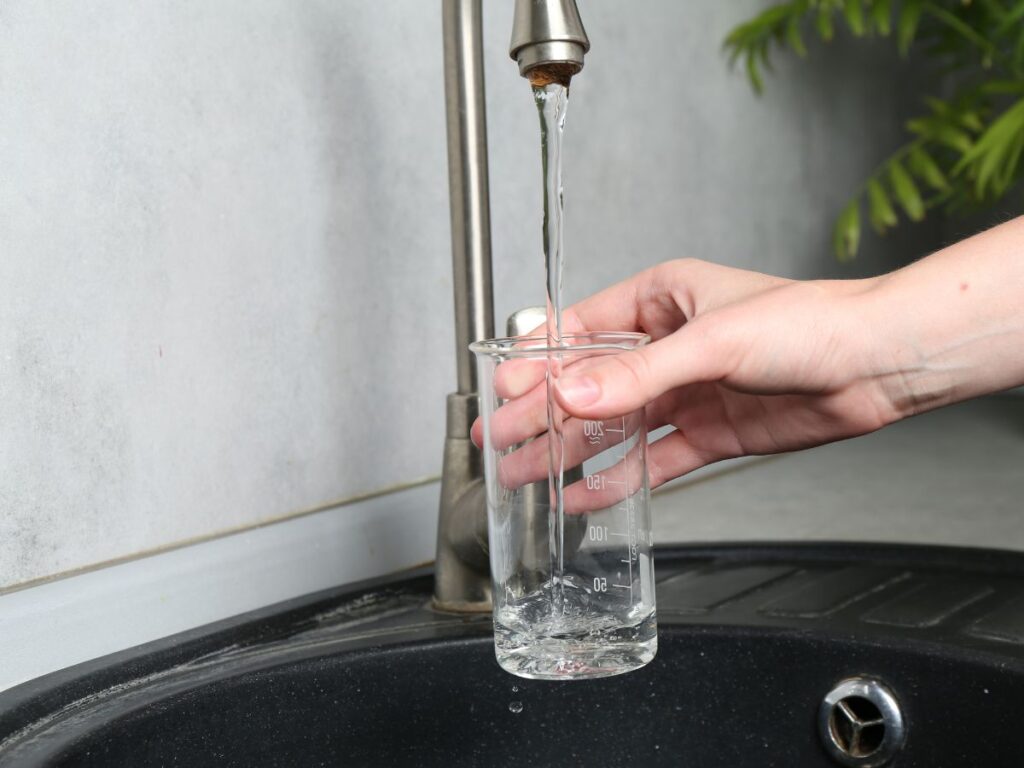
If you are asking, “Where can I get my tap water tested in NYC?”, you are not alone. Thousands of residents, landlords, and business owners search for reliable home water testing NYC services each year. Whether you are concerned about lead, unusual taste, discoloration, or want peace of mind, professional water testing ensures accurate results and safety for your household.
This guide explains where to get your water tested, what contaminants are common in New York properties, how the testing process works, and why certified inspection is essential.
Why Tap Water Testing Matters in NYC
Even though NYC’s municipal water is high quality, contamination can occur inside buildings due to:
- Aging plumbing systems
- Lead service lines
- Corroded pipes
- Old fixtures and solder
- Building renovations
Even if municipal water meets safety standards, internal plumbing can introduce contaminants before it reaches your faucet.
Residential water testing NYC is especially important in:
- Pre-1986 buildings
- Pre-war apartments
- Renovated brownstones
- Multi-family rental properties
- Commercial buildings with older plumbing
Common Contaminants in NYC Tap Water
Professional home water testing NYC typically checks for:
Lead
Lead can leach from corroded pipes and is particularly harmful to children and pregnant individuals.
Copper
Often results from pipe corrosion.
Iron and Rust
Common in older buildings with aging plumbing systems.
Bacteria
May occur from plumbing issues or storage tanks.
Nitrates and Other Chemicals
Can enter water through environmental exposure or chemical usage.
Lead testing NYC is highly requested due to health risks and regulatory requirements.
Where to Get Your Tap Water Tested in NYC
You have three main options:
1. Certified Testing Companies
Hiring a professional, certified testing company ensures proper sampling and legally valid results.
Ideal for:
- Property owners
- Landlords
- Property managers
- Real estate transactions
- Compliance documentation
- Families with young children
Certified testing ensures accuracy and legal recognition.
2. At-Home Water Testing Kits
DIY kits are convenient but have limitations:
- May miss low-level contaminants
- Results are not legally recognized
- Improper sampling can produce inaccurate readings
Useful for preliminary screening, but not a replacement for certified testing.
3. Commercial Water Testing for Businesses
Required for restaurants, offices, schools, and other commercial properties to meet safety standards.
Commercial testing helps businesses:
- Meet health regulations
- Protect customers and staff
- Reduce liability
- Maintain compliance records
Professional lab testing is recommended for commercial settings.