What Is XRF Testing and Is It Required in 2026? Full Compliance Guide

home XRF test NYC

Lead safety laws continue to evolve, and property owners, landlords, and tenants are asking the same question: Do I need a home XRF test NYC in 2026? Understanding when XRF testing is required, how it works, and who is responsible can help you avoid violations, protect occupants, and stay fully compliant.

This guide explains XRF testing in simple terms, when it is legally required, how it applies to residential and apartment settings, and what steps you should take to meet compliance standards.


What Is XRF Testing?

XRF stands for X-ray fluorescence. It is a non-destructive method used to detect lead-based paint on surfaces such as:

  • Walls

  • Doors and door frames

  • Window sills and trim

  • Baseboards

  • Radiators

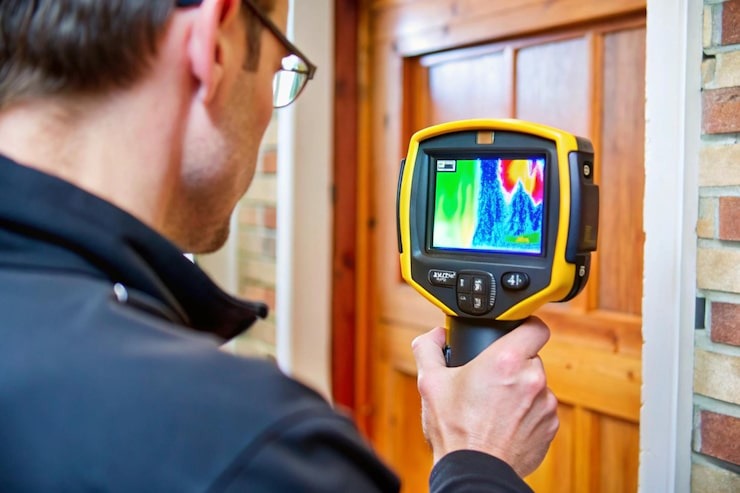
A certified inspector uses a handheld analyzer to measure lead content through multiple paint layers without damaging the surface.

A home XRF test NYC provides instant readings and a detailed report showing exactly where lead-based paint is present.


Why XRF Testing Matters

Lead-based paint is the most common source of lead exposure in older buildings. Even when paint appears intact, friction surfaces like windows and doors can generate toxic dust.

XRF testing matters because it:

  • Identifies hidden lead paint

  • Helps plan safe renovations

  • Provides legal documentation

  • Supports compliance with lead laws

  • Protects children and tenants from exposure

Without proper testing, property owners risk fines, violations, and legal liability.


Is XRF Testing Required in 2026?

XRF testing is not required for every property, but it becomes mandatory in specific situations.

1. Pre-1960 Rental Units With Children

If a child under six lives in the apartment, landlords must address lead hazards. A full inspection using XRF is often required to identify lead-based paint.

2. Lead Hazard Violations

If a property receives a lead violation, XRF testing may be required to determine the extent of lead paint and guide remediation.

3. Renovation and Repair Work

Before disturbing painted surfaces in older buildings, XRF testing helps identify lead and ensures safe work practices.

4. Risk Assessments and Compliance Documentation

For legal compliance, an apartment XRF testing NYC report may be required as part of a lead risk assessment.


Who Needs a Home XRF Test NYC?

Homeowners

While not always legally required, homeowners should schedule residential XRF testing NYC if:

  • The home was built before 1978

  • Renovations are planned

  • Children live in the home

  • Lead hazards are suspected

Landlords

Landlords have stricter obligations and may need apartment XRF testing NYC to:

  • Identify lead-based paint

  • Plan remediation

  • Document compliance

  • Avoid violations and penalties

Property Managers and Commercial Owners

Mixed-use buildings and commercial spaces may also require XRF lead paint inspection NYC to ensure safety in common areas.


XRF Testing vs Other Lead Tests

Understanding the difference between testing methods helps you choose the correct service.

XRF Lead Inspection

  • Identifies lead-based paint

  • Non-destructive

  • Provides instant results

  • Used for full inspections

Dust Wipe Testing

  • Measures lead dust levels

  • Used after repairs

  • Confirms clearance

Both tests serve different purposes and are often used together for full compliance.


What Happens During an XRF Inspection?

A professional home XRF test NYC typically includes:

  1. Visual assessment of painted surfaces

  2. Systematic XRF readings throughout the unit

  3. Testing of friction and impact surfaces

  4. Documentation of lead-positive components

  5. A detailed written report

The report helps determine whether remediation is required and provides proof of compliance.


How XRF Testing Helps You Avoid Violations

Lead violations can result in:

  • Civil penalties

  • HPD violations

  • Legal claims from tenants

  • Delays in leasing or selling property

An XRF lead paint inspection NYC helps you:

  • Identify hazards early

  • Fix issues before inspections

  • Provide proper documentation

  • Protect occupants and your investment

Proactive testing is always more cost-effective than responding to violations.


Cost of XRF Testing in 2026

The cost of residential XRF testing NYC depends on:

  • Property size

  • Number of rooms

  • Number of painted components

  • Inspection scope

Apartments typically cost less than full multi-unit buildings, while larger properties require more extensive testing.

Although there is an upfront cost, XRF testing can prevent expensive remediation errors and legal issues.


When Should You Schedule XRF Testing?

You should book a home XRF test NYC if:

  • You own or manage a pre-1978 building

  • A child under six lives in the unit

  • You plan to renovate painted surfaces

  • You received a lead violation

  • You want documented compliance

Early testing allows you to plan safe work and avoid emergency repairs.


Why Professional XRF Testing Is Essential

DIY lead test kits cannot:

  • Detect lead beneath multiple paint layers

  • Provide legally valid reports

  • Identify all lead-positive components

Only certified inspectors can perform XRF lead paint inspection NYC that meets legal and compliance standards.

Professional testing ensures:

  • Accurate results

  • Proper documentation

  • Acceptance by housing authorities

  • Safer remediation planning


How CleanNYC Lead and Mold Solutions Supports Compliance

CleanNYC Lead and Mold Solutions provides certified:

  • Home XRF test NYC

  • Residential XRF testing NYC

  • Apartment XRF testing NYC

  • XRF lead paint inspection NYC

Services include:

  • Fast scheduling

  • Detailed compliance reports

  • Guidance on remediation steps

  • Support for property owners, landlords, and tenants

Address: 841 Knickerbocker Ave, Brooklyn, NY 11207
Phone: 212-381-6001

Whether you need a full inspection or testing for a specific unit, certified professionals help you stay compliant and avoid penalties.


Common Mistakes Property Owners Make

Many violations occur because owners:

  • Assume intact paint is safe

  • Skip testing before renovations

  • Use uncertified contractors

  • Fail to document compliance

Scheduling an apartment XRF testing NYC early prevents these issues and simplifies long-term property management.


Final Thoughts

XRF testing is one of the most effective tools for identifying lead-based paint and maintaining compliance in older buildings. While not required in every situation, a home XRF test NYC becomes essential when children are present, violations occur, or renovations are planned.

Proactive testing protects health, reduces liability, and ensures your property meets legal standards in 2026 and beyond.


FAQ: XRF Testing and Compliance

Is a home XRF test NYC required for all properties?

No, but it is strongly recommended for pre-1978 buildings, especially when children live in the unit or renovations are planned.

How often do I need residential XRF testing NYC?

XRF inspections are typically performed once unless new painted surfaces are added or major renovations occur.

Can XRF replace dust wipe testing?

No. XRF identifies lead paint, while dust wipe testing confirms safe dust levels after repairs.

Who can perform apartment XRF testing NYC?

Only certified lead inspectors and risk assessors can conduct legally valid XRF testing.

Does XRF testing damage walls?

No. XRF is non-destructive and does not harm painted surfaces.

Related Posts

Share:

Send Us A Message