Home XRF Test NYC: 2026 Guide
Lead safety laws continue to evolve, and property owners, landlords, and tenants are asking the same question: Do I need a home XRF test NYC in 2026? Understanding when XRF testing is required, how it works, and who is responsible can help you avoid violations, protect occupants, and stay fully compliant.
This guide explains XRF testing in simple terms, when it is legally required, how it applies to residential and apartment settings, and what steps you should take to meet compliance standards.
What Is XRF Testing?
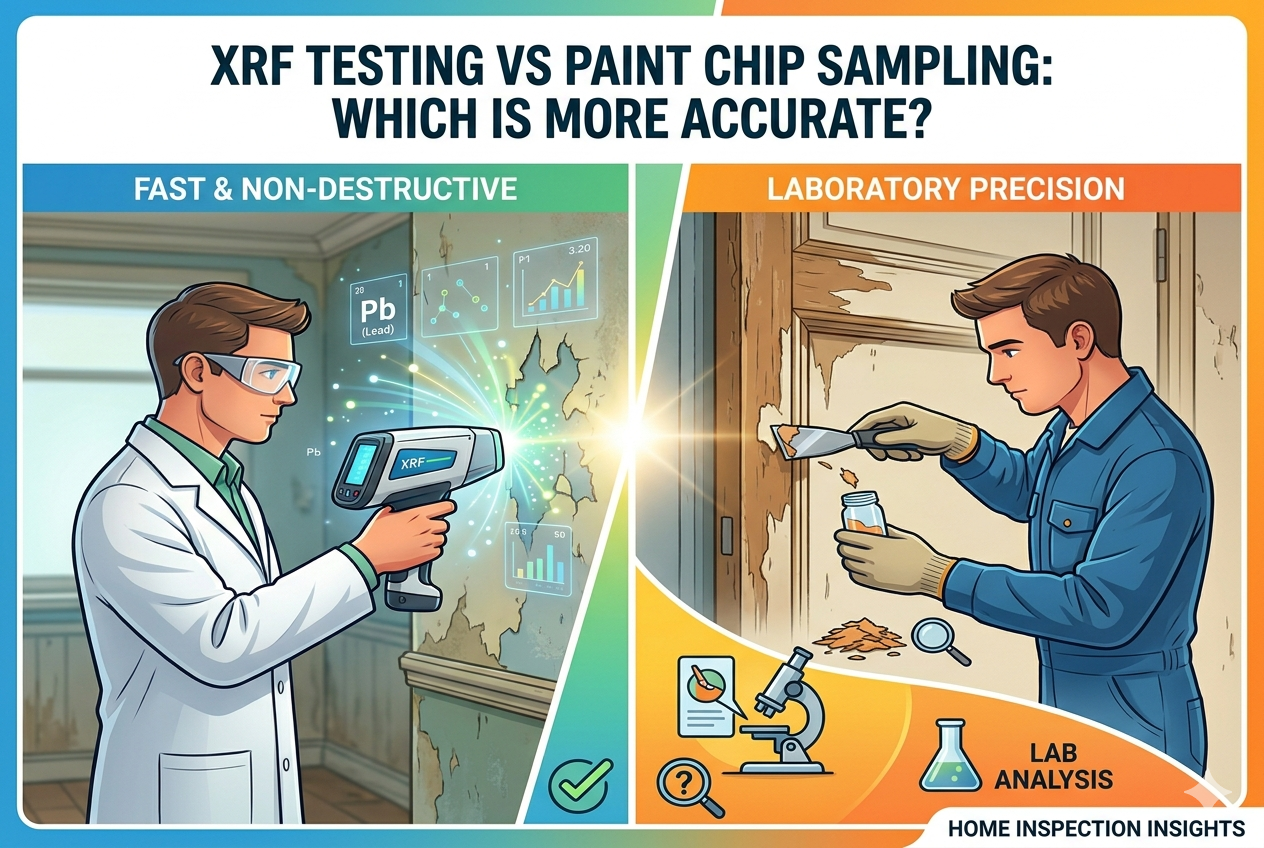
XRF stands for X-ray fluorescence. It is a non-destructive method used to detect lead-based paint on surfaces such as:
- Walls
- Doors and door frames
- Window sills and trim
- Baseboards
- Radiators
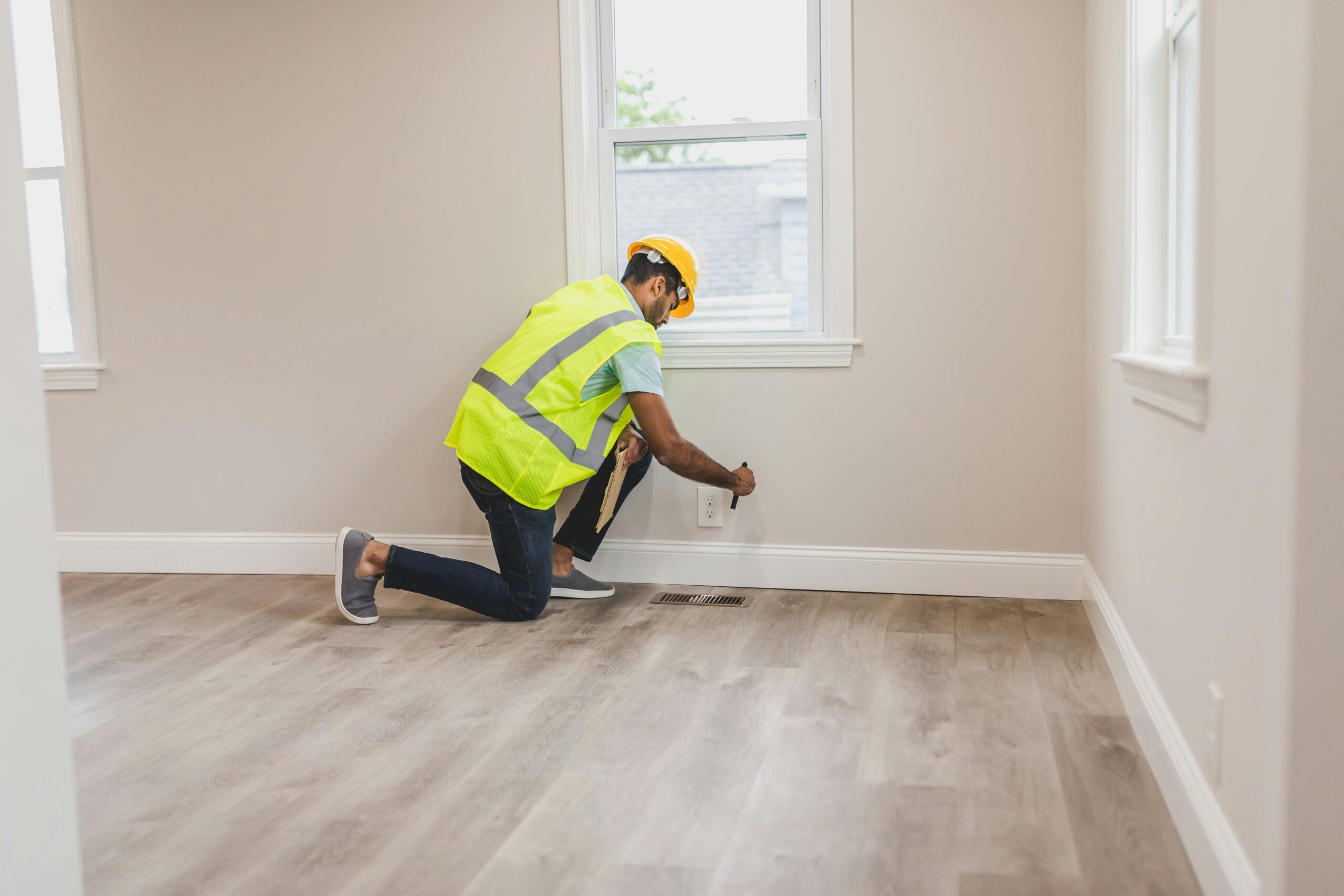
A certified inspector uses a handheld analyzer to measure lead content through multiple paint layers without damaging the surface.
A home XRF test NYC provides instant readings and a detailed report showing exactly where lead-based paint is present.
Why XRF Testing Matters
Lead-based paint is the most common source of lead exposure in older buildings. Even when paint appears intact, friction surfaces like windows and doors can generate toxic dust.
XRF testing matters because it:
- Identifies hidden lead paint
- Helps plan safe renovations
- Provides legal documentation
- Supports compliance with lead laws
- Protects children and tenants from exposure
Without proper testing, property owners risk fines, violations, and legal liability.