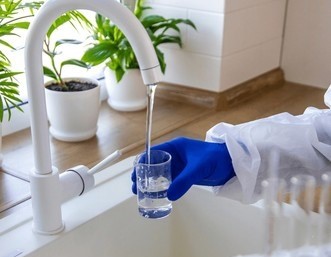
Clean drinking water is essential for health, compliance, and property safety. Yet many property owners and tenants assume their tap water is safe until a visible problem appears. In reality, contaminated water often has no obvious warning signs. Understanding the red flags can help you act quickly and schedule drinking water testing NYC before serious health or legal issues arise.
This guide explains the most common warning signs, the risks of delaying testing, and when to book home water testing NYC, residential water testing NYC, or commercial water testing NYC.
Why Unsafe Tap Water Is a Serious Risk
Unsafe water can contain lead, bacteria, heavy metals, or chemical contaminants. These hazards may cause:
- Gastrointestinal illness
- Skin irritation
- Neurological damage from lead exposure
- Long-term organ damage
- Compliance violations in rental and commercial buildings
For landlords and business owners, failing to test and address water quality can also result in fines, liability, and tenant complaints.
Visible Signs Your Tap Water Needs Immediate Testing
Discolored Water
If your tap water appears brown, yellow, or reddish, it may indicate:
- Rust in pipes
- Sediment buildup
- Corroded plumbing
- High iron levels
Discoloration is a clear signal to schedule drinking water testing NYC immediately.
Cloudy or Milky Appearance
Cloudy water can result from:
- Air bubbles (sometimes harmless)
- Suspended particles
- Chemical contamination
If the cloudiness does not clear after a few seconds, professional home water testing NYC is recommended.
Black or Dark Particles
Black specks may come from:
- Deteriorating rubber gaskets
- Pipe corrosion
- Manganese contamination
This is especially concerning in older buildings and should be evaluated through residential water testing NYC.
Taste and Odor Warning Signs
Metallic Taste
A metallic taste often indicates:
- Lead
- Copper
- Iron
Lead has no safe exposure level, making drinking water testing NYC critical if you notice this symptom.
Rotten Egg Smell
A sulfur or rotten egg odor suggests hydrogen sulfide gas or bacterial activity in plumbing or the water supply.
Chlorine or Chemical Smell
While small chlorine levels are normal, a strong chemical odor may indicate excessive treatment or contamination.
Health Symptoms Linked to Unsafe Water
Sometimes the first warning sign is not visual—it is physical.
Frequent Stomach Issues
Recurring nausea, diarrhea, or stomach cramps may be linked to bacterial contamination.
Skin Irritation After Showering
Rashes, dryness, or itching can result from chemical imbalances or contaminants.
Hair Damage or Excessive Dryness
Hard water or chemical contamination can damage hair and scalp health.
If multiple occupants experience these symptoms, schedule home water testing NYC immediately.
Plumbing and Building Red Flags
Old Pipes in Pre-1986 Buildings
Older plumbing systems may contain lead solder or lead service lines. Even if the water source is safe, pipes can contaminate water before it reaches your tap.
Recent Construction or Renovation
Construction can disturb pipes and release:
- Sediment
- Lead particles
- Metal fragments
Post-renovation drinking water testing NYC is strongly recommended.
Low Water Pressure
Low pressure may indicate pipe corrosion or buildup that can affect water quality.
When Landlords and Property Managers Must Test
Property owners should consider residential water testing NYC or commercial water testing NYC when:
- Tenants report taste, odor, or color issues
- Plumbing repairs are completed
- A new tenant moves in
- The building has older infrastructure
- A water main break occurs nearby
Proactive testing reduces liability and protects occupant health.
Risks of Ignoring Water Quality Problems
Delaying drinking water testing NYC can lead to:
- Tenant health complaints
- Legal claims
- Failed inspections
- Business reputation damage
- Costly emergency remediation
Early testing is always more affordable than crisis response.
What Professional Water Testing Detects
Certified testing can identify:
- Lead
- Copper
- Iron
- Bacteria (E. coli, coliform)
- Nitrates
- pH imbalance
- Hardness levels
- Volatile organic compounds
Commercial water testing NYC may also include compliance-specific parameters for workplaces and public buildings.
Home vs Residential vs Commercial Water Testing
Home Water Testing NYC
Designed for single-family homes and apartments. Focuses on health-based contaminants and plumbing-related risks.
Residential Water Testing NYC
Used for multi-unit buildings and rental properties to ensure safe water for all occupants.
Commercial Water Testing NYC
Required for offices, restaurants, schools, and healthcare facilities to meet safety and regulatory standards.
How Often Should Water Be Tested?
Recommended testing frequency:
- Annually for homes
- After plumbing work
- When water quality changes
- Before property purchase
- After a water contamination alert
Commercial properties may require more frequent testing depending on industry regulations.
Benefits of Professional Testing
Certified drinking water testing NYC provides:
- Laboratory-verified results
- Compliance documentation
- Risk identification
- Clear remediation recommendations
DIY kits cannot provide legally defensible or fully accurate results.
Why Choose CleanNYC Lead and Mold Solutions
CleanNYC Lead and Mold Solutions provides:
- Certified water sampling and laboratory analysis
- Fast turnaround times
- Compliance guidance for landlords and businesses
- Residential and commercial testing services
Service Area:
841 Knickerbocker Ave, Brooklyn, NY 11207
Phone: 212-381-6001
Step-by-Step Water Testing Process
- Initial consultation
- On-site sample collection
- Laboratory analysis
- Detailed report
- Remediation recommendations if needed
This process ensures accurate detection and regulatory compliance.
Preventive Measures While Waiting for Results
If you suspect unsafe water:
- Use certified bottled water for drinking and cooking
- Avoid hot tap water for consumption
- Flush taps for several minutes before use
- Install temporary NSF-certified filters
These are short-term precautions, not substitutes for testing.
Real Estate and Water Testing
Water testing is increasingly required during property transactions. Buyers, sellers, and lenders often request home water testing NYC to confirm safety before closing.
FAQ: Drinking Water Testing
Final Thoughts
Unsafe tap water is not always obvious, but the warning signs should never be ignored. Discoloration, unusual taste, odors, plumbing issues, and health symptoms all indicate the need for immediate drinking water testing NYC.
Whether you manage a rental building, own a home, or operate a commercial property, professional residential water testing NYC and commercial water testing NYC protect occupants, ensure compliance, and prevent costly problems.
To schedule certified testing, contact CleanNYC Lead and Mold Solutions at 212-381-6001.