Tenants in older buildings face a hidden risk that many don’t discover until it becomes a health concern: lead exposure. If you rent an apartment built before 1978, understanding your legal protections and knowing when to request a home lead test NYC is essential for your safety and your family’s health.
This guide explains tenant rights, landlord responsibilities, warning signs of lead hazards, and the exact steps you should take to request residential lead test NYC, apartment lead test NYC, or even commercial lead testing NYC when applicable.
Why Lead Testing Matters for Tenants
Lead exposure can cause serious health issues, especially for children under six and pregnant women. Even low levels of lead dust can lead to:
-
Developmental delays
-
Learning and behavioral problems
-
Nervous system damage
-
High blood pressure in adults
Many tenants assume their apartment is safe because the paint looks intact. However, lead hazards often come from:
-
Peeling window sills
-
Friction surfaces like doors and frames
-
Renovation dust
-
Deteriorating old paint layers
This is why requesting a home lead test NYC is not just a legal matter but a critical health step.
Your Legal Rights as a Tenant
Tenants have strong protections when it comes to lead safety in rental properties.
Right to a Lead-Safe Apartment
If a child under six lives in your unit, the landlord must:
-
Conduct annual visual inspections
-
Repair peeling paint using lead-safe methods
-
Address any lead hazards immediately
If hazards are found, proper testing must be performed to confirm the apartment is safe.
Right to Request Testing
You can request an apartment lead test NYC if:
-
Paint is peeling or chipping
-
Renovations were done without containment
-
You notice dust near windows or floors
-
A child has elevated blood lead levels
Landlords cannot ignore written requests for lead hazard evaluation.
Protection From Retaliation
Tenants who request a residential lead test NYC are protected from eviction or harassment related to that request.
When Tenants Should Request a Home Lead Test NYC
You should request testing immediately if you notice:
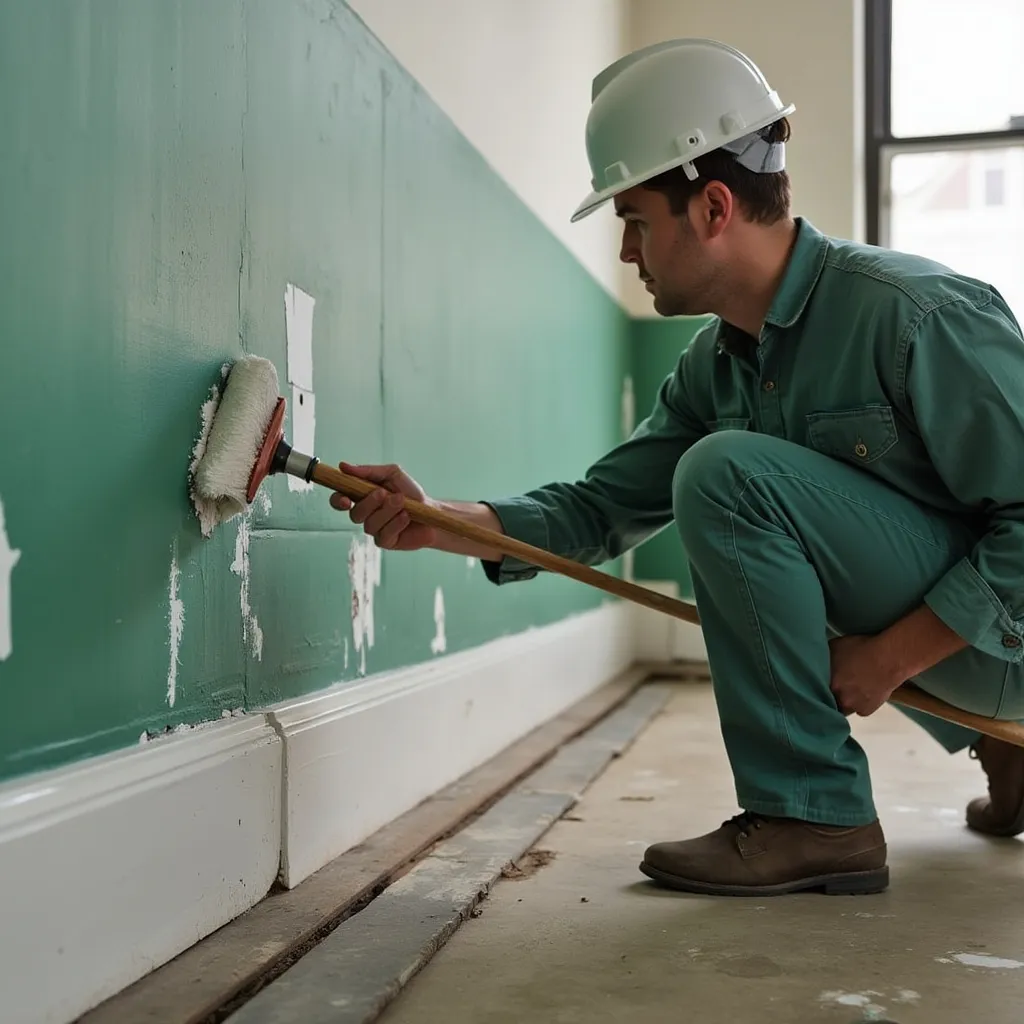
1. Peeling or Cracked Paint
Deteriorating paint in pre-1978 buildings is the most common source of lead exposure.
2. Recent Renovation Work
Improper sanding or demolition can release toxic lead dust.
3. Dust Around Windows and Floors
Lead dust often accumulates on friction surfaces.
4. A Child in the Apartment
Units with young children have stricter legal requirements and higher risk.
5. HPD Violations or Previous Lead Issues
Past violations indicate a higher probability of existing hazards.
Types of Lead Testing Relevant for Tenants
Understanding the testing methods helps you request the correct service.
XRF Lead Inspection
This method identifies lead-based paint on walls, doors, and trim without damaging surfaces.
Best for:
-
Full apartment evaluations
-
Legal documentation
-
Determining where lead is present
Dust Wipe Testing
This measures the amount of lead dust on floors, window sills, and other surfaces.
Best for:
-
Post-repair clearance
-
Determining exposure risk
-
Verifying apartment safety
A professional home lead test NYC may include both methods depending on the situation.
Landlord Responsibilities for Lead Testing
Landlords must:
-
Keep apartments free of lead hazards
-
Use certified professionals for repairs and testing
-
Provide documentation of lead-safe work
-
Perform testing after lead hazard remediation
Failure to comply can result in:
-
HPD violations
-
Fines and penalties
-
Legal liability
Tenants should always request written reports after any apartment lead test NYC.
What to Do If Your Landlord Refuses Testing
If your landlord ignores your request:
-
Submit a written notice requesting lead testing
-
Document peeling paint or unsafe conditions with photos
-
Call 311 to file a complaint
-
Request an inspection from the housing authority
You also have the right to hire a certified professional independently and use the report to support a complaint.
Safety Steps Tenants Can Take Immediately
While waiting for a home lead test NYC, you can reduce exposure:
-
Wet-clean floors and window sills regularly
-
Keep children away from peeling paint
-
Wash hands and toys frequently
-
Use doormats to reduce tracked dust
-
Avoid dry sweeping or sanding
These steps do not replace testing but help lower short-term risk.
Lead Testing in Common Areas and Commercial Spaces
Lead hazards are not limited to residential units. Hallways, staircases, and shared spaces in mixed-use buildings may also require commercial lead testing NYC to ensure safety for all occupants.
Businesses operating in older buildings should also consider testing to protect employees and customers.
What Happens During a Professional Lead Test
When you schedule a residential lead test NYC, the process typically includes:
-
Visual assessment of painted surfaces
-
XRF testing of walls, doors, and trim
-
Dust wipe sampling from key areas
-
Laboratory analysis
-
A detailed written report
This report confirms whether lead hazards are present and what remediation steps are required.
Cost of Lead Testing for Tenants
In rental properties, landlords are generally responsible for paying for required testing and remediation.
If you choose to order independent testing:
-
Costs vary based on apartment size
-
Full inspections cost more than dust wipe tests
-
Combined testing provides the most comprehensive results
Always ensure the company provides certified inspectors and legally valid reports.
Why Professional Testing Is Critical
DIY test kits may miss hidden lead hazards and are not legally valid for compliance. Only certified professionals can provide:
-
Accurate XRF readings
-
Laboratory dust analysis
-
Documentation accepted by housing authorities
A proper home lead test NYC protects your health and strengthens your legal position if violations exist.
How CleanNYC Lead and Mold Solutions Helps Tenants
CleanNYC Lead and Mold Solutions provides:
-
Certified lead inspections
-
Dust wipe clearance testing
-
Fast scheduling for urgent cases
-
Detailed compliance reports
-
Guidance for tenants dealing with landlord non-compliance
Service Area: 841 Knickerbocker Ave, Brooklyn, NY 11207
Phone: 212-381-6001
Whether you need an apartment lead test NYC, a full residential lead test NYC, or testing in shared spaces, certified professionals ensure accurate results and proper documentation.
Final Thoughts
Lead safety is a legal right for tenants, not a privilege. If you live in an older building, requesting a home lead test NYC is one of the most important steps you can take to protect your health and your family.
Know your rights, document unsafe conditions, and insist on certified testing when hazards are present. Early detection prevents long-term health problems and ensures landlords meet their legal responsibilities.
FAQ: Lead Test NYC for Tenants
Do tenants have the right to a home lead test NYC?
Yes. Tenants can request testing if they suspect lead hazards, especially in older buildings or units with children.
Who pays for apartment lead test NYC?
Landlords are responsible for required testing and remediation in rental properties.
What should I do if my landlord ignores lead complaints?
Submit a written request, document conditions, call 311, and request a housing inspection.
Is DIY lead testing reliable?
No. Only certified professional testing provides accurate and legally valid results.
Can common areas require commercial lead testing NYC?
Yes. Shared spaces in older buildings may require testing to ensure overall safety.