If your NYC building was built before 1960, has dull gray soft pipes, or your tenants report metallic-tasting water, lead may be present. The only way to confirm is through certified professional water testing in NYC. Read on for a full room-by-room breakdown of what to look for — and exactly what to do next.
New York City has one of the oldest housing stocks in the country. Many buildings constructed before 1960 still rely on the original plumbing — and a significant portion of that original plumbing contains lead. Even where renovations have taken place, partial upgrades frequently leave lead components behind in joints, solder, or service lines.
According to the U.S. Environmental Protection Agency (EPA), lead has no color, odor, or taste — making it completely undetectable without testing. If your building has never undergone formal water quality testing, there is no reliable way to confirm the water is safe for drinking or cooking.
Why Lead Pipes Are Still a Concern in NYC
Lead can enter your drinking water through multiple sources inside older buildings:
- Lead service lines connecting your building to the city main
- Corroded internal plumbing fixtures and supply lines
- Lead solder in pipe joints (used before 1986)
- Old brass faucets and chrome-plated fixtures
NYC’s own data shows that 87% of buildings built before 1940 contain some form of lead hazard — and water pipes are part of that picture.
How to Tell If Your Building Has Lead Pipes
Check Your Building’s Age
Buildings constructed before 1960 are most likely to contain lead plumbing. Brownstones, pre-war multi-family buildings, and older apartment complexes across Brooklyn, the Bronx, Manhattan, and Queens are all at elevated risk.
Inspect Exposed Pipes Yourself
Check visible plumbing in your basement, near the water meter, or under kitchen and bathroom sinks. Lead pipes are dull gray, soft, and easy to scratch with a key — scratching reveals a shiny silver surface. Copper pipes appear reddish-brown, while galvanized pipes have a rough silver-gray texture with visible rust.
Watch for Warning Signs in Your Water
Lead itself is invisible, but pipe corrosion often shows indirect signals. Contact CleanNYC immediately if tenants or residents report:
- A persistent metallic or bitter taste
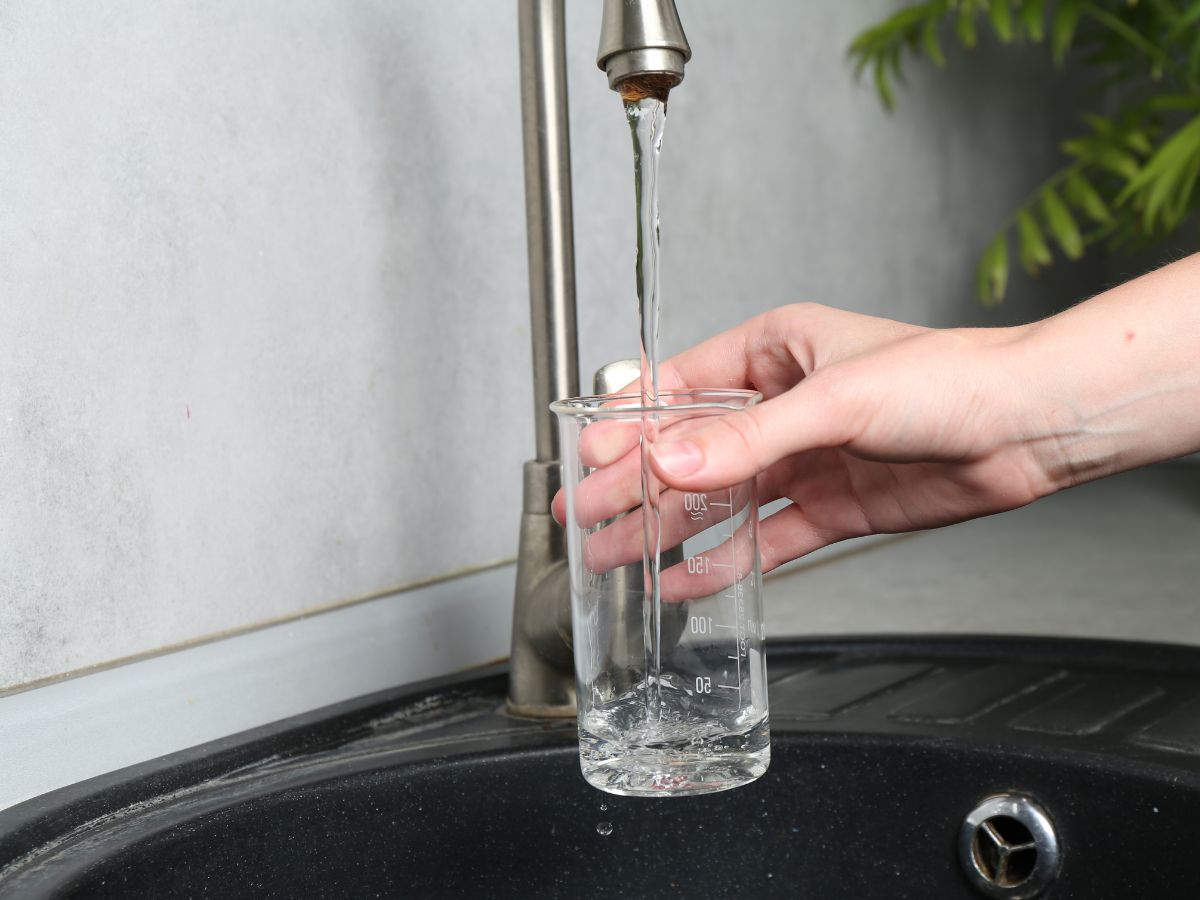
- Cloudy, discolored, or rust-colored water
- Fine sediment or particles visible in tap water
- Water that runs clear only after flushing for a minute or more
No History of Water Quality Testing
If your building has never had a formal water quality test performed by a certified lab, you have no baseline. Many NYC landlords assume the city’s water supply is their only concern — but the contamination risk inside older buildings lies in the building’s own pipes, not the city main.
Water Testing: The Only Way to Confirm Lead
Home Water Testing Kits
Available at hardware stores and online. Quick and low-cost, but home kits cannot detect low levels of lead that still exceed EPA safety thresholds, and they are not legally accepted for NYC compliance purposes.
Certified Laboratory Drinking Water Testing
This is the gold standard. A certified inspector collects samples using proper protocols and sends them to an accredited laboratory. Results are highly accurate, detect even trace levels of lead, and are legally defensible for compliance and HPD documentation. This is what CleanNYC provides.
Full Water Quality Testing
A comprehensive panel that tests for multiple contaminants beyond lead — including copper, chlorine, bacteria, and other heavy metals. Ideal for landlords conducting a full building safety audit or for buildings undergoing renovation where pipe disturbance may have occurred.
What to Do If Lead Pipes Are Found
Step 1: Confirm with Certified Professional Testing
Never rely on a home kit for a final answer. Always confirm with certified drinking water testing from a licensed inspector. This gives you a defensible, documented result you can use for HPD filings or tenant communication.
Step 2: Replace Lead Pipes
Replacing lead service lines and internal plumbing is the only permanent solution. Under the EPA’s Lead and Copper Rule Improvements (2024), water systems must begin replacing all lead service lines within 10 years starting in 2027.
Step 3: Install Certified Water Filters (Temporary Measure)
While pipe replacement is scheduled or underway, install NSF/ANSI 53 certified filters at point-of-use — typically the kitchen faucet. Standard pitcher filters do not remove lead. Look for filters certified specifically for lead reduction.
Step 4: Flush Your Pipes Before Use
Run cold water for 1 to 2 minutes each morning before using tap water for drinking or cooking. Use cold water only — hot water accelerates lead leaching from pipes and solder.
Step 5: Schedule Ongoing Water Quality Testing
Even after remediation, continue annual water quality testing in NYC to ensure levels remain safe. Testing after any plumbing work, renovation, or pipe disturbance is especially important.
Real NYC Case: Brooklyn Property Owner
A Brooklyn landlord managing a 1948 brownstone noticed recurring complaints from tenants about a metallic taste in tap water. An initial home kit screening flagged a potential concern, but results were inconclusive.
CleanNYC performed certified laboratory drinking water testing across multiple units. Results confirmed lead levels above EPA action thresholds in two units. The owner arranged for targeted pipe replacement and followed up with a full-building water quality test 30 days later — confirming safe levels across all units with documented compliance records on file.
Pro Tips for Safe Drinking Water in NYC
Always use cold water for drinking and cooking. Do not assume boiling water removes lead — it does not, and may concentrate it. Schedule a water test after any plumbing repairs or building renovations, and keep all testing records on file for at least 10 years for HPD compliance.
Professional Water Testing Services in NYC
If you suspect lead pipes in your building, working with a trusted certified provider is essential.
CleanNYC Lead and Mold Solutions
841 Knickerbocker Ave, Brooklyn, NY 11207
Phone: 2123816001
Their team provides fast inspections, accurate testing, and full compliance support.
Additional services include:
mold inspection NYC,
indoor air quality testing NYC, and
lead detection services NYC.
How to Prevent Future Lead Pipe Issues
Schedule Regular Water Testing
Annual testing helps identify problems before they escalate into violations or health issues.
Inspect Plumbing After Renovations
Construction activity can dislodge lead deposits — always test after any pipe disturbance.
Keep Records Updated
Maintain proper documentation for all water tests and plumbing repairs.
Stay Informed About Regulations
Understanding EPA and NYC local laws helps you stay ahead of compliance deadlines.
Final Thoughts
Lead pipes remain a serious and largely invisible risk in NYC’s older building stock. Early detection through proper water testing is always faster, cheaper, and safer than responding after the fact.
Start with a visual inspection, watch for the warning signs described above, and schedule certified water testing if anything raises concern. CleanNYC is here to walk you through every step — from first test to final clearance.