New York City renters are asking tougher questions in 2026, especially when it comes to hidden health risks inside older apartments. One of the biggest concerns continues to be lead-based paint exposure in pre-1960 buildings. Families with young children, expecting parents, and long-term tenants are becoming more aware of the dangers connected to peeling paint, contaminated dust, and neglected repairs.
That is why professional lead inspection services are no longer optional for many NYC property owners. Local regulations are stricter, tenant awareness is growing, and housing violations can quickly turn into legal and financial problems for landlords who ignore safety requirements.
If you live in an older building or suspect hidden hazards, understanding how a lead paint report works can protect your family and your rights.
Why Lead Paint Remains a Serious NYC Housing Problem
Many residential buildings across the five boroughs were constructed before lead paint was banned in 1978. Apartments built before 1960 are considered especially high risk because lead-based paint was widely used on walls, windows, doors, railings, and trim.
When paint begins to chip, crack, or deteriorate, lead particles can spread through household dust. Children are especially vulnerable because exposure can impact brain development, learning ability, attention span, and overall health.
In New York City, landlords are legally required to address lead hazards in apartments where children under six years old reside. According to the NYC HPD Lead-Based Paint page, Local Law 1 of 2004 mandates that property owners monitor and remediate peeling paint in units where young children live. However, not every property owner follows the law consistently. Some delay repairs, conceal damaged surfaces with fresh paint, or avoid proper testing altogether.
A professional lead paint report removes uncertainty by identifying whether hazardous lead levels are present and documenting the condition of painted surfaces throughout the property. To understand the full scope of testing options available, visit our Why Test page.
What a Lead Paint Report Actually Reveals
A detailed lead paint report provides much more than a simple yes-or-no answer. It creates a documented record of potential lead hazards inside the property.
A certified lead paint inspector typically evaluates:
- Walls, ceilings, and trim
- Doors and windows with friction surfaces
- Peeling or damaged paint areas
- Dust contamination levels
- Lead concentrations in painted surfaces
- Areas affected by moisture or deterioration
- Previous repair attempts that may hide hazards
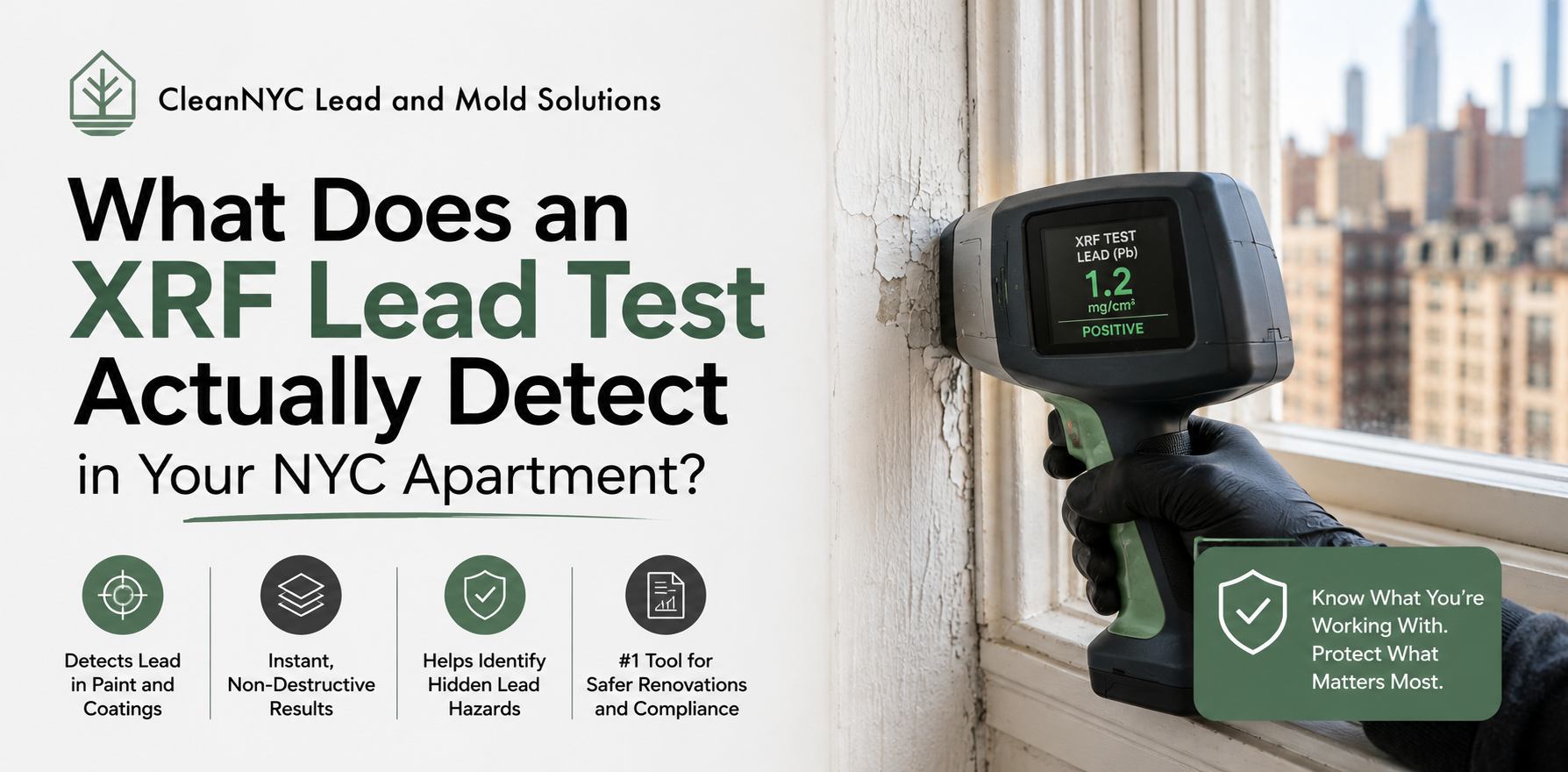
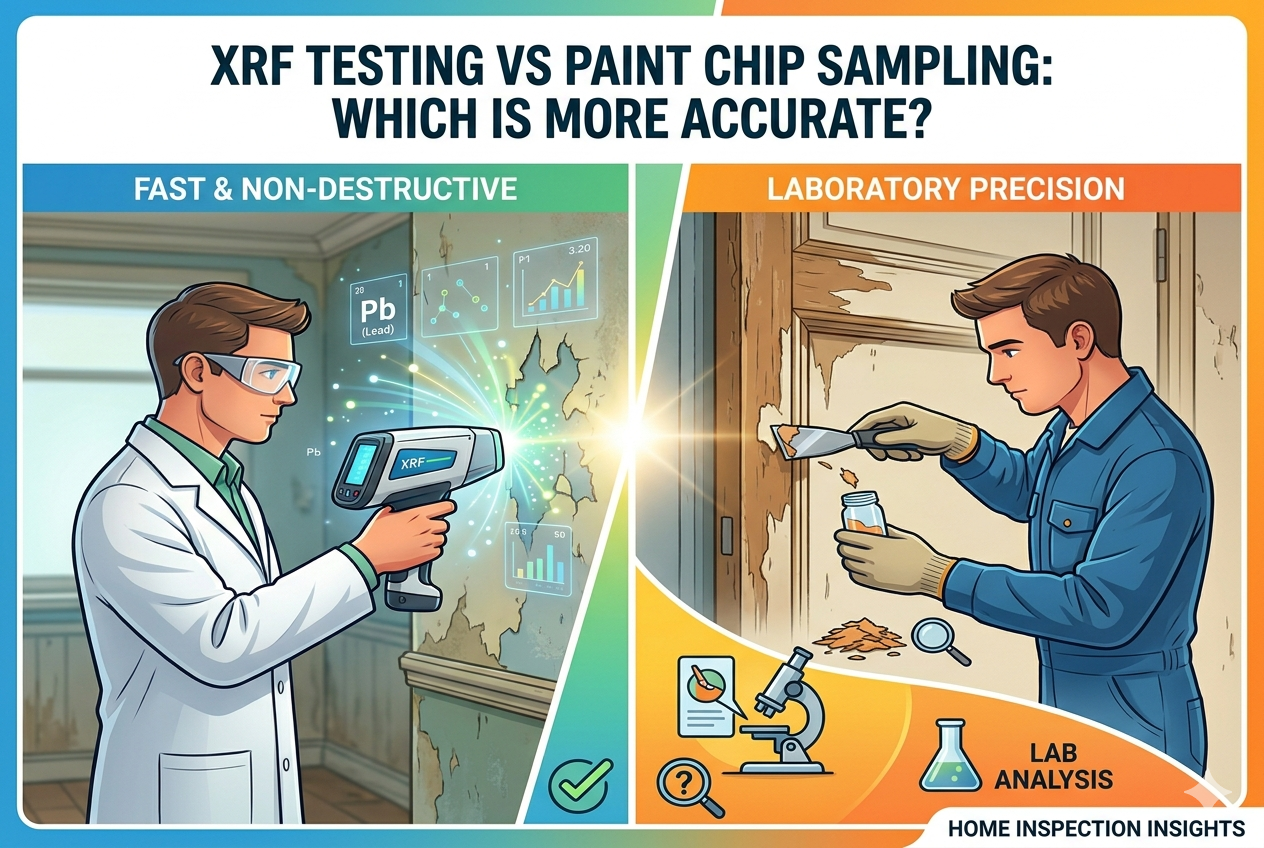
Modern lead paint testing methods often use XRF analyzers, laboratory dust sampling, and surface inspections to provide accurate findings.
These reports can expose issues landlords may prefer not to disclose, including:
- Improper renovations that disturbed lead paint
- Temporary cosmetic repairs hiding deeper problems
- Untreated lead hazards in common areas
- Recurring paint deterioration caused by water damage
- Failure to comply with NYC lead safety regulations
For tenants, this documentation can become critical evidence if disputes arise regarding unsafe living conditions.
How Lead Inspection Services Work in NYC
Professional lead inspection services follow a structured process designed to identify hidden risks without unnecessary damage to the property.
Initial Property Assessment
The inspection usually begins with a walkthrough of the apartment or building. The inspector identifies high-risk areas based on the building’s age, maintenance history, and visible paint conditions.
Advanced Lead Paint Testing
Modern lead paint testing equipment allows inspectors to detect lead beneath multiple paint layers. XRF technology is commonly used because it provides immediate readings without extensive wall damage. Per EPA lead-based paint laws and regulations, certified inspectors must follow strict protocols when conducting these evaluations.
Dust wipe samples may also be collected from floors, windowsills, and other surfaces where lead particles tend to accumulate. Our dust wipe clearance testing service follows certified laboratory procedures to ensure accurate readings.
Laboratory Analysis
If samples are taken, certified laboratories analyze the materials to determine lead concentration levels. Paint chip sampling may also be used alongside XRF testing to confirm the presence and concentration of lead in specific surfaces.
Final Lead Paint Report
The completed report documents findings, hazard locations, testing methods, and recommendations for corrective action.
A well-prepared report can help tenants understand their exposure risks while also helping property owners comply with NYC housing laws. Property owners who need to meet regulatory requirements can also review our HPD filing services for guidance on staying compliant.
Signs Your Landlord May Be Hiding Lead Paint Problems
Some landlords actively maintain safe housing conditions. Others attempt to avoid the cost of proper remediation.
Here are common warning signs tenants should never ignore:
Frequent Repainting Without Full Repairs
Fresh paint covering cracked or bubbling surfaces may indicate temporary cosmetic fixes rather than true hazard removal.
Repeated Paint Peeling Around Windows and Doors
Friction surfaces often release dangerous dust when layers of old paint grind together.
Renovation Work Without Safety Barriers
Improper renovations can spread contaminated dust throughout an apartment building. The EPA’s Lead Renovation, Repair and Painting Program requires firms performing such work in pre-1978 housing to be certified and use lead-safe work practices.
Delayed Responses to Maintenance Complaints
Landlords who ignore repeated repair requests may also be avoiding required lead safety compliance.
Lack of Documentation
If a landlord refuses to provide inspection records or denies prior lead concerns in an older building, professional lead inspection services can provide independent verification.
Why Hiring a Certified Lead Paint Inspector Matters
Not every contractor or handyman is qualified to evaluate lead hazards correctly.
A certified lead paint inspector has specialized training in:
- Federal and NYC lead regulations
- Safe inspection protocols
- Hazard identification methods
- Accurate testing procedures
- Documentation standards
- Environmental health compliance
Certified professionals understand how to identify hidden exposure risks that untrained individuals may overlook. The EPA’s Lead-Based Paint Disclosure Rule also requires sellers and landlords to provide known information about lead hazards — making independent professional inspections even more important for tenants seeking accurate information.
Hiring the right inspector also helps ensure the final report holds credibility if legal disputes, housing violations, or remediation requirements arise.
In NYC’s competitive housing environment, reliable documentation can protect both tenants and responsible property owners. Browse our past project case studies to see how verified inspections have helped property managers stay compliant across New York City.
The Legal Side of Lead Paint in NYC
New York City has expanded enforcement efforts related to lead hazards in residential properties.
Landlords of qualifying buildings are often required to:
- Investigate lead paint hazards annually
- Correct peeling paint safely
- Use certified contractors for remediation
- Provide records during inspections
- Address violations within required timelines
Failure to comply can result in:
- Housing violations
- Civil penalties
- Lawsuits
- Increased liability claims
- Tenant relocation expenses
A professional lead paint report creates accountability by documenting the actual condition of the property. Under Section 1018 of Title X, sellers and lessors are federally required to disclose known lead-based paint hazards before any sale or lease of most housing built before 1978.
For tenants, this information can support requests for repairs or legal protection if unsafe conditions continue.
How Lead Paint Testing Protects Families
Lead exposure is often called a silent hazard because symptoms may not appear immediately.
Children exposed to lead can experience:
- Developmental delays
- Behavioral changes
- Learning difficulties
- Hearing problems
- Reduced attention span
- Long-term neurological effects
Adults may also face health complications linked to prolonged exposure.
Accurate lead paint testing helps families make informed decisions about their living environment before health problems become more serious. The HUD Office of Lead Hazard Control and Healthy Homes provides additional resources for families navigating lead safety in federally assisted housing. Our certified team at CleanNYC Lead and Mold Solutions is experienced in identifying hazards and providing thorough documentation to support your family’s safety.
In many cases, early detection prevents larger contamination issues and reduces future remediation costs.
What Tenants Should Do Before Signing a Lease
Renters searching for apartments in NYC should be proactive when evaluating older properties.
Before signing a lease, consider asking:
- Was the apartment built before 1978?
- Has the property undergone lead paint testing?
- Are there records of prior lead inspections?
- Have children previously lived in the unit?
- Were renovations completed using lead-safe practices?
If answers seem vague or inconsistent, independent lead inspection services may provide peace of mind before moving in. Landlords are required under the EPA’s lead-based paint laws to disclose known hazards — but independent verification through a certified inspector remains the most reliable protection for renters.
The Growing Demand for Professional Lead Inspection Services in 2026
The housing industry is changing rapidly as health-focused property standards become more important.
Tenants are more informed than ever before, and digital housing platforms now make it easier to research building violations, inspection records, and landlord histories.
As a result, professional lead inspection services are becoming a standard part of responsible property management in NYC.
Buildings with documented safety compliance often attract better tenants, reduce legal risk, and maintain stronger long-term property value.
At the same time, tenants increasingly view independent inspections as an essential safeguard against hidden environmental hazards.
Final Thoughts
A lead paint report can reveal far more than visible paint damage. It can uncover hidden safety risks, document landlord negligence, and protect families from long-term exposure.
In New York City’s aging housing market, lead paint remains a serious concern that cannot be ignored or covered up with temporary cosmetic repairs.
Whether you are a tenant, parent, property manager, or buyer, professional lead inspection services provide the clarity needed to make informed decisions.
Working with a certified lead paint inspector ensures accurate lead paint testing, reliable documentation, and greater confidence in the safety of your living environment.
When it comes to protecting your health and your rights, verified information matters.