Lead safety remains a top legal and health priority in New York City, especially for older residential properties. With updated enforcement, stricter inspections, and growing awareness, many landlords, homeowners, and tenants are asking the same question: Is a home lead test NYC required in 2026?
The short answer is yes—under specific conditions. NYC lead laws continue to require testing, inspections, and safe remediation in many residential situations. Understanding when home lead testing NYC and apartment lead testing NYC are mandatory can help you avoid violations, protect your family, and stay compliant.
In this comprehensive guide, we explain the legal requirements, who is responsible, when testing is required, and how CleanNYC Lead and Mold Solutions helps property owners meet NYC regulations.
Why Lead Testing Still Matters in 2026
New York City has one of the oldest housing stocks in the country. Many buildings were constructed before 1960, when lead-based paint was commonly used. Even in 2026, deteriorating paint and lead dust remain serious health hazards.
Lead exposure can cause:
- Developmental delays in children
- Learning and behavioral problems
- Nervous system damage
- Kidney and cardiovascular issues in adults
Because of these risks, NYC lead laws require proactive inspections and testing, not just reactive repairs.
Is Home Lead Test NYC Required by Law?
A home lead test NYC is required under specific conditions, particularly in residential buildings built before 1960 and in some buildings constructed between 1960 and 1978 where lead paint is known to exist.
Lead testing becomes mandatory when:
- A child under six lives in the apartment
- Lead paint is peeling or deteriorating
- Renovations disturb painted surfaces
- A tenant moves out of a pre-1960 unit
- HPD issues a lead violation
- Lead hazard repairs are completed and clearance testing is needed
This means testing is not always a one-time requirement—it is an ongoing legal responsibility.
Understanding NYC Lead Laws in 2026
Local Law 1 of 2004
Local Law 1 remains the primary regulation governing lead paint safety in NYC. In 2026, enforcement is stricter, and documentation requirements are more closely reviewed.
Landlords must:
- Send annual notices to tenants asking if a child under six lives in the unit
- Conduct yearly visual inspections
- Repair deteriorated paint using safe work practices
- Perform apartment lead testing NYC after repairs
- Maintain records for at least 10 years
Failure to comply can result in HPD violations, civil penalties, and legal liability.
Who Needs Home Lead Testing NYC?
Landlords
Landlords are legally responsible for ensuring rental units are free from lead hazards. They must schedule apartment lead testing NYC when:
- A young child resides in the unit
- Paint is damaged or peeling
- The apartment becomes vacant
- Lead hazard work has been completed
Ignoring these requirements can lead to fines and lawsuits.
Homeowners
While homeowners are not subject to the same legal requirements as landlords, home lead testing NYC is strongly recommended if:
- The home was built before 1978
- Young children live in the property
- Renovations are planned
- Peeling paint is present
Testing protects your family and prevents exposure during remodeling.
Tenants
Tenants have the right to:
- Receive annual lead notices
- Request inspections if hazards are suspected
- Live in a lead-safe environment
If a landlord fails to act, tenants can file complaints with HPD.
When Is Apartment Lead Testing NYC Required?
Apartment lead testing is required in several key situations:
- After repairing peeling paint in a unit with a child under six
- During apartment turnover in pre-1960 buildings
- When HPD issues a lead-based paint violation
- After lead paint removal or remediation work
- Before major renovations that disturb painted surfaces
Testing must be performed by certified professionals, and clearance results must show the apartment is safe for occupancy.
What Happens During Home Lead Testing NYC?
Professional testing includes multiple steps:
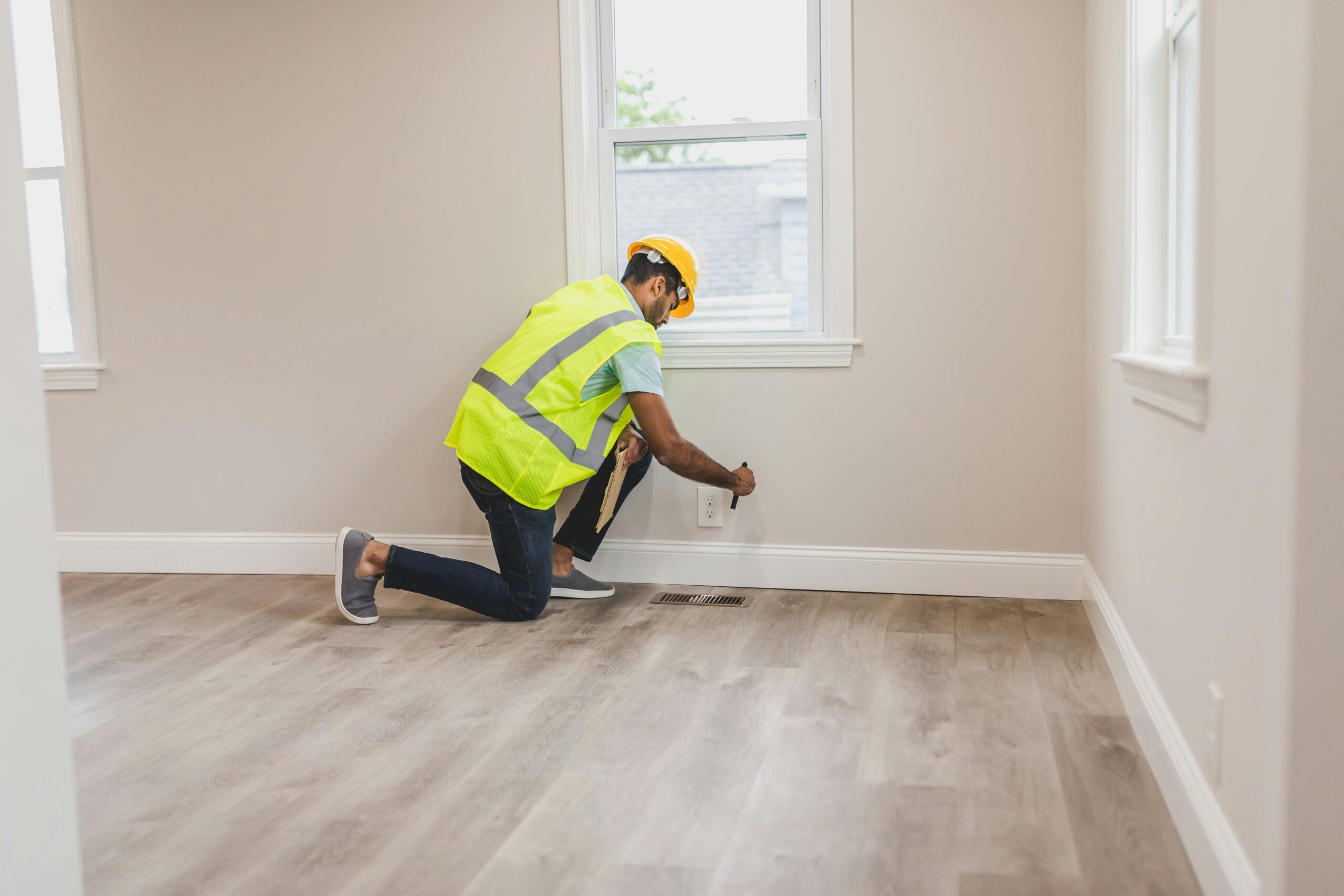
Visual Inspection
Inspectors identify deteriorated paint, friction surfaces, and high-risk areas such as window frames and doors.
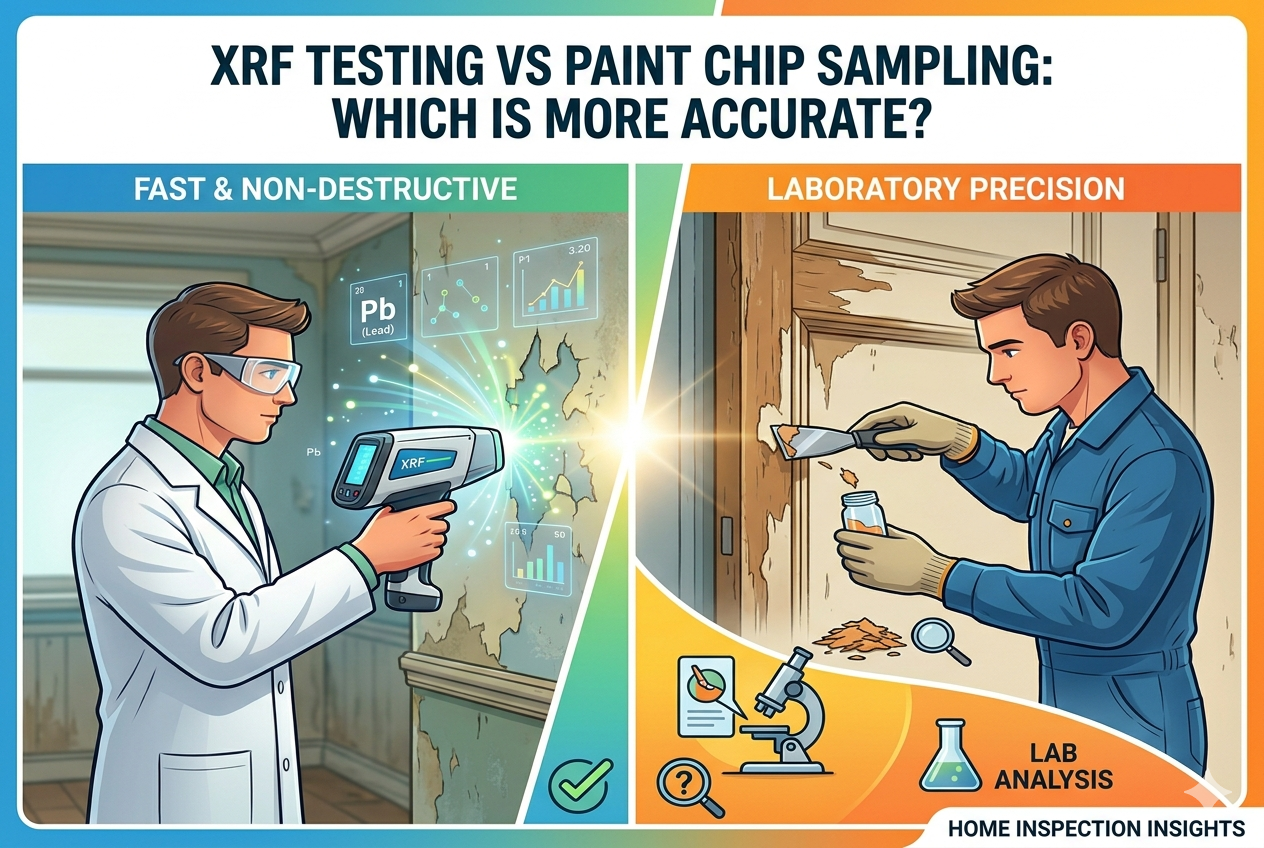
XRF Lead Testing
X-ray fluorescence devices detect lead without damaging painted surfaces.
Dust Wipe Sampling
Samples from floors and window sills measure lead dust levels.
Laboratory Analysis
Certified labs confirm whether lead levels exceed legal limits.
Clearance Testing
After repairs or lead paint removal NYC, clearance testing ensures the unit is safe.
Lead Paint Removal NYC and Compliance
If testing identifies lead hazards, safe remediation is required. Professional lead paint removal NYC includes:
- Containment of work areas
- Wet methods to control dust
- HEPA vacuum cleanup
- Proper disposal of contaminated materials
- Final clearance testing
DIY removal is dangerous and often illegal in rental properties. Certified contractors must perform the work to meet NYC lead laws.
Documentation Requirements in 2026
NYC now places greater emphasis on documentation. Landlords must keep:
- Annual tenant notices
- Inspection reports
- Work orders and repair records
- Lead testing and clearance results
These records must be available for HPD audits and tenant requests.
Penalties for Non-Compliance
Failure to perform required home lead testing NYC and apartment lead testing NYC can result in:
- HPD violations
- Daily fines until hazards are corrected
- Tenant lawsuits
- Increased liability in lead poisoning cases
- Delays in property sales or refinancing
Compliance is not optional—it is a legal obligation.
Benefits of Professional Lead Testing Services
Hiring certified professionals provides:
- Accurate and legally valid results
- Compliance with NYC regulations
- Proper documentation for protection
- Safer renovation planning
- Faster clearance approvals
Working with an experienced company ensures you meet all legal and safety requirements.
Why Choose CleanNYC Lead and Mold Solutions
CleanNYC Lead and Mold Solutions offers certified home lead testing NYC and apartment lead testing NYC for landlords, homeowners, and property managers.
Services include:
- Comprehensive lead inspections
- Dust wipe and XRF testing
- Clearance testing
- Safe lead paint removal NYC
- Guidance on NYC lead laws compliance
Business Information:
CleanNYC Lead and Mold Solutions
841 Knickerbocker Ave, Brooklyn, NY 11207
Mobile: 212-381-6001
Their team helps you avoid violations, protect tenants, and maintain a lead-safe property.
How Often Is Lead Testing Required?
Lead testing is required:
- After lead hazard repairs
- During apartment turnover in pre-1960 buildings
- When a child under six lives in the unit and hazards are found
- When HPD issues violations
Annual visual inspections are also required in units with young children.
FAQ: Home Lead Test NYC in 2026
Conclusion
In 2026, home lead test NYC requirements remain a critical part of property safety and legal compliance. NYC continues to enforce strict NYC lead laws, especially in older rental buildings and apartments with young children.
From annual inspections to apartment lead testing NYC and safe lead paint removal NYC, property owners must take proactive steps to protect tenants and avoid penalties. Partnering with a certified company like CleanNYC Lead and Mold Solutions ensures your property meets all legal standards while providing a safe living environment. To schedule testing or learn more about compliance, contact CleanNYC Lead and Mold Solutions at 212-381-6001 or visit 841 Knickerbocker Ave, Brooklyn, NY 11207.