Understanding how XRF lead paint testing NYC works is essential for landlords, property managers, homeowners, and tenants dealing with older buildings. With strict lead safety regulations and increasing enforcement, knowing the exact inspection process helps you stay compliant, avoid violations, and protect occupants.
This step-by-step guide explains the XRF testing process, what inspectors look for, how results are documented, and why certified testing is required for legal compliance.
What Is XRF Lead Paint Testing?
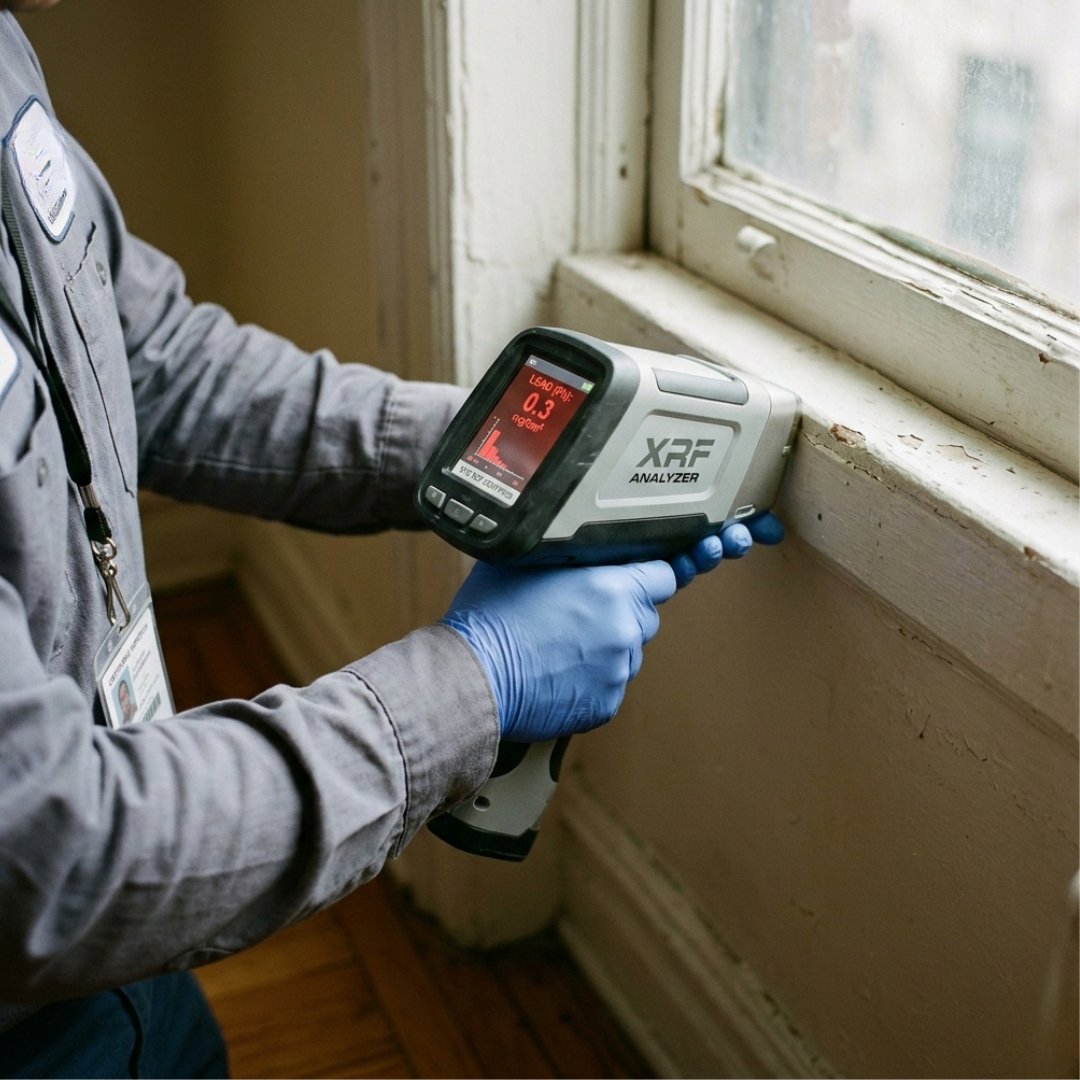
XRF stands for X-ray fluorescence, a non-destructive technology used to detect lead-based paint beneath multiple layers without damaging surfaces.
A handheld analyzer emits low-level X-rays that interact with the painted surface. If lead is present, the device measures the concentration and displays an instant reading.
This makes certified XRF testing NYC the most accurate and efficient method for identifying lead paint in:
- Walls
- Doors and frames
- Window sills
- Baseboards
- Radiators
- Trim and moldings
Why XRF Testing Is Required in NYC
Lead hazards remain a major concern in pre-1978 buildings. Regulations require property owners to identify and address lead-based paint, especially in units with children under six.
Professional XRF inspection NYC is commonly used for:
- Full lead paint inspections
- Risk assessments
- Violation clearance planning
- Renovation planning
- Compliance documentation
Without proper testing, owners risk fines, legal claims, and delays in leasing or selling.
Step-by-Step Process of XRF Lead Paint Testing NYC
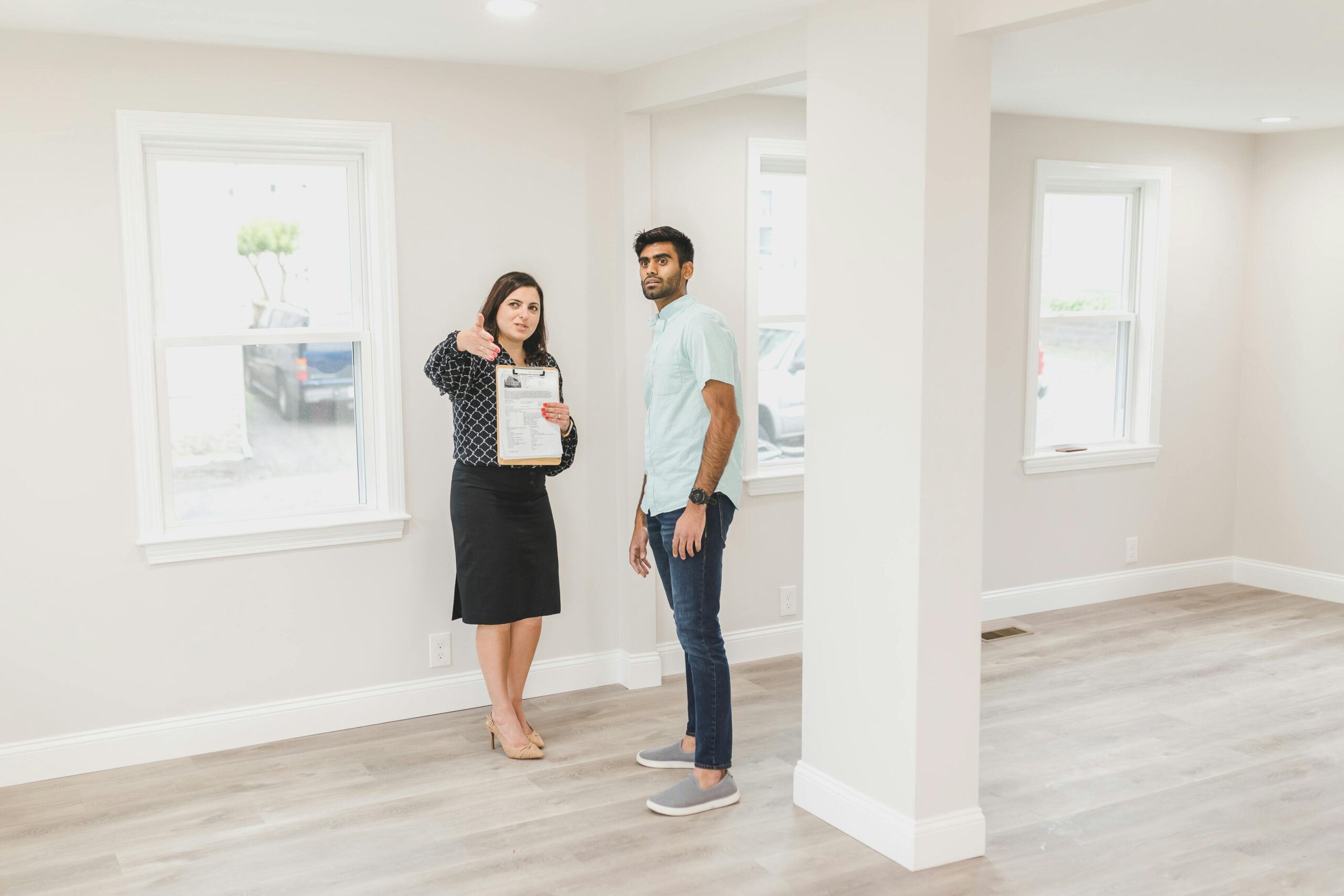
Step 1: Initial Property Assessment
The inspection begins with a visual survey of the property. The inspector identifies:
- Painted surfaces
- Friction areas (windows, doors)
- Impact surfaces
- Deteriorated paint
This step determines where XRF readings will be taken.
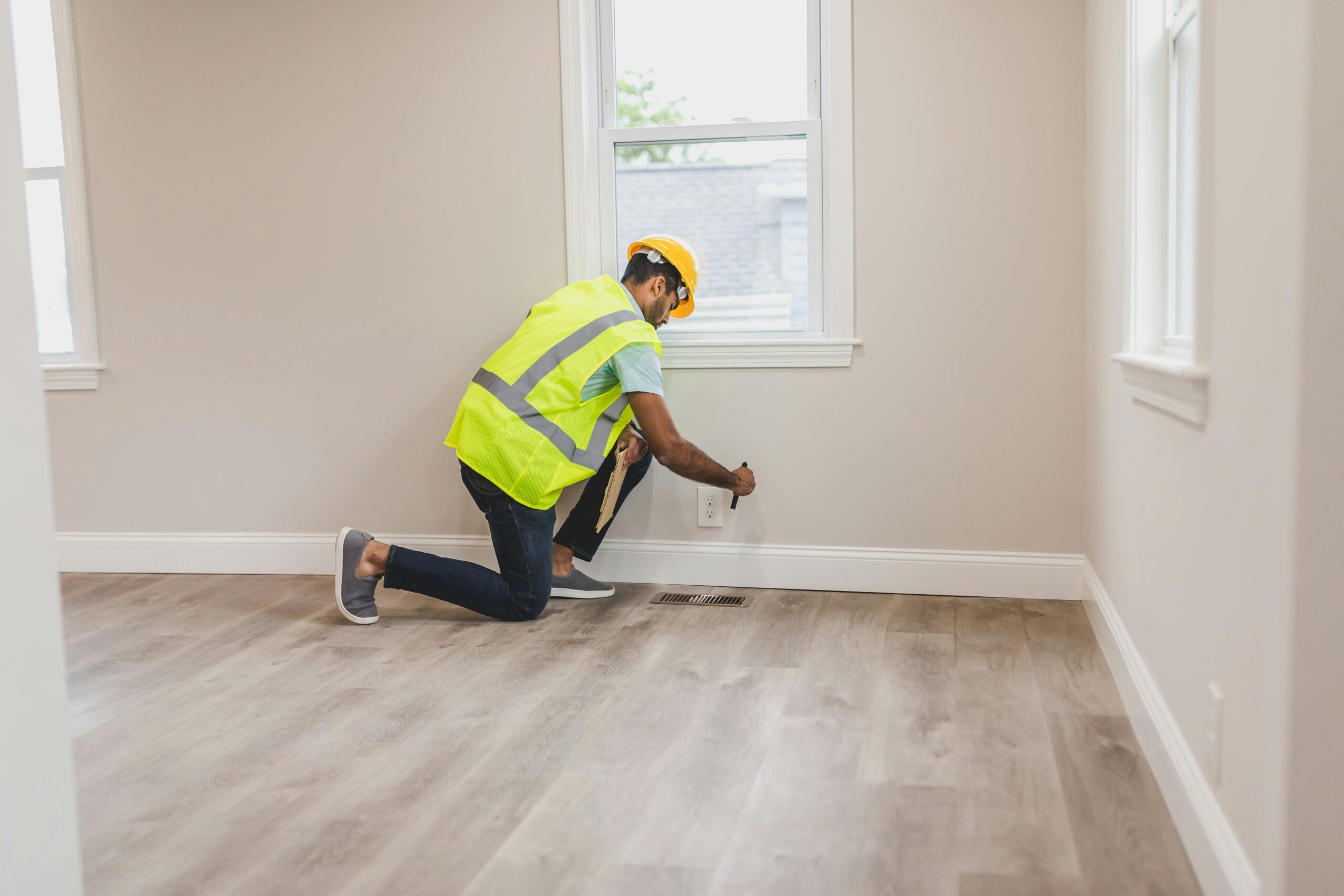
Step 2: Surface-by-Surface Testing
The inspector systematically tests each painted component using the XRF device.
Each reading takes a few seconds and measures:
- Lead concentration
- Presence of lead-based paint
- Substrate type
Multiple readings are taken throughout the unit to ensure complete coverage.
Step 3: Testing High-Risk Areas
Certain areas are always prioritized because they generate lead dust:
- Window sashes and troughs
- Door edges and frames
- Baseboards
- Stair railings
Residential XRF testing NYC focuses heavily on these friction surfaces because they pose the highest exposure risk.
Step 4: Recording and Mapping Results
Each tested component is logged with:
- Location
- Surface type
- Lead reading
- Condition (intact or deteriorated)
The inspector creates a detailed map showing where lead-based paint is present.
This documentation is critical for compliance and remediation planning.
Step 5: Data Analysis and Report Preparation
After testing is complete, the inspector compiles a report that includes:
- All tested components
- Lead-positive surfaces
- Lead-negative surfaces
- Condition of paint
- Recommendations for next steps
A certified professional XRF inspection NYC report is legally valid and accepted by housing authorities.
How Long Does XRF Testing Take?
The duration depends on:
- Property size
- Number of rooms
- Number of painted components
Typical timelines:
- Studio or one-bedroom: 1–2 hours
- Multi-room apartment: 2–4 hours
- Multi-unit building: several hours to a full day
Because the process is non-destructive, occupants can remain in the unit during testing.
What Happens After XRF Testing?
If no lead-based paint is found, the report serves as documentation of compliance.
If lead is present, the report helps:
- Plan safe remediation
- Determine which surfaces require treatment
- Schedule dust wipe clearance after repairs
This step ensures hazards are properly addressed and documented.
XRF Testing vs Other Lead Testing Methods
XRF Inspection
- Identifies lead paint
- Non-destructive
- Instant results
- Used for full inspections
Paint Chip Sampling
- Requires removing paint samples
- Laboratory analysis
- More invasive
Dust Wipe Testing
- Measures lead dust levels
- Used after repairs
For most compliance scenarios, XRF lead paint testing NYC is the preferred first step.
Who Needs Certified XRF Testing?
Landlords
Required to identify lead-based paint and maintain safe units.
Homeowners
Recommended before renovations or when children live in the home.
Property Managers
Needed for building-wide compliance documentation.
Buyers and Sellers
Used during due diligence to avoid future liability.
Common Mistakes to Avoid
Property owners often:
- Assume intact paint is safe
- Skip testing before renovations
- Use uncertified inspectors
- Fail to document results
These mistakes can lead to violations and costly remediation errors.
Scheduling certified XRF testing NYC early prevents these risks.
Benefits of Professional XRF Inspection NYC
A certified inspection provides:
- Accurate detection of hidden lead paint
- Full property coverage
- Legal documentation
- Guidance for remediation
- Faster compliance clearance
This makes professional testing a critical investment for older properties.
Why DIY Lead Test Kits Cannot Replace XRF
DIY kits:
- Only test surface paint
- Miss hidden layers
- Cannot map all components
- Are not legally valid
Only professional XRF inspection NYC meets regulatory and compliance requirements.
How CleanNYC Lead and Mold Solutions Performs XRF Testing
CleanNYC Lead and Mold Solutions offers:
- Certified XRF lead paint testing NYC
- Residential XRF testing NYC
- Professional XRF inspection NYC
- Compliance documentation and guidance
Services include:
- Detailed surface-by-surface testing
- Accurate digital reporting
- Fast scheduling
- Support for landlords, tenants, and property managers
Address: 841 Knickerbocker Ave, Brooklyn, NY 11207
Phone: 212-381-6001
Certified inspectors ensure your property meets safety standards and avoids violations.
Final Thoughts
Understanding how XRF lead paint testing NYC works helps you stay proactive, compliant, and informed. The process is fast, non-destructive, and legally accepted, making it the most reliable method for identifying lead-based paint in older buildings.
Whether you manage rental units, own a home, or plan renovations, scheduling certified XRF testing is the safest way to protect occupants and your investment.
FAQ: XRF Lead Paint Testing NYC