Introduction
Lead exposure remains a significant public health concern, particularly in older buildings where lead-based paint was once commonly used. In New York City, regulations such as Local Law 31 mandate stringent lead testing requirements to ensure the safety of residents. One of the most effective methods for detecting lead in paint is through X-Ray Fluorescence (XRF) testing. This article explores the importance of certified XRF lead testing in NYC, the specifics of Local Law 31, and how CleanNYC Lead and Mold Solutions can help property owners comply with local regulations.
When Is XRF Lead Paint Testing Required?
Local Law 31 Requirements
Local Law 31, enacted in 2020, mandates XRF lead testing for all pre-1978 residential buildings in New York City. The law applies to buildings constructed before 1960 or between 1960 and 1978 if the property owner knows lead-based paint is present. XRF testing must be performed by an EPA-certified lead inspector or risk assessor. All tenant-occupied units and common areas must undergo testing by August 2025.
Deadlines and Penalties for Non-Compliance
Property owners who fail to comply with Local Law 31 risk incurring a Class “C” hazardous violation, with fines ranging from $1,000 to $5,000 per infraction. The law also requires owners to maintain lead testing records for ten years. If a child under the age of six moves into a dwelling unit, it must be tested within one year.
Conditions Requiring Immediate Testing
Beyond standard compliance deadlines, XRF lead paint testing is required immediately if certain conditions are met. This includes situations where a child under six years old resides in the unit or if the property owner seeks an HPD lead exemption.
EPA-Certified XRF Lead Testing in NYC
What is an EPA-Certified Lead Inspection?
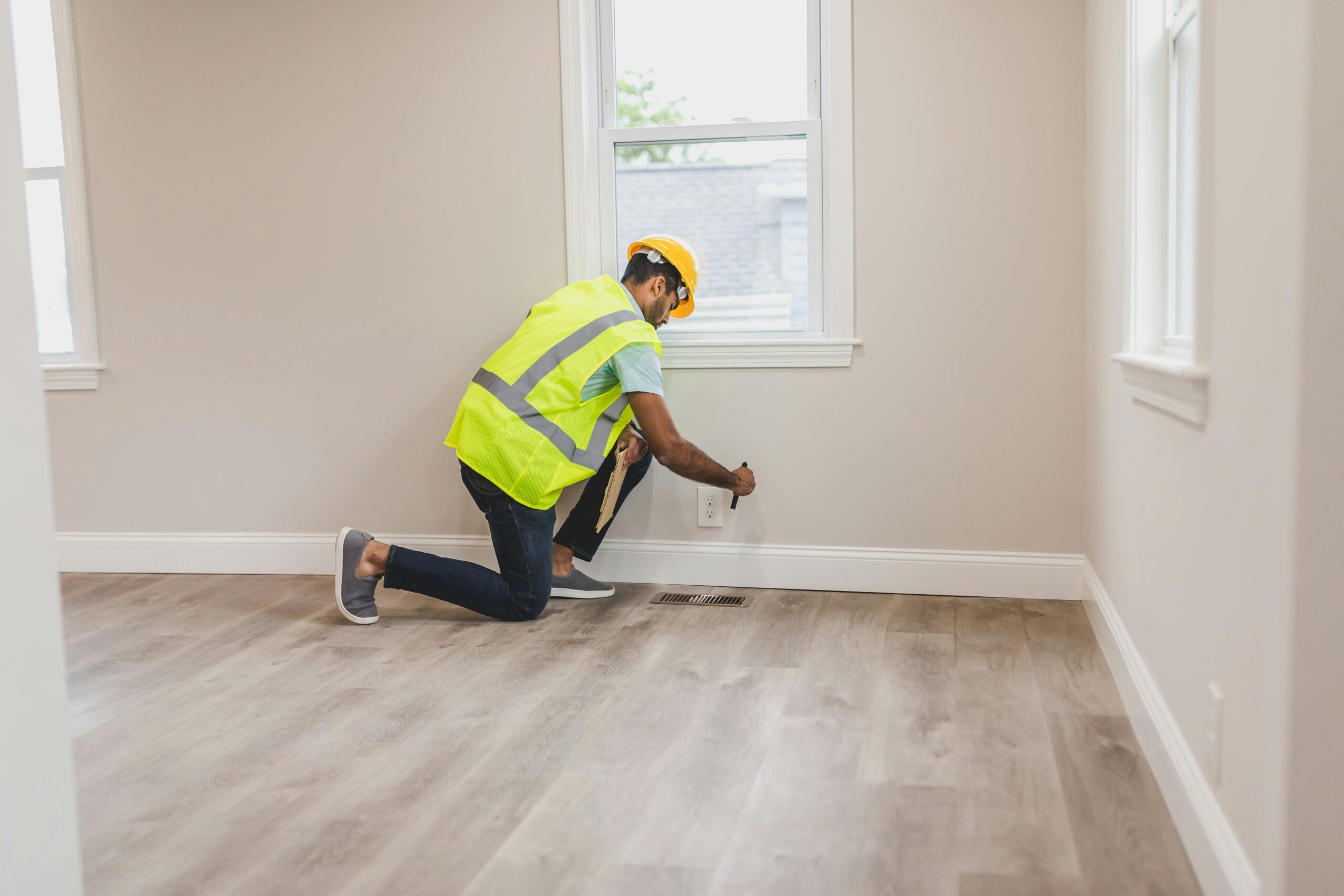
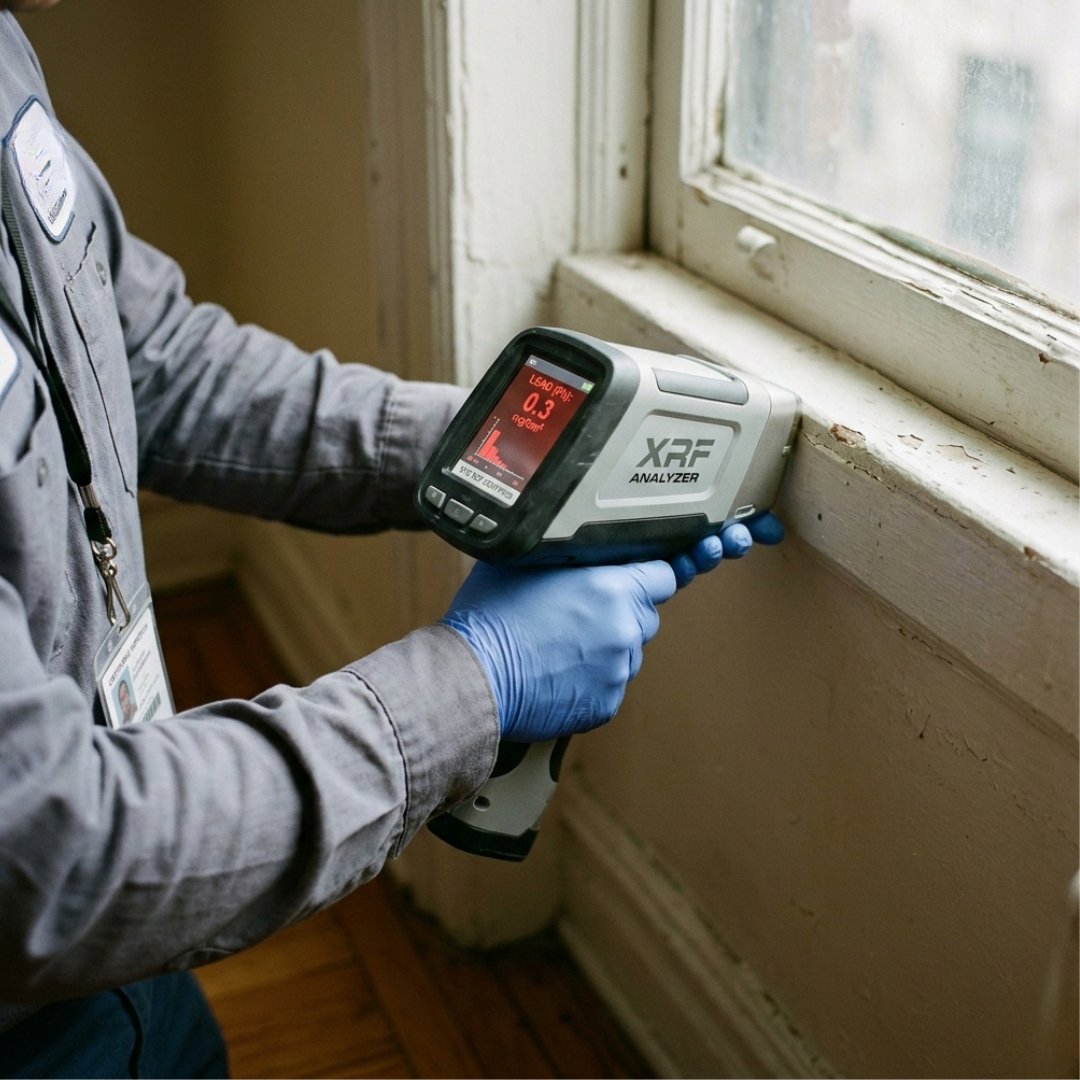
An EPA-certified lead inspection involves using approved methods and equipment to detect lead-based paint in residential properties. Inspectors use handheld XRF analyzers to perform non-invasive testing.
The Role of CleanNYC Lead and Mold Solutions
CleanNYC Lead and Mold Solutions is an EPA-certified lead inspection firm with over 25 years of experience. Our team provides reliable and efficient XRF lead testing services to help property owners comply with Local Law 31.
How X-Ray Fluorescence (XRF) Works
Principles of XRF Technology
X-Ray Fluorescence (XRF) is a non-destructive analytical method used to determine the elemental composition of materials. It detects and quantifies lead by analyzing emitted energy signatures.
Advantages of XRF Over Other Methods
XRF lead testing is faster, safer, and non-invasive compared to traditional paint chip sampling methods.
The XRF Lead Testing Process
Steps in Conducting XRF Lead Testing
The inspector uses an XRF analyzer to test various surfaces such as walls, doors, and windows. If readings exceed 0.5 mg/cm², the surface is classified as containing lead-based paint.
Understanding the Test Results
A detailed report is provided with all readings and recommendations for remediation if needed.
Random Statistical Sampling for Multi-Family Housing
HUD Guidelines for Random Sampling
HUD allows random sampling for large buildings to reduce inspection costs while maintaining accuracy.
Benefits and Drawbacks of Random Sampling
This method saves time but may require additional testing if lead is detected.
Certified XRF Lead Inspections by CleanNYC
About CleanNYC Lead and Mold Solutions
CleanNYC is a trusted provider with over two decades of experience in lead inspection services.
Contact Information and How to Schedule an Inspection
Call 2123816001 or visit the website to schedule an inspection.
Importance of Compliance with Local Law 31
Health Implications of Lead Exposure
Lead exposure can cause serious health issues, especially in children.
Legal and Financial Repercussions for Property Owners
Non-compliance can result in fines, lawsuits, and increased costs.
Case Studies and Examples
Successful Compliance by NYC Property Owners
Many property owners have achieved compliance through timely inspections.
Common Challenges Faced During Inspections
Challenges include scheduling, interpreting results, and handling inconclusive findings.
Future of Lead Testing Regulations in NYC
Potential Changes to Local Law 31
Future updates may expand testing requirements.
Technological Advances in Lead Detection
New technologies will improve accuracy and efficiency.
Practical Tips for Property Owners
Preparing for an XRF Lead Inspection
Prepare by reviewing building history and scheduling inspections early.
Maintaining Compliance Records
Keep detailed records to avoid penalties.
Conclusion
Certified XRF lead testing is essential for compliance and safety in NYC properties.
FAQs
What is XRF Lead Testing?
XRF lead testing uses x-ray technology to detect lead without damaging surfaces.
How Much Does XRF Lead Testing Cost?
Costs vary depending on property size. Contact providers for quotes.
How Often Should XRF Lead Testing Be Conducted?
Testing should be done as per Local Law 31 or when occupancy changes.